
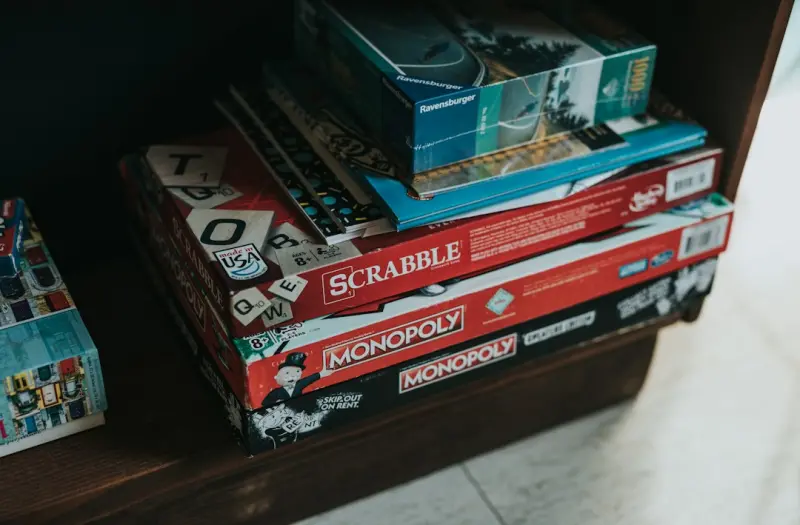
When the inbox never sleeps and the to‑do list feels like a treadmill, I often find myself yearning for the simple joy of a game night with friends. Not the competitive, high‑stakes version that fuels ego, but the gentle, curiosity‑driven play that once filled my childhood living room. That nostalgic feeling isn’t just a sentimental throwback; it’s a powerful mental‑health tool that many of us overlook in the hustle of adult life.
The Science Behind Play and the Adult Brain
Play isn’t a frivolous pastime—it’s a biological imperative. Neuroscientists have shown that playful activities light up the brain’s reward circuitry, releasing dopamine, serotonin, and endorphins. These neurochemicals act as natural antidotes to stress, anxiety, and the chronic cortisol spikes that modern work culture often induces.
Beyond the feel‑good buzz, play also drives neuroplasticity, the brain’s ability to rewire itself. When we engage in novel, rule‑based games—whether it’s a strategy board game, a jigsaw puzzle, or an improvisational storytelling session—we force our neurons to form new connections. This process improves cognitive flexibility, a key factor in emotional regulation and problem‑solving under pressure.
In my own routine, I’ve noticed that a 30‑minute session of strategic card play after a demanding meeting can reset my mental state, making the next task feel less daunting. It’s not magic; it’s a deliberate, evidence‑based habit that leverages the brain’s inherent love for novelty and mastery.
Choosing the Right Kind of Play for Mental Resilience
Not all games are created equal. The most beneficial forms of play share three core characteristics:
- Low stakes, high curiosity. The goal is exploration, not victory.
- Rule‑based structure. Clear boundaries help the brain focus and reduce decision fatigue.
- Social or reflective component. Interaction with others or personal reflection deepens the emotional impact.
Here are a few categories that fit the bill:
- Co‑operative board games like Pandemic or Hanabi, where players work together toward a shared objective.
- Puzzle‑centric activities such as jigsaws, Rubik’s cubes, or mobile brain‑training apps that challenge pattern recognition.
- Story‑building games like Rory’s Story Cubes or improv prompts that encourage spontaneous narrative creation.
- Physical play like light tabletop sports or even adult coloring books that blend tactile engagement with mindfulness.
Each of these options can be tailored to fit a busy schedule. The key is consistency: a brief, regular play ritual can compound benefits over weeks and months.
Designing a Playful Ritual for Everyday Resilience
Below is a step‑by‑step guide to embed play into your daily rhythm without sacrificing productivity:
- Identify a “Play Window.”strong> Choose a consistent 15‑ to 30‑minute slot—perhaps right after lunch or before your evening wind‑down. The predictability trains your brain to anticipate a mental break.
- Select a game that aligns with your energy level. For high‑energy moments, try a quick card game; for calmer periods, reach for a puzzle.
- Set a micro‑goal. Instead of “win the game,” aim for “complete two puzzle sections” or “create a three‑sentence story.” This keeps the focus on process, not outcome.
- Invite a partner or go solo. Social play amplifies dopamine spikes, but solitary play can foster introspection. Alternate based on your mood.
- Reflect briefly. After the session, jot down a single sentence about how you felt. This mirrors the habit of micro‑journaling and reinforces the emotional shift.
By treating play as a ritual rather than an optional leisure activity, you give it the same weight as a workout or a meditation session. Over time, you’ll notice a smoother emotional baseline, sharper focus, and a resilient mindset that bounces back from setbacks with greater ease.
Integrating Play with Digital Well‑Being
In an era where screens dominate, it’s essential to safeguard the mental space that play requires. Tiny digital boundaries—like turning off notifications during your play window—can dramatically improve the quality of the experience. I’ve found that even a simple “do not disturb” mode, as highlighted in quiet revolutions, creates a sanctuary for focus and joy.
Moreover, technology can be an ally. AI‑driven platforms that recommend personalized puzzles based on your cognitive profile act like a supportive teammate. As explored in When AI Becomes Your Brain’s Second Pair of Hands, these tools can adapt difficulty in real time, keeping the challenge optimal and the reward consistent.
Overcoming Common Barriers to Play
Many professionals balk at the idea of “playing” because they fear it’s unproductive. Here’s how to reframe that mindset:
- Time scarcity. Remember that the quality of a short play session often outweighs the quantity of a longer, unfocused break.
- Guilt. Treat play as a mental health appointment—non‑negotiable and scheduled.
- Lack of resources. You don’t need an expensive board game collection. A deck of cards, a set of dice, or a simple puzzle can suffice.
By acknowledging these obstacles and proactively addressing them, you transform play from a “nice‑to‑have” into a “must‑have” component of your mental‑health toolkit.
Measuring the Impact of Play on Your Mental Health
Tracking progress doesn’t have to be elaborate. Here’s a simple framework:
- Baseline mood rating. On a scale of 1–10, note how you feel before starting your day.
- Post‑play mood rating. Record the same metric after your play session.
- Weekly reflection. Summarize any trends you notice—e.g., “I’m calmer during meetings after Thursday’s puzzle hour.”
Over a month, you’ll likely see a gradual rise in baseline mood scores and a reduction in stress spikes. This data-driven validation reinforces the habit and provides tangible evidence to share with teammates or wellness coaches.
Bringing Play Into the Workplace
If you’re a leader, consider institutionalizing short, playful interludes during team meetings. A five‑minute improv exercise or a quick trivia round can reset group dynamics, improve creativity, and strengthen social bonds. When employees experience these micro‑breaks, the collective mental‑health climate improves, leading to higher engagement and lower burnout rates.
Remember, the goal isn’t to replace serious work with endless games but to weave moments of playful curiosity into the fabric of daily life. As the brain learns to toggle between focused effort and relaxed play, it becomes more adaptable—a cornerstone of long‑term mental resilience.
Conclusion: Embrace the Inner Child, Sustain the Adult Mind
Play is not a regression; it’s a progressive strategy for mental health. By deliberately incorporating playful rituals—whether through board games, puzzles, or creative storytelling—you nurture neuroplasticity, lower stress hormones, and cultivate a resilient mindset capable of navigating today’s relentless demands. So the next time you hear a coworker say, “We’re too busy to play,” respond with a smile and a reminder: the brain thrives on novelty, and a little game can be the most sophisticated mental‑health tool in your arsenal.

Mei Chen is a dynamic professional who brings a unique blend of skills to Blogging Fusion. As a key contributor to the Blogging Fusion platform, she leverages her writing expertise to create engaging content that resonates with our audience.
Related Posts

Storytelling for the Soul: How Narrative Turns Stress Into Strength
Explore practical storytelling habits that rewire your brain, reduce anxiety, and foster emotional a... Read More
Gamified Mental Fitness: Turning Cognitive Care into Daily Play
Treat mental health like a workout: use gamified, bite‑size challenges to strengthen focus, emotio... Read More

Why Laughter Really Is the Best Medicine for Modern Minds
A deep dive into the science behind laughter’s mental‑health benefits, practical ways to make hu... Read More
Top Posts
From Cubicles to Skill Markets: Rethinking Career Growth in the Remote Era
A deep dive into the shift from hierarchical ladders to a fluid, skill‑first talent marketplace, highlighting AI tools, personal branding, and practical steps...Read More
Unlocking the AI Knowledge Graph: Your Personal Brain Extension
Explore the rise of AI knowledge graphs that transform fragmented notes into a dynamic, personal brain extension, unlocking hidden connections and empowering sm...Read More
Unlock Hidden Potential in Your Home: 7 Overlooked Spaces That Can Transform Daily Life
Explore practical, low‑budget ideas to repurpose underused areas of your home—from a hallway closet command center to a hidden attic studio—creating purpo...Read More

Cultivating Curiosity: A Hidden Ally for Workplace Mental Resilience
Curiosity isn’t just for kids; it’s a powerful mental‑health practice that can reduce stress, spark creativity, and build resilience. Learn practical ways...Read More
0 Comments
Post Comment
You will need to Login or Register to comment on this post!