
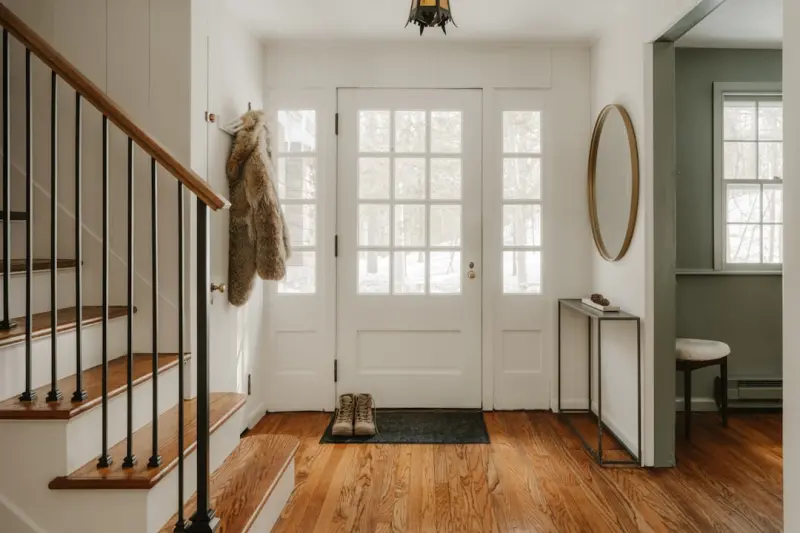
When you step through the front door, the first impression you get isn’t just about décor – it’s about how the space makes you feel, how it serves you, and how it quietly orchestrates the rhythm of your day. As someone who has spent the better part of a decade turning chaotic houses into calm, functional sanctuaries, I’ve learned that the entryway is the unsung hero of home efficiency. A well‑designed entry zone does more than hold shoes and coats; it can slash morning stress, curb clutter, and even lower your utility bills. Below, I’ll walk you through a step‑by‑step playbook for turning that often‑overlooked square footage into a purpose‑built hub that works for you, not against you.
1. Diagnose the Pain Points (Without a Therapist)
Before you start moving furniture, spend a week observing the traffic flow. Where do you constantly drop keys? Which spot becomes a dumping ground for mail? Does the space feel cramped because of an awkward rug or a bulky console? Jot down each irritation; they’re the clues that will guide your redesign.
- Morning rush: Keys, phone, wallet – all end up on the coffee table.
- Seasonal overflow: Jackets and umbrellas crowd the hallway during rainy months.
- Energy leaks: A drafty door or a window that never gets closed.
By naming these issues, you turn vague frustration into actionable objectives: a designated drop‑zone, seasonal storage, and a thermal barrier.
2. Map Out Zones – The “Three‑Box” Method
The entryway can be broken into three functional boxes: Drop, Store, and Transition. Think of each box as a mini‑room with its own purpose.
- Drop Zone: A small, eye‑level shelf or a wall‑mounted hook rack where you can instantly unload the essentials.
- Store Zone: A bench with hidden compartments, a slim console, or a set of cubbies for shoes, umbrellas, and seasonal gear.
- Transition Zone: A clear path that guides you toward the kitchen or living area, often enhanced with a welcoming rug or a piece of art that signals “home.”
When each zone is clearly defined, you’ll notice how quickly clutter disappears. The key is to keep each zone visually distinct yet cohesive in style.
3. Choose Multi‑Purpose Furniture (Because Space Is Precious)
One of my favorite hacks is a bench with a lift‑top. When you sit to slip on shoes, you’re also opening a secret compartment for a shoe‑polishing kit, spare slippers, or even a small vacuum. If you have a narrow hallway, a vertical planter doubles as a storage solution for gardening tools while adding a breath of fresh air.
Another go‑to is a narrow console that doubles as a charging station. Install a few USB ports or a wireless charger inside a discreet drawer; the console becomes the tech hub of the house, keeping cords from spilling onto the floor.
4. Harness Light to Shape Mood and Function
Good lighting does more than illuminate; it cues behavior. A bright, welcoming light at the entry signals that the space is a place to pause and regroup. Pair a motion‑sensor LED strip under the bench or along the baseboard with a dimmable overhead fixture. This way, you get instant light when you walk in, but you can also dim it for a cozy evening vibe.
Don’t overlook natural light. If your entry has a small window, keep it unobstructed. Light‑filtering curtains can add softness while still allowing daylight to bounce off reflective surfaces, making the area feel larger.
5. Smart Storage Solutions That Hide Without Hiding
Here are three low‑cost, high‑impact ideas:
- Magnetic strips: Install them on the side of a wall near the door for metal keys and small tools. They keep metal objects from scattering across countertops.
- Pull‑out shoe racks: A shallow drawer that slides out from under a console lets you see every pair at a glance. Add a felt liner to protect shoes and the floor.
- Fold‑away coat hooks: When you’re short on wall space, a hinged panel with hooks folds flat against the wall after the season ends.
These solutions keep the aesthetic clean while still being highly functional.
6. Add a Touch of Thermal Efficiency
Entryways are often the culprits of heat loss, especially if the door swings open onto a cold hallway. Install a weather‑stripping seal around the door frame; it’s a cheap upgrade that can cut heating costs noticeably. If you have a drafty side door, a simple draft stopper can make a world of difference.
Consider a small, energy‑efficient heater that plugs into a timer. It warms the space just enough to avoid that icy foot‑step shock without running all day.
7. Personalize Without Cluttering
Personal touches make the entry feel like a true welcome, but they should never become visual noise. Choose one statement piece—a piece of art, a decorative bowl for keys, or a scented candle (choose subtle, natural scents). Rotate the piece seasonally to keep the look fresh without adding extra items.
If you love greenery, a compact succulent garden on the console adds life and improves air quality. Pair it with a smart moisture sensor that alerts you via phone when it needs water – a subtle nod to technology without overwhelming the space.
8. Create a “Leaving” Routine Checklist
One of the biggest sources of entryway chaos is the mental load of remembering what to take with you. Print a tiny checklist and attach it to the back of the door or the inside of the bench lid. Include items like “keys,” “phone,” “wallet,” “water bottle.” Over time, this habit reduces the need for a frantic search, and the checklist itself becomes a decorative element when designed with a clean, minimalist aesthetic.
9. Maintain the Momentum (The 5‑Minute Reset)
Every night before bed, spend five minutes resetting the entryway. Return stray items to their homes, straighten the rug, and turn off any lingering lights. This tiny ritual prevents the space from becoming a dumping ground and sets a calm tone for the next morning.
10. Measure Success (And Celebrate)
After two weeks, evaluate the impact. Are you leaving the house with fewer forgotten items? Is the hallway less cluttered? Have you noticed a dip in your heating bill? Celebrate small wins – maybe treat yourself to a new rug or a piece of art that enhances the entry’s vibe.
By treating the entryway as a purpose‑built hub rather than an afterthought, you unlock a cascade of benefits: smoother mornings, reduced stress, and a home that feels intentionally designed. The entryway is the first and last impression of your living space – make it count.

Jody Henderson is a passionate freelance writer, driven by a love for storytelling and a keen eye for detail. With a versatile skillset, she crafts compelling content across a variety of niches, from engaging blog posts to informative articles and persuasive marketing copy.
Related Posts

Fresh Home Hacks: Simple Tweaks for a More Comfortable Living Space
Transform everyday rooms with practical, low‑cost hacks that improve comfort, organization, and en... Read More
Flexible Living: Turn Every Room Into a Purpose‑Driven Space
Discover practical strategies to make every room in your home adaptable for work, relaxation, and ev... Read More

The Secret Power of Ambient Light: Turning Your Home Into a Wellness Engine
Learn practical, budget‑friendly strategies to map light zones, choose smart fixtures, and integra... Read More
Top Posts

Beyond the Map: Crafting Stories with Your Senses on the Road
Explore travel as a sensory narrative, using sound, scent, touch, and taste to create lasting stories that enrich every adventure....Read More

Why Your Desk Needs a Movement Minute (And How to Make It Stick)
Micro‑movement breaks are a low‑effort habit that can counteract the health risks of prolonged sitting, boost circulation, and sharpen mental clarity, makin...Read More

Cultivating a Year‑Round Indoor Herb Garden: Fresh Flavors for Every Season
Learn to turn every corner of your home into a vibrant herb sanctuary, from soil secrets to vertical garden tricks, for fresh, year‑round flavor....Read More

Travel as a Living Lab: Turning Trips into Personal Research Projects
Explore a fresh travel mindset that turns each trip into a personal research project, using simple questions, digital tools, and daily reflection to harvest ins...Read More
0 Comments
Post Comment
You will need to Login or Register to comment on this post!