
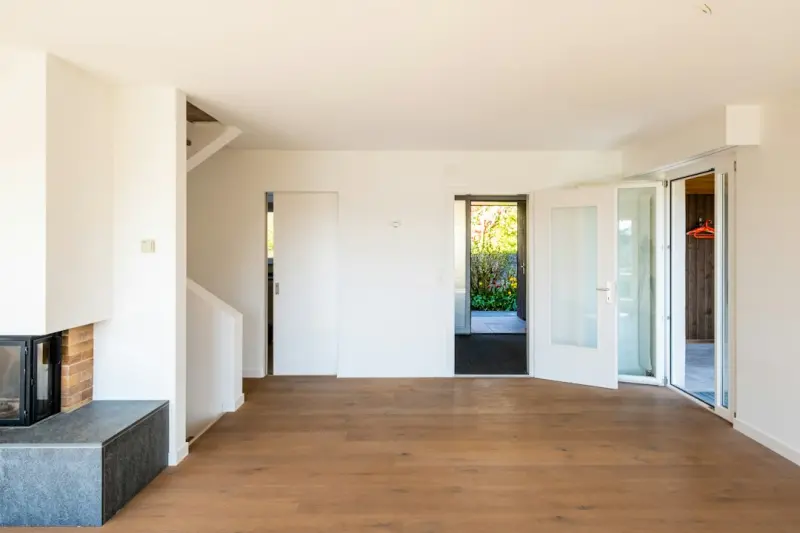
Ever stare at the same four walls and wonder why your home feels more like a static backdrop than a living, breathing partner in your daily hustle? I’ve been there—tucked between a makeshift office desk and a cluttered kitchen counter, I realized my space was stuck in a single‑mode mindset. The solution? Embrace flexibility. By treating each room as a mutable canvas, you can shift its purpose on the fly, boost productivity, and keep the vibe fresh without a full‑blown renovation.
Rethink the Floor Plan Without Moving Walls
The first step to a flexible home is to challenge the assumption that a room’s function is fixed. Instead of labeling a space as “the bedroom” or “the office,” think in terms of zones that can be activated or deactivated as needed. This mindset opens up a world of possibilities:
- Layered zones: Use rugs, lighting, and furniture arrangement to create overlapping areas—like a reading nook that doubles as a meditation corner.
- Portable partitions: Lightweight screens or open shelving units let you draw temporary boundaries without the permanence of drywall.
- Vertical real‑estate: Shelving, wall‑mounted desks, and hanging storage free up floor space, making it easier to repurpose the area.
By visualizing your home as a series of adaptable layers, you free yourself from the “one room = one job” trap, setting the stage for the next set of upgrades.
Multi‑Functional Furniture: The Unsung Hero
Furniture that serves more than one purpose is the backbone of any flexible home. Here are my go‑to pieces and why they work:
- Convertible sofa‑beds: Modern designs now offer sleek lines that transition from lounge to sleep surface in seconds, ideal for guest rooms or studio apartments.
- Fold‑away desks: Wall‑mounted workstations that fold flat when you’re done keep the floor clear for yoga, crafting, or dancing.
- Nesting tables: Stackable side tables that expand into a larger surface when you need extra workspace or a dinner spread.
- Storage ottomans: Hide blankets, books, or even a yoga mat inside a plush ottoman, providing both seating and concealed storage.
When picking pieces, prioritize clean lines and neutral colors. This ensures they blend seamlessly whether the room is in “focus mode” or “relax mode.”
Smart Lighting & Ambient Controls
Lighting isn’t just about illumination; it’s a powerful cue that tells your brain what activity to expect. Here’s how to use it to your advantage:
- Adjustable color temperature: Warm light (2700‑3000K) promotes relaxation, while cooler light (4000‑5000K) boosts alertness—perfect for toggling between work and unwind.
- Zone‑specific smart bulbs: Program each zone to dim, brighten, or change hue with a voice command or schedule. A quick “Goodnight, living room” can shift the entire ambience.
- Motion‑sensing night lights: Subtle path lighting that turns on when you move between zones at night helps maintain a low‑stress environment.
Integrating a simple hub or using a single app keeps the system manageable. The result? A home that intuitively supports whatever you’re doing at the moment.
Acoustic Comfort Without Compromise
Sound can be a silent productivity killer. Open‑plan homes often suffer from echo and background noise, but you don’t need to plaster every wall. Consider these low‑impact solutions:
- Fabric wall hangings: Decorative tapestries or woven art absorb mid‑range frequencies, reducing reverberation.
- Rug layers: A thick rug under a desk or lounge area not only feels cozy but also dampens footfall noise.
- Bookshelf buffers: Filled bookshelves act as natural sound diffusers, especially when placed opposite a workstation.
These tricks add texture and warmth while keeping the acoustic profile balanced for both focus sessions and relaxed evenings.
Seasonal Micro‑Displays: Rotate, Refresh, Inspire
Instead of a static décor scheme, treat your décor as a rotating gallery. A few curated changes each season can invigorate a space without a major overhaul:
- Swap out textile accents: Change pillow covers, throws, or table runners to reflect seasonal palettes.
- Rotate artwork: Keep a small collection of prints or photos and swap them out quarterly—this keeps visual interest alive.
- Introduce seasonal scents: Diffusers with pine for winter, citrus for spring, or sandalwood for autumn can subtly shift the room’s mood.
The key is to keep the core furniture and layout stable, allowing the micro‑changes to feel fresh without disrupting functionality.
Green Touches That Do More Than Look Good
Plants are the unsung multitaskers of home design. Beyond aesthetic appeal, they improve air quality, boost mood, and can even serve as natural sound absorbers.
Start with low‑maintenance varieties that fit your lighting conditions:
- Low‑light champions: ZZ plant, snake plant, or pothos thrive in indirect light and can sit on a bookshelf or office desk.
- Air‑purifying powerhouses: Spider plant and peace lily actively filter common indoor pollutants.
- Herb gardens: A windowsill herb box provides fresh flavor for cooking while adding a vibrant green touch.
If floor space is limited, think vertically—hanging planters or wall‑mounted pockets add greenery without sacrificing square footage.
Maintenance Habits for Longevity
Flexibility works best when your home’s systems stay in top shape. Adopt these easy habits to keep everything running smoothly:
- Weekly “zone reset”: Spend 10‑15 minutes each week clearing surfaces, resetting furniture, and realigning any portable partitions.
- Quarterly deep clean of tech accessories: Dust smart devices, clean lamp shades, and check battery levels on wireless chargers.
- Seasonal furniture inspection: Tighten screws on fold‑away desks, test the mechanisms on convertible sofas, and rotate mattress positions to even out wear.
These small, consistent actions prevent wear‑and‑tear and ensure your flexible setup remains reliable year after year.
Linking Your Flexibility Journey to Existing Home Resources
If you’re already exploring ways to make your home more adaptable, you might find these related reads useful. For a deeper dive into holistic home upgrades, check out energy‑saving home hacks that blend comfort with efficiency. And when you’re looking at the entryway, a place often overlooked, consider small entryway upgrades that set the tone for a dynamic living experience.
Final Thoughts: Make Your Home a Living Extension of Your Lifestyle
The magic of a flexible home isn’t in the gadgets or the furniture; it’s in the mindset that sees each square foot as a resource you can shape daily. By layering zones, choosing adaptable pieces, harnessing smart lighting, and injecting seasonal freshness, you create an environment that moves with you—whether you’re brainstorming the next big project, cooking a family dinner, or simply unwinding with a good book.
Give yourself permission to experiment. Move a chair, dim the lights, swap a pillow, and notice how the space responds. Over time, you’ll discover a rhythm that feels less like “living in a house” and more like “co‑creating with a space that supports every facet of your life.”

Jessica Gills is a freelance writer carving a niche for herself by empowering others through her words. With a focus on careers, self-development, and business, she helps readers navigate the complexities of the modern professional landscape.
Related Posts
Multi‑Functional Furniture Secrets: Turn Every Corner Into a Purpose‑Built Zone
Discover practical, budget‑friendly strategies to turn any room into a multi‑functional zone, us... Read More
Tiny Wellness Nooks: Boosting Home Harmony One Corner at a Time
Learn to turn overlooked corners of your home into purposeful wellness nooks, using easy DIY project... Read More

Evening Reset: The 10‑Minute Routine That Transforms Your Home
A simple, 10‑minute evening reset—covering entryway clear‑out, kitchen quick‑clean, light an... Read More
Top Posts
Garden Desk Magic: Boosting Life, Work, and Wellness
Turn your backyard into a thriving workspace. Learn why garden desks boost productivity, mental health, and even career growth—all while adding beauty to your...Read More

Quiet Corners: Designing Mental‑Health Safe Havens in the Modern Office
Discover practical design principles and daily rituals for building quiet corners that act as mental‑health safe havens, boosting employee well‑being and pr...Read More
How Personal Analytics Can Accelerate Your Career Growth
Learn to turn everyday performance data into a powerful career accelerator, from building dashboards to negotiating raises with hard evidence....Read More

Transparent Pay Bands: How Salary Visibility Boosts Trust and Retention
Transparent pay bands give employees a clear compensation framework, building trust, enhancing retention, and supporting a culture of fairness and growth....Read More
0 Comments
Post Comment
You will need to Login or Register to comment on this post!