

Welcome to a Home That Works for You
When I first stepped into my own living room after a long week, I realized the space was doing more than just holding furniture—it was shaping my mood, my productivity, and even my sleep quality. I began asking myself simple questions like, “Which corners feel inviting, and which feel like a chore?” By treating each room as a series of purposeful zones rather than a static backdrop, I discovered that tiny tweaks can turn everyday chaos into calm, and that calm can ripple into every part of life. This guide shares the practical, budget‑friendly tweaks that have transformed my home into a place that truly supports the way I live, without a full renovation.
Redesign the Entryway for Instant Relief
The entryway is the first impression your home gives, yet it’s often the most cluttered spot, a silent stressor that greets you after a day out. I swapped a generic shoe rack for a sleek wall‑mounted cubby system that lets me drop keys, mail, and boots in designated slots, cutting the morning scramble by minutes and keeping the hallway tidy. Adding a small, stylish tray for keys and a decorative basket for loose items creates visual order, and a soft rug underfoot makes the space feel welcoming, turning the doorstep into a smooth transition rather than a bottleneck.
Master Kitchen Drawer Organization with DIY Inserts
Kitchen drawers can quickly become black holes where utensils disappear, but a few custom inserts can restore sanity and speed up meal prep. I measured my drawer dimensions, cut thin plywood to fit, and added divided sections for knives, spatulas, and measuring spoons, securing them with a non‑slip backing. This simple system not only prevents scratches on the drawer bottom but also lets me see every tool at a glance, reducing the time spent rummaging for the right gadget and freeing up mental space for creativity in the kitchen.
Choose Multipurpose Furniture for Flexible Living
Living in a modest‑sized apartment taught me the power of furniture that serves more than one purpose, and I’ve found that a well‑chosen piece can double the usable square footage without sacrificing style. A storage ottoman, for example, offers hidden compartments for blankets while providing extra seating for guests, and a fold‑out desk tucked behind a decorative screen can disappear when not needed, keeping the living area open for relaxation. By selecting pieces that adapt to daily routines, the home feels larger, more organized, and ready for spontaneous activities.
Layer Light for Mood and Function
Lighting isn’t just about illumination; it’s about setting the tone for each moment, and I learned to layer sources to achieve both function and ambience. I installed dimmable overhead LEDs for bright, energy‑efficient light, added sleek table lamps for focused tasks like reading or working, and placed warm‑glow string lights along shelving to create a cozy backdrop in the evenings. This combination lets me shift from a productive environment to a relaxing sanctuary with a simple tap, and the layered approach also reduces eye strain during late‑night projects.
Smart Energy‑Saving Hacks That Pay Off
Reducing energy usage doesn’t require a massive overhaul; small smart upgrades can yield big savings while keeping comfort intact. I equipped each room with programmable thermostats that learn my schedule, so the heating drops when I’m at work and rises just before I return, cutting wasteful heating costs. Adding smart power strips to entertainment centers eliminates phantom loads from idle devices, and swapping traditional bulbs for high‑efficiency LEDs further trims the bill—all controllable from a single app, giving me peace of mind and a greener footprint.
Invite Greenery Without a Garden
Even without outdoor space, plants can improve air quality, boost mood, and add texture to rooms, and I discovered a few low‑maintenance options that thrive in low‑light corners. Snake plants, ZZ plants, and pothos are resilient choices that require minimal watering and can thrive on a windowsill or shelf. To enhance the effect, I paired them with hanging macramé planters, creating visual interest at eye level, and consulted the natural air refresh guide for DIY spray blends that keep the indoor atmosphere fresh and fragrant.
Wrap‑Up: Your Actionable Home Refresh Checklist
To make these ideas stick, I recommend tackling one zone each weekend, starting with the entryway, then moving to the kitchen, and so on, allowing you to see immediate improvements without feeling overwhelmed. Keep a simple checklist: declutter surfaces, add a storage solution, upgrade lighting, integrate a smart device, and introduce a plant. By following this rhythm, you’ll gradually build a home that supports your lifestyle, reduces daily friction, and feels genuinely yours, all while staying within a modest budget.

Steph Sanderson is a Toronto-based freelance writer and content creator with a clear passion: crafting compelling articles. With a dedication to clear, engaging prose and a knack for storytelling, Steph brings a wealth of experience to every project.
Related Posts

Smart Home Swaps That Save Money and Reduce Waste
Learn practical, budget‑friendly home upgrades that slash energy costs, conserve water, and turn y... Read More

Seasonal Home Reset: A Practical Checklist for Every Quarter
A quarter‑by‑quarter guide that blends quick wins with larger projects, helping you maintain ene... Read More

Creating Calming Nooks: Low‑Tech Strategies for Home Focus
A practical guide to crafting low‑tech calming corners in your home, using everyday items and mind... Read More
Top Posts
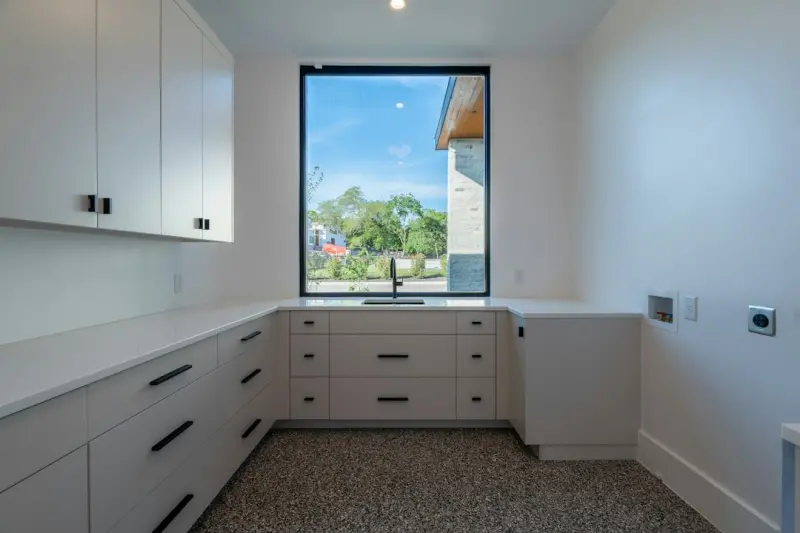
Transforming the Laundry Room into a Lush Mini‑Garden Oasis
Discover how to convert a cramped laundry room into a vibrant garden oasis using smart lighting, custom soil mixes, and adaptable plant selections, creating a c...Read More

Unlocking Career Growth Through Internal Mobility
Explore the power of internal mobility to accelerate career development, boost engagement, and drive organizational agility in today’s dynamic workplace....Read More
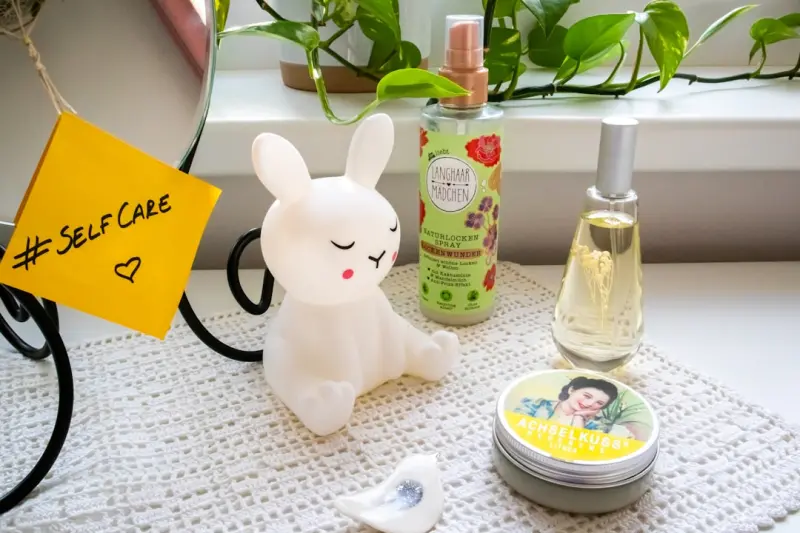
Rewiring Your Routine: Personal Care That Calms the Brain
A deep dive into turning everyday personal care into a neuro‑supportive ritual, blending sensory design, micro‑movements, and tech‑enabled feedback for la...Read More

The Art of Fragrance Layering: Turning Everyday Routines into Sensory Journeys
Fragrance layering turns routine personal care into a curated scent journey, using base, mid, and top notes to support mood, productivity, and self‑expression...Read More
0 Comments
Post Comment
You will need to Login or Register to comment on this post!