

When I first moved into my tiny third‑floor walk‑up, the concrete walls felt like a reminder that nature was an inconvenient luxury. That feeling didn’t last long. Over the past few months I’ve turned that cramped space into a thriving, sensory‑rich oasis—without sacrificing square footage or sanity. If you’re skeptical that a city apartment can feel like a forest retreat, stick with me. I’m about to share the exact steps, tools, and mind‑sets that transformed my home into a biophilic haven, and why the same approach can work for any urban dweller craving a deeper connection to the natural world.
Why Biophilic Design Matters (Even If You’re Not a Plant‑Whisperer)
Biophilia isn’t just a buzzword; it’s a scientifically backed principle that humans thrive when we have regular, meaningful contact with nature. Studies show that exposure to natural elements can lower cortisol, improve focus, and even boost creativity. In an era where we spend upwards of 10 hours a day staring at screens, integrating organic textures, living green, and natural light into our homes is no longer a luxury—it’s a health imperative.
But biophilic design isn’t about stuffing your living room with a monstera the size of a small dog (unless you have the space, in which case, go for it!). It’s about thoughtful, intentional touches that make your environment feel alive. Below, I’ll walk you through a layered approach that starts with the simplest changes and builds toward a fully integrated, smart‑garden ecosystem.
Layer 1: The Foundations—Light, Air, and Sound
Before you even think about placing a plant on a windowsill, consider the three invisible yet essential ingredients that make any green space flourish.
- Light: Natural daylight is the single most important factor for plant health. If your windows are small or shaded, ambient light therapy solutions—like full‑spectrum LED panels—can fill the gap. Position these panels a foot or two above your foliage to mimic the sun’s angle and intensity.
- Airflow: Stale air stifles both plants and people. A small desk fan set on low can circulate fresh air, preventing mold and keeping leaves perkier. If you’re a fan of quiet mornings, try a fan with a built‑in white‑noise feature; the gentle hum doubles as a calming soundtrack.
- Sound: Plants respond to vibrations. While the research is still emerging, many urban gardeners swear by soft background music or nature sounds. For a curated auditory experience, explore scent and sound techniques that not only soothe your nerves but also create a subtle vibration that can stimulate plant growth.
Layer 2: Choosing the Right Green Companions for Small Spaces
Not all plants are created equal, especially when real estate is at a premium. Here are my go‑to selections, each chosen for its low maintenance, air‑purifying qualities, and visual impact.
- ZZ Plant (Zamioculcas zamiifolia): Tolerates low light, infrequent watering, and has glossy foliage that adds a modern touch.
- Pepperomia: Compact, with a variety of leaf colors and patterns, perfect for a desktop or bookshelf.
- Herb Cascade (a mix of basil, mint, and cilantro): Grows in a vertical hydroponic tower, giving you fresh flavors at arm’s reach while acting as a living kitchen garnish.
- Air Plants (Tillandsia): No soil required; they cling to driftwood, glass, or a decorative hanging sphere—ideal for that extra visual pop.
When selecting plants, always check the hardiness zone of your apartment’s micro‑climate. Even a sunny studio can have cooler nights that stress tropical species. A quick glance at the plant label will save you from future heartbreak.
Layer 3: Vertical Gardening—Turning Walls Into Living Art
Vertical gardens are the ultimate solution for cramped floor plans. They free up precious square footage while turning a bland wall into a focal point. Here’s how I built my own “living mural” without hiring a contractor.
- Pick a sturdy backing: A plywood panel (½‑inch thick) anchored to studs works best. If you’re renting, opt for a removable mounting system like 3M Command strips rated for up to 10 lb.
- Choose a modular pocket system: Felt or fabric pockets that slide into a grid make planting, swapping, and watering a breeze. I love the DIY felt pocket kit from a local craft store because it’s lightweight and breathable.
- Plan your layout: Mix tall, trailing, and compact species for visual depth. For instance, place a ZZ plant in the bottom left, let a string of air plants cascade from the middle, and top it off with a trailing pothos that drapes elegantly.
- Install a simple irrigation drip: A ¼‑inch tubing loop connected to a small reservoir (a repurposed water bottle) can provide consistent moisture. Set a timer for 10 minutes each morning; the system will do the heavy lifting.
Once the wall is alive, you’ll notice an immediate shift in the room’s atmosphere. The green backdrop reduces visual clutter, and the gentle rustle of leaves becomes a calming, natural white‑noise.
Layer 4: Smart Garden Tech—When Data Meets Dirt
Technology isn’t just for the office; it can be a game‑changer for the home garden. Smart sensors track soil moisture, light exposure, and temperature, sending alerts straight to your phone. I started with a soil moisture probe for my herb tower. The app tells me when the reservoir is low, and I can schedule a refill during my lunch break.
Another favorite is a Bluetooth‑enabled grow light that automatically adjusts its spectrum based on the time of day, mimicking sunrise and sunset. This not only benefits the plants but also regulates my circadian rhythm—a subtle but powerful boost to overall well‑being.
If you’re wary of gadgets, start small. A single moisture sensor paired with a basic notification can prevent over‑watering, which is the most common mistake beginners make.
Layer 5: Integrating Edible Elements—From Decorative to Delicious
One of the most satisfying aspects of home gardening is the payoff on the plate. I’ve turned my vertical garden into a miniature farm-to-table station by adding a few edible varieties.
- Microgreens: Grow in shallow trays under a LED light; they’re ready to harvest in 7‑10 days and add a peppery crunch to salads.
- Edible Flowers: Nasturtiums and violas not only provide bursts of color but also a peppery flavor that elevates dishes.
- Herb Spiral: Using a reclaimed metal bucket, I created a spiral that houses thyme, rosemary, and sage at varying heights, each receiving the perfect amount of sun.
Beyond taste, having fresh greens within arm’s reach reduces grocery trips, cuts food waste, and reinforces a sense of self‑sufficiency—especially valuable in a world where supply chains can be unpredictable.
Layer 6: Maintaining Momentum—Turn Your Garden Into a Habit
It’s easy to feel enthusiastic on day one, but the real challenge is making care a sustainable habit. Here’s my simple 5‑minute daily routine that keeps my garden thriving without becoming a chore:
- Morning glance: Open the curtains, check the light meter on your app, and note any wilting leaves.
- Water check: If the moisture sensor flags dryness, give the reservoir a quick top‑up.
- Air circulation: Turn on the fan for a minute to refresh the space.
- Harvest bite: Snip a herb leaf or microgreen—this encourages new growth.
- Evening wind‑down: Dim the lights, set the grow light timer, and enjoy the subtle scent of your indoor garden as you unwind.
This routine takes less time than scrolling through social media, yet it offers a tangible sense of accomplishment that fuels motivation for the next day.
Layer 7: Leverage home hacks to Maximize Space and Efficiency
One of the smartest hidden home hacks I’ve adopted is repurposing everyday objects as plant containers. Think: mason jars for succulents, old teacups for air plants, or a reclaimed wooden pallet as a vertical herb garden. These upcycled pieces not only reduce waste but also add personality to your decor.
Another trick is to combine functional furniture with greenery. A coffee table with a built‑in planter, or a bookshelf that houses trailing vines, turns storage into a living statement piece. The key is to think of each item as a potential dual‑purpose element—beauty and utility in one.
Putting It All Together—A Walk‑Through of My Revitalized Apartment
Picture this: I step into the living room and the first thing I notice is the vertical garden on the east wall, a cascade of emerald leaves catching the morning sun. To the right, a sleek smart grow light hovers above my herb tower, casting a gentle glow that promises fresh basil for lunch. A small desk fan hums softly, circulating the scent of mint and the distant murmur of a curated nature playlist.
On the coffee table, a reclaimed wooden crate houses a trio of microgreen trays, each labeled with the day of harvest. The table’s surface doubles as a charging station for my phone, keeping tech and nature in harmony. Across the room, a set of hanging air plants sways lightly, their delicate forms reflecting the ambient light that filters through sheer curtains.
Every element serves a purpose—visual, sensory, or functional—creating a cohesive ecosystem that feels both modern and grounding. And when friends visit, they’re often surprised to learn that the “art piece” on the wall is actually a living, breathing garden.
Final Thoughts: Your Home as a Living Canvas
Transforming an apartment into a biophilic sanctuary isn’t about grand gestures; it’s about intentional, layered choices that accumulate into a profound shift in how you experience your space. By addressing light, air, and sound; selecting resilient plants; embracing vertical and smart technologies; and integrating edible elements, you can craft a home that not only looks beautiful but also nurtures your body and mind.
Remember, the journey is personal. Start small, stay curious, and let each success—no matter how tiny—fuel the next step. In a world that often feels chaotic, your indoor garden can become a quiet, resilient sanctuary that reminds you of the natural rhythms we all crave.

Amanda is a passionate writer exploring a kaleidoscope of topics from lifestyle to travel and everything in between.
Related Posts
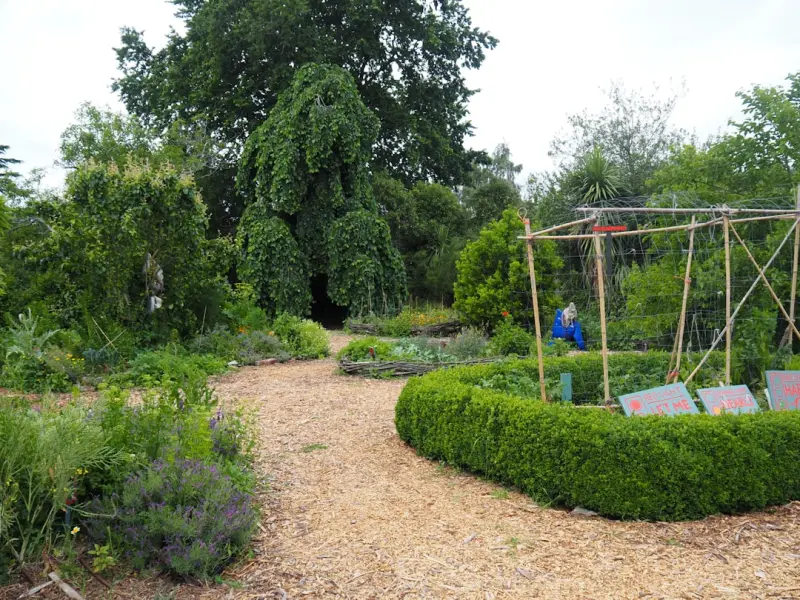
Cultivating a Sensory Garden: A Multi‑Sensory Retreat for Home & Garden Lovers
Learn step‑by‑step how to build a sensory garden that awakens all five senses, offering a soothi... Read More
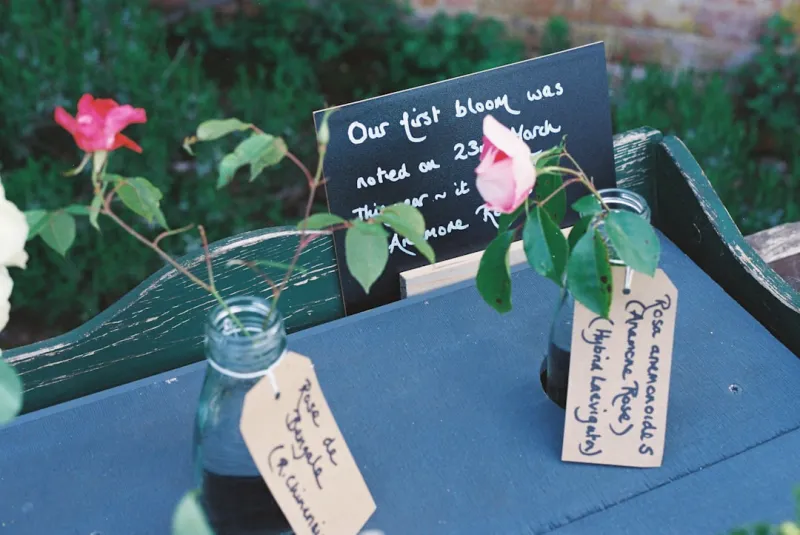
Garden Desks: How Rose DesRochers Is Redefining Home & Garden Living
Rose DesRochers shares her personal journey turning backyard spaces into thriving green workstations... Read More
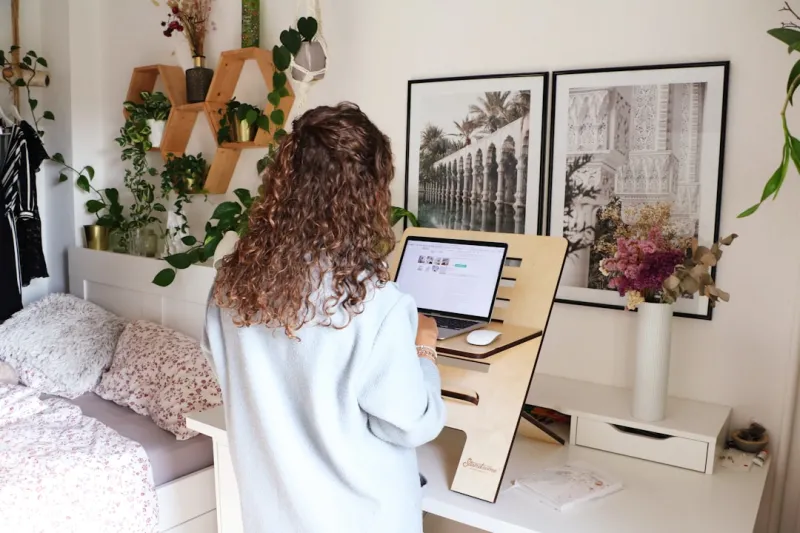
The Secret Garden Desk: Transforming Home Life and Productivity
Explore the magic of garden desks—where work meets nature—to boost focus, enhance home value, an... Read More
Top Posts

The Art of Intentional Accidents: Turning Unplanned Detours into Travel Gold
Learn practical strategies for embracing unplanned travel, from micro‑adventures and local QR‑code tips to adaptive soundtracks, turning every surprise deto...Read More

Chronobiology Meets Personal Care: Syncing Your Routine with Your Body Clock
Discover how to tailor cleansing, hydration, and active treatments to your body’s natural rhythms, turning daily routines into science‑backed self‑care ri...Read More

Curating a Rotating Home Gallery: Fresh Ways to Refresh Your Space
Learn to turn your walls into a living gallery with easy swaps, seasonal themes, and DIY framing—bringing fresh energy to any room....Read More

What to do in Alberta, Canada This Summer
Discover the best way to spend your summer in Alberta, Canada. From the turquoise glacial lakes of Banff to the urban excitement of the Calgary Stampede, this g...Read More
0 Comments
Post Comment
You will need to Login or Register to comment on this post!