

Digging Deep: How to Turn Your Backyard into a Thriving Soil Sanctuary
When I first moved into my modest suburban home, the garden was nothing more than a patch of brown earth and a lone, forlorn tomato plant that had given up after a single season. I was a self‑confessed “digital‑first” professional, spending most of my days in front of a screen, and the idea of getting my hands dirty felt almost sacrilegious. Yet, something about the silence of the soil called to me, promising a tangible, rewarding counterpoint to the endless scroll of virtual meetings.
Fast forward a few months, and my backyard is now a vibrant, living laboratory where microbes, worms, and seedlings collaborate in a quiet choreography. If you’re craving a similar transformation, here’s a step‑by‑step guide to creating a soil sanctuary that not only boosts your garden’s productivity but also nourishes your well‑being.
Why Soil Health Matters More Than You Think
Most home gardeners focus on the visible aspects of gardening—plant selection, watering schedules, and decorative pots. What we often overlook is the invisible engine that fuels every green leaf: the soil. Healthy soil is a bustling metropolis of bacteria, fungi, protozoa, and macro‑organisms like earthworms. These tiny allies break down organic matter, lock away carbon, and make nutrients readily available to plants.
When soil is healthy, you’ll notice:
- Stronger, more disease‑resistant plants.
- Reduced need for synthetic fertilizers.
- Improved water retention, meaning less watering.
- A richer, earthier aroma that makes every garden visit a sensory delight.
In short, investing in soil health is the most efficient way to amplify the yield of any garden, big or small.
Step 1: Assess Your Soil’s Starting Point
Before you can improve anything, you need a baseline. Grab a handful of soil from a few spots around your yard and perform a simple “feel test.” Squeeze the soil: if it crumbles into a fine powder, it’s likely low in organic matter; if it forms a loose ball that sticks together but easily falls apart, you’re in good shape.
For a more precise snapshot, consider a DIY soil test kit (available at most garden centers) or send a sample to a local cooperative extension. Look for pH levels (ideal range 6.0–7.0 for most vegetables), nutrient deficiencies, and texture composition.
Step 2: Build a Compost Powerhouse
Compost is the gold standard for feeding soil microbes. Set up a compost bin in a shady corner—preferably on a raised platform to improve aeration. Alternate “green” nitrogen‑rich materials (kitchen scraps, coffee grounds, fresh grass clippings) with “brown” carbon‑rich layers (dry leaves, shredded newspaper, straw). Aim for a 1:2 ratio of greens to browns.
Turn the pile every 2–3 weeks with a pitchfork to introduce oxygen, a vital ingredient for the aerobic microbes that produce the dark, crumbly humus we crave. Within a few months, you’ll have a ready‑to‑use amendment that can be mixed into planting beds, potted soil, or even used as a top‑dressing for perennial beds.
Step 3: Embrace Mulch—Your Soil’s Best Friend
Mulching does more than keep weeds at bay. A layer of organic mulch (shredded bark, straw, or leaf mold) helps regulate soil temperature, conserves moisture, and, as it breaks down, adds a slow‑release source of nutrients. Spread a 2‑inch blanket around your plants, being careful not to let it touch stems directly—this prevents rot.
For a decorative twist, consider incorporating sensory garden elements like aromatic herbs or textured stones. Not only does this elevate visual appeal, but it also creates micro‑habitats for beneficial insects.
Step 4: Introduce Earthworms—Nature’s Soil Engineers
If you’ve ever watched a worm wriggle through damp earth, you’ve witnessed nature’s own tiller. Earthworms aerate the soil, create channels that improve drainage, and ingest organic matter, excreting nutrient‑rich castings. To attract them, avoid chemical fertilizers and pesticides, and provide a steady diet of compost or finely shredded newspaper.
Consider a “worm bin” in your garage or shed to cultivate a starter population. After a few weeks, you can gently scatter the worm castings across your garden beds for an instant nutrient boost.
Step 5: Grow Cover Crops to Feed the Soil
Cover crops, also known as “green manures,” are planted during off‑season periods to protect soil from erosion and to fix nitrogen. Legumes like clover, beans, or peas form symbiotic relationships with nitrogen‑fixing bacteria, enriching the soil naturally. After they flower, cut them down and work the residues into the soil—a practice that adds organic matter while suppressing weeds.
Step 6: Water Wisely—Less Is More
Overwatering is the silent killer of soil structure. It pushes air out of the pores, suffocating aerobic microbes, and can leach nutrients beyond the root zone. Adopt the “deep, infrequent” watering method: water early in the morning, allowing the soil to dry slightly between sessions. Use a soaker hose or drip irrigation to target the root zone directly, minimizing evaporation.
Step 7: Diversify Plantings for Soil Diversity
Monoculture—growing a single species in a large area—creates a nutrient vacuum and attracts pests. Instead, interplant complementary species. For example, plant nitrogen‑loving lettuce alongside nitrogen‑fixing peas. The varied root structures also break up compacted soil and create a more complex habitat for beneficial microbes.
Step 8: Create a Mini‑Greenhouse for Year‑Round Soil Activity
If you live in a region with harsh winters, a small greenhouse can keep soil organisms active year‑round. Even a simple PVC hoop house covered with clear plastic can raise the temperature by a few degrees, allowing you to grow cold‑tolerant greens and maintain compost activity even in the off‑season.
Step 9: Celebrate the Process—Turn Your Soil Sanctuary Into a Personal Retreat
There’s a therapeutic rhythm to tending soil: the gentle scraping of a trowel, the earthy scent of fresh compost, the quiet hum of life beneath the surface. In my own backyard, I’ve begun to treat garden time as a mindful pause in an otherwise hyper‑connected day. It’s not about achieving a perfectly manicured lawn; it’s about fostering a living system that supports both plant and person.
If you’re looking for ways to extend this sense of calm beyond the garden, you might explore how to create a home spa sanctuary. Pairing a soil sanctuary with a personal wellness space creates a holistic environment where nature heals both body and mind.
Step 10: Monitor, Adjust, and Share Your Success
Soil health is a dynamic process. Keep a garden journal noting planting dates, compost additions, and any observable changes in plant vigor. Over time, you’ll see patterns—perhaps a particular mulch works better in shade, or a specific cover crop yields richer soil in a certain corner.
Don’t keep the bounty to yourself. Share your compost, worm castings, or seed swaps with neighbors. A community that values soil health multiplies the impact, turning a single backyard into a neighborhood of thriving ecosystems.
Wrapping Up: The Ripple Effect of Healthy Soil
Transforming your backyard into a soil sanctuary does more than boost your vegetable yields; it cultivates a deeper connection to the natural cycles that sustain us. By paying attention to the microscopic world beneath our feet, we become better stewards of the land, and in turn, we nurture our own sense of groundedness and resilience.
So roll up those sleeves, grab a trowel, and let the soil tell its story. The more you listen, the richer the narrative—one that’s written in roots, worms, and the fragrant humus that will one day feed the next generation of seedlings.

Miranda Murphy: Experienced freelance writer with a decade of storytelling expertise. Let's create something amazing together!
Related Posts
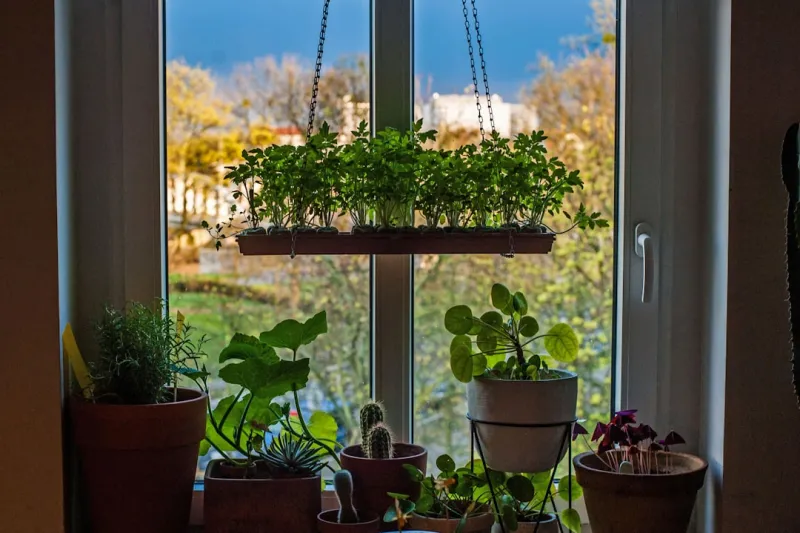
From Backyard to Boardroom: My Journey with a Garden Desk
Explore the rise of garden desks, blending nature with work, and learn practical tips to create a th... Read More
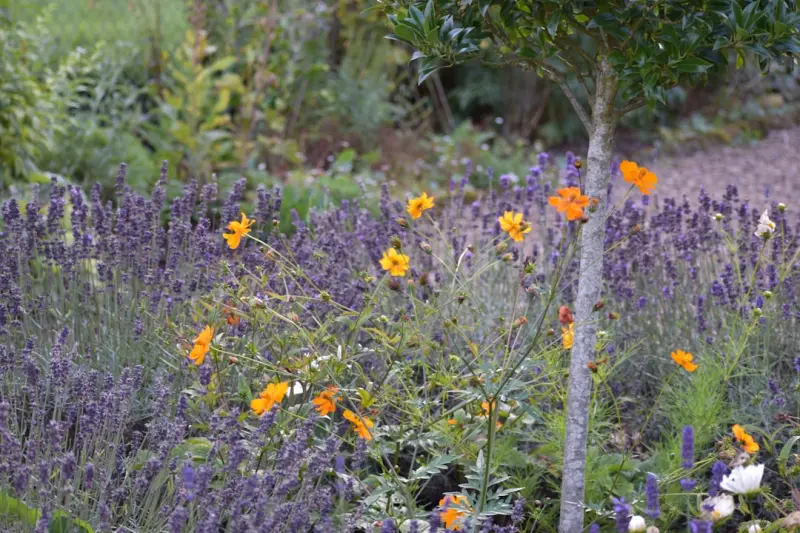
Cultivating a Sensory Garden: Sound, Scent, and Texture for Everyday Wellness
Learn how to transform any outdoor space into a multisensory sanctuary using soundscapes, fragrant p... Read More
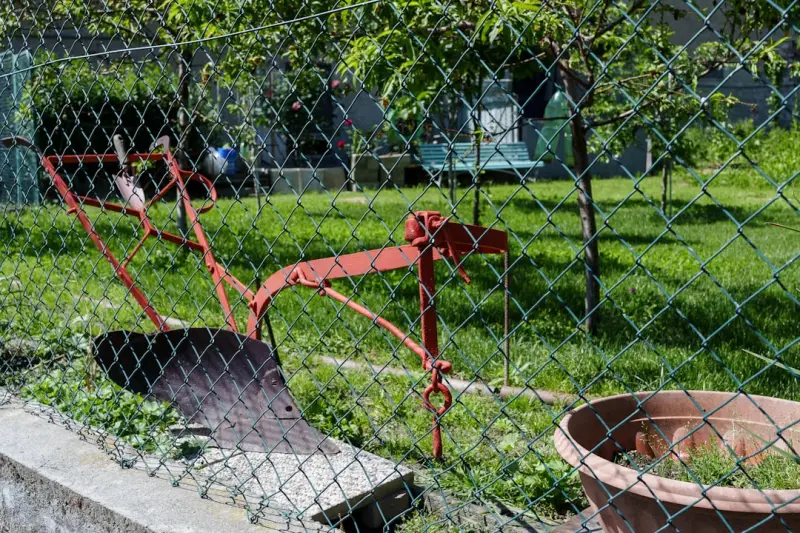
Cultivating Curiosity: Turning Your Backyard into a Living Laboratory
Learn to treat your backyard like a living laboratory—track data, embrace sensory planting, and sh... Read More
Top Posts

AI‑Enhanced Strategic Foresight: Turning Uncertainty into Opportunity
This article explores how AI can serve as a co‑pilot for strategic foresight, helping leaders detect hidden signals, generate robust scenarios, and turn uncer...Read More
How a Garden Desk Can Transform Your Home & Garden Lifestyle
Explore the rise of garden desks, learn design tips, and see how this outdoor office can elevate your productivity, mental health, and eco‑friendly lifestyle....Read More

When AI Becomes the Quiet Coach in Your Workday
Discover how a quietly integrated AI can become your day‑to‑day decision ally—offering gentle nudges, preserving autonomy, and enhancing productivity whil...Read More

Micro‑Transit Hubs: Reinventing the Weekend Getaway
Micro‑Transit hubs combine shared mobility options and local experiences, offering a flexible, eco‑friendly alternative to traditional car‑based weekend g...Read More
0 Comments
Post Comment
You will need to Login or Register to comment on this post!