

When I first moved into my modest bungalow, the front yard felt like a neglected billboard for the neighborhood – a stretch of grass that whispered “I could be better” every time I passed by. A few years later, that same patch has become a miniature farm that greets visitors with the scent of rosemary, the splash of ruby tomatoes, and the quiet pride of a homeowner who knows where her dinner starts. If you’ve ever imagined turning curb appeal into a source of fresh produce, this guide is your roadmap.
Why an Edible Front Yard Makes Sense
Traditional landscaping often pits aesthetics against function. A pristine lawn looks neat, but it offers little beyond a place to sit. An edible front yard, on the other hand, marries beauty with bounty. Here’s why more homeowners are making the switch:
- Food security. A handful of herbs and a few vegetable varieties can supply a surprising portion of daily meals.
- Environmental impact. Growing food at home reduces the carbon footprint associated with transport and packaging.
- Community connection. Neighbors are naturally drawn to a garden that looks as good as it tastes, sparking conversations and sharing of tips.
- Economic benefit. Fresh produce from your own yard can shave a noticeable amount off grocery bills over a growing season.
Planning Your Space
The first step is honest assessment. Take a walk around your front yard and note:
- Sunlight patterns – which spots get full sun (6+ hours), partial shade, or full shade?
- Soil drainage – does water pool after rain, or does it seep away quickly?
- Existing structures – pathways, fences, or decorative elements that you’d like to keep.
Map these observations on a simple sketch. This doesn’t need to be an architectural masterpiece; a hand‑drawn layout with labeled zones is enough to start visualizing where herbs, leafy greens, and fruiting plants will thrive.
Choosing the Right Plants
Not every vegetable is suited for a front‑yard stage. Prioritize plants that are:
- Visually appealing – think of the deep violet of basil, the bright yellow of marigolds, or the glossy leaves of kale.
- Compact – dwarf varieties of tomatoes, bush beans, or mini carrots fit neatly into limited spaces.
- Seasonally resilient – select perennials like thyme and oregano that return year after year, reducing replanting effort.
Here’s a starter list that balances flavor, color, and low‑maintenance needs:
- Herbs: rosemary, mint, chives, and sage.
- Leafy greens: spinach, arugula, and Swiss chard.
- Fruit‑bearing: cherry tomatoes, strawberries, and dwarf pepper varieties.
- Root vegetables: radishes and baby carrots that grow quickly and can be harvested continuously.
Soil and Compost Basics
Good soil is the foundation of any successful garden. If your yard has compacted clay or sandy soil, don’t panic – amend it with organic matter. A simple, effective method is to start a compost bin in a corner of the yard. Over time, kitchen scraps and yard waste transform into dark, crumbly humus that enriches the planting beds.
For front‑yard beds that also serve as visual features, use raised beds or large containers. This gives you control over soil composition, drainage, and allows you to keep the garden tidy and defined.
Seasonal Planting Calendar
Understanding what to plant and when is crucial. Below is a quick reference for a temperate climate, but feel free to adjust based on local frost dates.
- Spring (Mar–May) – Sow peas, lettuce, and early‑season herbs. Plant dwarf tomatoes after the last frost.
- Summer (Jun–Aug) – Harvest early crops, sow heat‑tolerant greens like kale, and plant a second round of beans.
- Fall (Sep–Nov) – Plant garlic cloves for next summer, and let cool‑weather crops like spinach finish the season.
- Winter (Dec–Feb) – Keep a few hardy herbs in containers under a small shelter, and use this time for soil preparation.
Design Tips for Curb Appeal
Functionality doesn’t have to sacrifice style. Here are design tricks that keep the yard looking polished:
- Color harmony. Pair deep‑green foliage with bright‑colored blooms (e.g., nasturtiums) for a striking contrast.
- Layered planting. Place taller plants like dwarf sunflowers at the back of beds, medium height herbs in the middle, and low‑growers such as thyme at the front.
- Pathway framing. Use stepping stones or a narrow gravel path to guide visitors through the garden, turning a simple walk into a mini‑tour.
- Mulch for neatness. A light layer of wood chips not only retains moisture but also gives the beds a uniform, finished look.
Integrating Water and Wildlife
Water features don’t have to be elaborate. A modest birdbath or a shallow basin with floating stones can attract pollinators, which in turn boost plant health. If you’re concerned about water usage, consider a rain barrel connected to a drip‑irrigation system. The gentle, targeted delivery saves water and keeps the foliage from splashing onto sidewalks, preserving that clean curb appearance.
Low‑Maintenance Hacks
Time is often the biggest obstacle for busy homeowners. Incorporate these tricks to keep the garden thriving with minimal effort:
- Self‑watering containers. Fill a pot with a water‑absorbing crystal mix; it releases moisture gradually.
- Living mulch. Plant low‑lying, fast‑growing herbs like thyme between rows; they suppress weeds and add flavor.
- Perennial staples. Once established, plants like rosemary and chives need only occasional pruning.
Smart Tools & Tech
Even a garden rooted in tradition can benefit from a dash of technology. A soil‑moisture sensor linked to a smartphone app can alert you when the beds need water, preventing both drought stress and over‑watering. For those who love a touch of automation, a smart sprinkler controller can adjust watering schedules based on real‑time weather forecasts, saving water and keeping the plants happy.
Harvesting and Using Your Bounty
There’s a unique satisfaction in cutting a ripe tomato from a plant that lives right outside your front door. To make the most of your harvest:
- Pick early and often – many vegetables produce more when harvested frequently.
- Preserve excess – think of quick pickles, herb‑infused oils, or a simple tomato sauce that can be frozen for later.
- Share with neighbors – a small basket of fresh herbs can be a great ice‑breaker and strengthens community ties.
Bringing It All Together
The beauty of an edible front yard lies in its ability to evolve. Start small: a single herb pot on the porch, a few lettuce seedlings in a raised bed, and watch how the space transforms over weeks. As confidence grows, expand the palette, experiment with new varieties, and let the garden reflect your personality as much as your culinary preferences.
Remember, this isn’t a rigid blueprint but a living canvas. Each season will teach you something new—whether it’s the perfect spacing for tomatoes or the right time to add a splash of color with marigolds. Embrace the trial‑and‑error, relish the fresh flavors, and enjoy the compliments from passersby who pause to admire a yard that feeds both the eyes and the stomach.

Sanji Patel has dedicated 25 years to the SEO industry. As an expert SEO consultant for news publishers, he emphasizes providing both technical and editorial SEO services to news publishers worldwide. He frequently speaks at conferences and events globally and offers annual guest lectures at local universities.
Related Posts

Transform Your Backyard into an Outdoor Learning Playground
Discover how to turn your garden into a dynamic outdoor classroom, blending play, science, and seaso... Read More
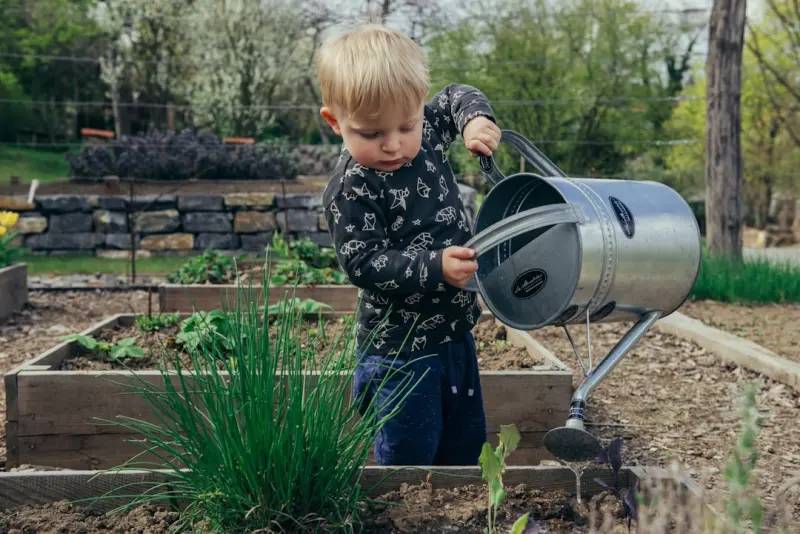
Smart Water Strategies: Turn Your Garden into a Sustainable Oasis
Learn how to capture rain, use smart irrigation, and build eco‑friendly garden features that keep ... Read More
Garden Desk Oasis: Turning Your Backyard into a Productivity Haven
Turn your backyard into a garden desk oasis and boost productivity, wellness, and home life with des... Read More
Top Posts
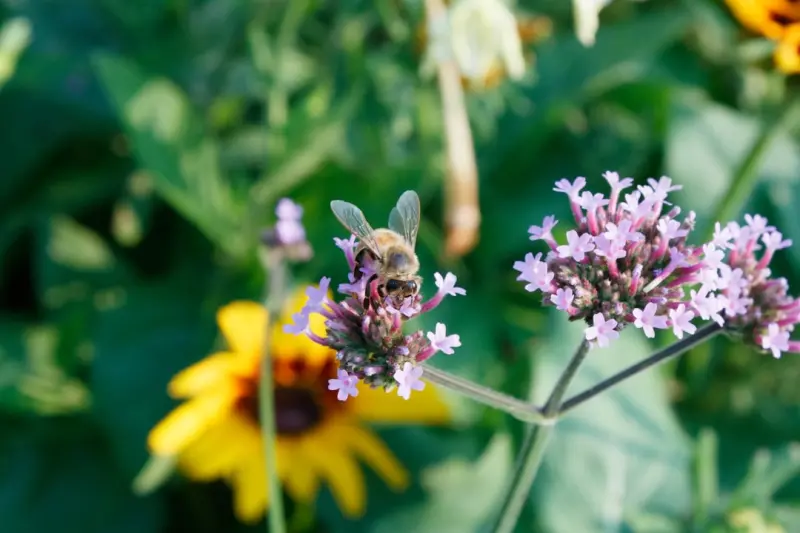
The Ultimate Guide to Building a Pollinator‑Friendly Garden That Boosts Biodiversity
Discover practical steps to design a pollinator‑friendly garden that supports bees, butterflies, and birds while enhancing your home's natural beauty....Read More
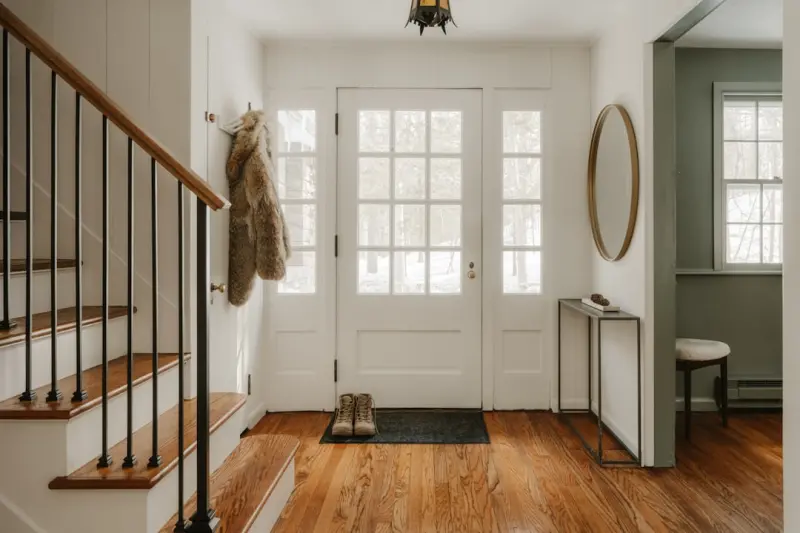
Transform Your Entryway into a Calm, Functional Welcome Zone
A well‑designed entryway can reduce stress and improve daily efficiency. Learn how to zone, light, store, scent, and personalize your hallway for a calm, func...Read More

Handcrafting Calm: How Tactile Creativity Reboots Your Brain
Explore the mental health benefits of handcrafting, from pottery to knitting, and learn practical ways to integrate tactile creativity into a busy lifestyle....Read More

Smart Lighting Hacks to Boost Home Mood and Focus
Learn how to use layered lighting, smart bulbs, strategic furniture flow, and simple acoustic upgrades to create a home that elevates mood, focus, and overall w...Read More
0 Comments
Post Comment
You will need to Login or Register to comment on this post!