
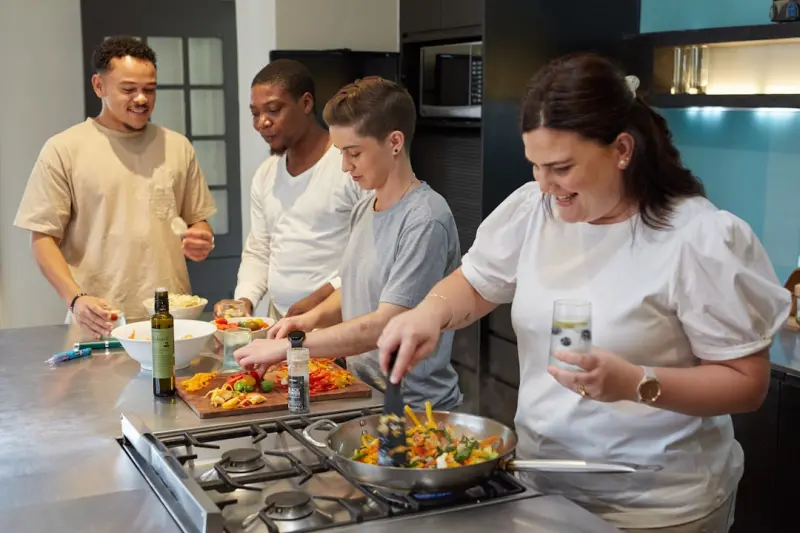
When I first set foot in a bustling night market in Taipei, I wasn’t chasing the perfect photo or ticking a landmark off a list. I was looking for a place where strangers become teachers, where a shared bowl of noodles can rewrite the story you tell yourself about the world. That moment sparked an idea that has guided every journey since: travel isn’t just about moving from point A to B; it’s about immersing yourself in the communal kitchens of the places you visit.
Why Community Kitchens Matter More Than Tourist Menus
Most travel guides will hand you a list of “must‑try dishes” and the nearest restaurant that serves them. While that approach satisfies a fleeting curiosity, it rarely touches the heart of a culture. In a community kitchen, you’re not a passive observer—you become an active participant. You learn the rhythm of a local’s day, the stories that simmer in a broth, and the unspoken etiquette that governs a shared table.
These kitchens exist in many guises: a family home opening its doors for a “cooking night,” a cooperative space where locals teach traditional recipes, or even a pop‑up market where vendors invite travelers to help prep their stalls. By stepping into these spaces, you gain a passport that no visa can grant—a deeper, more authentic connection to the people who call the place home.
Finding the Hidden Kitchens
The first step is to look beyond the glossy brochures. Here are three tactics that have consistently led me to genuine culinary collaborations:
- Tap local social networks. Platforms like WeChat groups, community Facebook pages, or neighborhood forums often announce cooking workshops or “potluck” gatherings. A quick search in the city’s name plus “cooking class” can reveal hidden gems not listed on mainstream sites.
- Visit farmer’s markets early. Vendors are usually eager to share recipes that feature their freshest produce. Strike up a conversation, and you might be invited to a neighbor’s kitchen for a post‑market meal.
- Stay with hosts on homestay platforms who highlight “cooking together” in their profiles. These hosts often view food as a cultural bridge and will gladly guide you through a family recipe.
When you finally walk into a kitchen buzzing with activity, leave your preconceptions at the door. Bring an open mind, a willingness to get your hands dirty, and a respectful curiosity about the rituals that shape each dish.
What You Learn When You Cook With Locals
Beyond the obvious skill of mastering a new recipe, these experiences teach you subtler lessons that reshape your worldview:
- Patience and Timing. Many traditional dishes rely on slow cooking, long rests, or precise moments that can’t be rushed. Watching a grandmother stir a stew for hours teaches you that some flavors—like relationships—need time to develop.
- Resourcefulness. In regions where certain ingredients are scarce, locals improvise with what’s on hand. Learning to substitute a local herb for a familiar spice not only expands your culinary toolkit but also mirrors the adaptability required in any new environment.
- Community Values. The way a kitchen is organized—who chops, who seasons, who washes—reveals cultural attitudes toward hierarchy, collaboration, and hospitality.
These insights linger long after you return home, influencing how you approach challenges, interact with colleagues, and even design your own living spaces.
Turning Kitchen Time Into a Travel Narrative
Traditional travel blogs often follow a linear path: destination → attraction → reflection. In my practice, the narrative arc is shaped by the dishes I help create. Each recipe becomes a chapter, each shared laugh a footnote. When I later write about the trip, I structure the story around the meals:
- The first spoonful. What surprised you about the flavor profile? How did it differ from what you expected?
- The conversation that simmered alongside the dish. What stories did your host share about their family or community?
- The lesson learned. How does this cooking experience echo a broader theme—perhaps resilience, generosity, or sustainability?
This method gives the reader a visceral sense of place, and it sidesteps the overused “top 10 must‑see spots” format that saturates the travel blogosphere.
Practical Tips for the Kitchen‑Curious Traveler
To make the most of these immersive experiences, consider the following checklist (not the usual “what to pack” kind):
- Bring a small, reusable notebook. Jot down ingredient names, techniques, and any cultural anecdotes. This becomes a personal culinary journal you can reference later.
- Learn a few key phrases. Even a simple “How much salt?” or “May I help?” in the local language signals respect and willingness to engage.
- Pack a versatile kitchen tool. A compact, stainless‑steel whisk or a small, foldable cutting board can be a thoughtful gift for a host and shows you’re prepared to roll up your sleeves.
- Respect dietary restrictions. If you’re vegetarian, vegan, or have allergies, communicate early. Many hosts are eager to adapt recipes and will appreciate the transparency.
- Offer to share a dish from home. Bringing a small, non‑perishable snack from your country can spark a delightful exchange of flavors and stories.
Connecting Kitchen Experiences to Broader Travel Goals
Immersive cooking isn’t just a culinary adventure; it aligns with many modern travel aspirations:
- Sustainable tourism. By sourcing food locally and supporting community-run kitchens, you reduce the carbon footprint associated with imported meals and large‑scale restaurants.
- Cultural empathy. Engaging in the act of cooking breaks down the “tourist‑local” barrier, fostering mutual respect and understanding.
- Personal growth. The challenges of new techniques and unfamiliar ingredients boost confidence and adaptability—skills that translate to professional and personal realms.
Case Study: A Night in Oaxaca’s Communal Kitchen
Last autumn, I accepted an invitation from a host in Oaxaca, Mexico, to join a “tlayuda night.” Tlayudas are massive, crispy tortillas topped with beans, cheese, and a variety of local toppings. The host’s family prepared the dough from scratch, a process that required a rhythmic pounding that turned the kitchen into a percussive performance.
While the dough rested, we gathered fresh herbs from the backyard garden. The host explained how each herb—epazote, cilantro, and hoja santa—carries a symbolic meaning: epazote for protection, cilantro for purification, and hoja santa for blessing. As we assembled the tlayudas, the conversation shifted from cooking techniques to stories of the family’s migration history, their connection to the land, and the role of food in preserving cultural identity.
That night, I left not only with a belly full of flavor but also with a deeper appreciation for how food functions as a repository of collective memory. I later referenced this experience in a post about travel experiences that teach you something new, illustrating how a single shared meal can become a conduit for lifelong learning.
How to Share Your Kitchen Stories Online Without Falling Into the Same Old Tropes
When you return home, you’ll likely feel the urge to share your experiences on social media. To keep your storytelling fresh, try these approaches:
- Focus on the process, not just the final plate. Include photos of hands at work, the textures of ingredients, and candid moments of laughter.
- Quote your host. A short, authentic line from the person you cooked with adds voice and authenticity.
- Link to resources. Direct readers to a recipe you learned, or to the community kitchen’s website if they wish to explore further. This not only provides value but also supports the hosts.
- Reflect on the personal impact. Explain how the experience altered your perspective, perhaps connecting it to larger themes like sustainability or cultural humility.
By centering the narrative on collaboration and learning, your posts stand out amid the sea of “top 10 food spots” lists and become a source of inspiration for others seeking deeper connections.
Integrating Kitchen Adventures Into a Larger Travel Plan
Even if you’re on a tight schedule, you can weave community cooking into your itinerary. Here’s a sample one‑week outline for a city known for its culinary heritage—Lisbon, Portugal:
- Day 1–2: Explore historic neighborhoods, and on the evening of Day 2, join a local family for a “bacalhau” cooking session.
- Day 3: Attend a market tour where a chef shows how to select fresh fish and then invites you to a pop‑up kitchen.
- Day 4–5: Take a short trip to a nearby vineyard that offers a cooking workshop using locally sourced produce.
- Day 6: Participate in a community “sopa de pedra” (stone soup) event in a neighborhood park.
- Day 7: Reflect on the week’s experiences, document recipes, and plan how to integrate the lessons into your daily cooking at home.
Notice how each culinary encounter is intentionally placed to deepen your immersion without feeling forced. This structure ensures you experience the city’s flavors organically, while also leaving room for spontaneity.
Beyond Food: The Ripple Effects on Other Aspects of Travel
Immersive cooking can also open doors to non‑culinary adventures. While preparing a meal, you might learn about a local festival, a hidden hiking trail, or a volunteer opportunity that aligns with your interests. In one of my trips to Kerala, India, a cooking session led to an invitation to join a traditional boat race the following morning. The shared meal had built enough trust for the host to extend that invitation.
These serendipitous moments underscore a vital truth: when you invest in genuine human connection through food, the world unfolds in unexpected ways.
Final Thoughts: Let the Kitchen Be Your Compass
Travel is often marketed as a series of checkboxes—see the landmark, try the dish, take the photo. I propose a different compass: let the community kitchen guide your journey. By stepping into the heart of a home, you discover flavors, stories, and values that no guidebook can capture. You return not just with souvenirs, but with a richer sense of self and a deeper appreciation for the interconnectedness of cultures.
If you’re ready to reimagine your next adventure, start by asking: Which kitchen am I invited into next? The answer could lead you to flavors you’ve never imagined, friendships that last a lifetime, and a travel narrative that feels as nourishing as the meals you share.
For more ideas on how to blend personal growth with travel, you might enjoy exploring why laughter can be the simplest health prescription. And if you’re curious about turning everyday moments into larger adventures, check out turning everyday commutes into pocket adventures.

Mei Chen is a dynamic professional who brings a unique blend of skills to Blogging Fusion. As a key contributor to the Blogging Fusion platform, she leverages her writing expertise to create engaging content that resonates with our audience.
Related Posts

The Renaissance of Train Travel: Why Rails Are the New Frontier
Discover why train travel is resurging as a sustainable, scenic, and work‑friendly alternative to ... Read More

The Art of Unplugged Adventures: Reclaiming Travel in a Hyper‑Connected World
Lauren Miller shares her personal journey of traveling without a smartphone, offering practical step... Read More

Culinary Mapping: Building a Personal Flavor Atlas on the Road
A flavor atlas transforms travel memories into a searchable map of taste, linking sensory notes, cul... Read More
Top Posts

Quiet Corners: Mastering Home Acoustics for Calm Living
Discover practical ways to quiet a noisy home—from soft surfaces and acoustic panels to smart sound management—creating a peaceful sanctuary for work, rest,...Read More

Harvesting Ideas: How Creative Professionals Turn Travel Into Fresh Inspiration
A guide for creatives on turning travel into a productive idea‑harvest, featuring purpose‑driven itineraries, digital detox tips, community engagement, and ...Read More
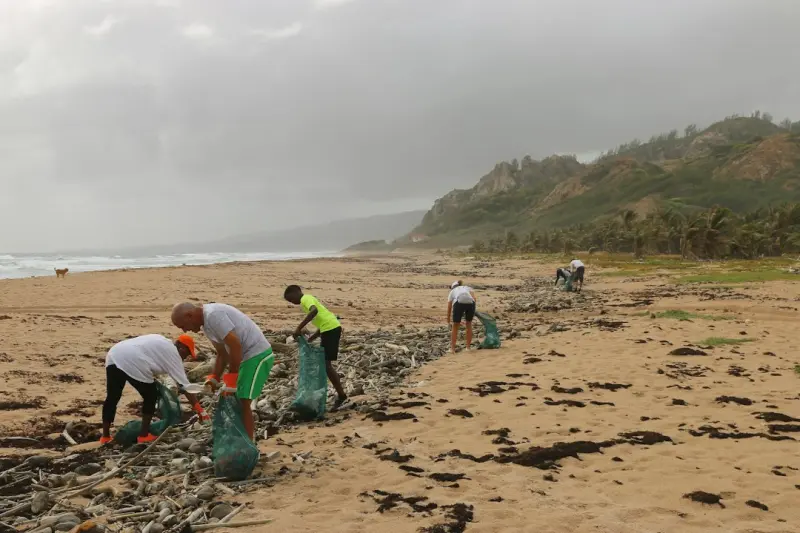
Eco‑Volunteering: Turning Travel Into a Force for Good
Eco‑volunteering blends adventure with meaningful service, offering travelers a way to leave a positive legacy while exploring new cultures and environments....Read More

The Internal Talent Marketplace: Unlocking Agility and Growth
An internal talent marketplace turns static job roles into a dynamic skill economy, enabling faster project staffing, higher employee engagement, and greater or...Read More
0 Comments
Post Comment
You will need to Login or Register to comment on this post!