
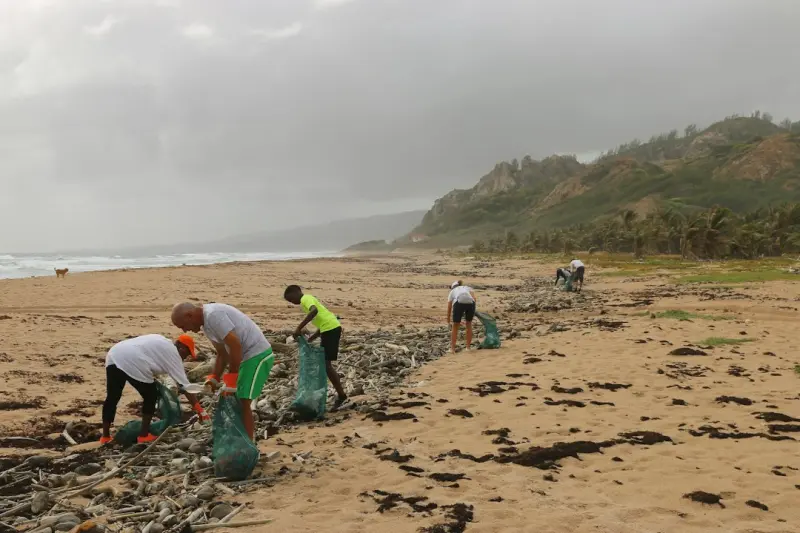
Why Eco‑Volunteering Is the Future of Travel
When I first booked a trip to the Andes, I imagined breathtaking vistas, exotic cuisine, and the thrill of stepping off a plane into a world far from my daily routine. What I didn’t anticipate was the profound sense of purpose that would bloom when I swapped sightseeing for hands‑on conservation. That shift—from passive observer to active contributor—has reshaped my entire travel philosophy, and I’m convinced it’s the direction savvy, socially‑conscious travelers are heading.
The Gap Between Wanderlust and Impact
Traditional tourism has long been a double‑edged sword. On one side, it fuels local economies, creates jobs, and fosters cultural exchange. On the other, unchecked visitor influx can strain resources, erode habitats, and dilute heritage. The paradox is clear: we crave authentic experiences, yet our footprints often leave unintended scars.
Enter eco‑volunteering. By pairing travel with structured, measurable service projects—whether replanting mangroves, teaching digital literacy, or supporting wildlife rehabilitation—travelers can transform leisure into legacy. This isn’t just feel‑good altruism; it’s a strategic alignment of personal growth with planetary stewardship.
Choosing the Right Project: A Checklist
- Alignment with personal values – Pick a cause that resonates deeply. If marine ecosystems call to you, seek coastal restoration programs.
- Credible partners – Vet NGOs or community groups. Look for transparent reporting, local leadership, and a track record of tangible outcomes.
- Skill compatibility – Some projects thrive on specific expertise (e.g., engineering for water systems), while others welcome enthusiasm and a willingness to learn.
- Duration and commitment – Short‑term stays (one week) can still be impactful if tasks are well‑defined; longer residencies allow deeper immersion.
- Environmental safeguards – Ensure the initiative follows best practices to avoid “voluntourism” pitfalls such as invasive species planting or cultural insensitivity.
Designing a Sustainable Itinerary
Integrating volunteering into a broader travel plan requires careful logistics. Here’s a framework I use for every trip:
- Research the destination’s pressing needs. Local news outlets, government reports, and community forums reveal where assistance is most urgent.
- Map out the volunteer hub and surrounding attractions. This prevents back‑and‑forth travel that spikes carbon emissions.
- Choose low‑impact transport. Whenever possible, opt for rail or bus connections between the volunteer site and tourist spots. The recent surge in train travel resurgence makes it easier than ever to replace short‑haul flights with greener alternatives.
- Secure accommodation that supports the local economy. Family‑run guesthouses or eco‑lodges keep money circulating within the community.
- Plan “buffer days” for rest, reflection, and spontaneous exploration. Over‑scheduling kills the very mindfulness eco‑volunteering aims to cultivate.
Case Study: Reforestation in the Philippines
Last winter I joined a three‑day mangrove planting expedition in Palawan. The organization provided a brief ecological briefing, assigned each volunteer a plot, and equipped us with native saplings. By the end of the day, we had planted over 200 trees, each capable of sequestering up to 1,000 kilograms of CO₂ over its lifetime. Beyond the numbers, the most rewarding moment came when a local schoolteacher explained how the restored mangroves would protect fishing grounds and buffer storm surges for her students’ families.
This experience highlighted three core benefits of eco‑volunteering:
- Tangible environmental outcomes—the trees are a visible, lasting contribution.
- Community connection—direct dialogue with residents fosters mutual respect.
- Personal transformation—participating in stewardship rewires the way we view travel, shifting from consumption to co‑creation.
Balancing Adventure with Service
One common misconception is that volunteering limits the “fun” factor of travel. In reality, the two can reinforce each other. Consider the flavor trails you discover while riding a bicycle through a rural French village after a morning of vineyard restoration. The sense of achievement amplifies the pleasure of tasting fresh, locally‑sourced cheese, and the stories you gather become richer than any guidebook entry.
Here are a few tips to keep the adventure alive:
- Blend service with local experiences. After a beach cleanup, join a community cooking class to learn how the rescued coastline sustains traditional dishes.
- Document responsibly. Use photography and journaling to capture moments without intruding on the work at hand.
- Stay flexible. Weather, tides, or community needs may shift schedules—embrace the spontaneity.
Measuring Impact: From Anecdotes to Data
Impact measurement is crucial for credibility and personal satisfaction. Many organizations now provide post‑project reports that include:
- Number of volunteers and hours contributed.
- Ecological metrics (e.g., hectares reforested, waste diverted).
- Social outcomes (e.g., community members trained, income generated).
When you see a graph showing a 15% increase in local fish populations after a mangrove restoration, the abstract concept of “doing good” becomes concrete. Moreover, tracking your own carbon footprint—using tools that calculate emissions from flights, accommodations, and local transport—helps you offset any unavoidable impact.
Safety and Ethical Considerations
Good intentions aren’t enough. Ethical eco‑volunteering requires awareness of power dynamics. Here are red flags to watch for:
- Projects that promise “instant results” without scientific backing.
- Programs that charge high fees while offering minimal local benefit.
- Activities that place volunteers in unsafe environments without proper training.
Always ask: Who benefits most? Are local voices leading the decision‑making? Does the initiative have a long‑term sustainability plan? If the answer feels shaky, keep looking.
Integrating Technology for Smarter Service
Tech tools are making eco‑volunteering more efficient. Mobile apps now allow volunteers to log hours, track tree growth via QR codes, and receive real‑time feedback from project coordinators. Some platforms even gamify participation, awarding badges for milestones like “100 hours of coastal cleanup.” These innovations not only enhance transparency but also build a global community of like‑minded travelers who can share best practices.
Future Trends: What’s on the Horizon?
As climate anxiety rises, I anticipate three major trends shaping eco‑volunteering:
- Hybrid experiences that blend remote work with short‑term service, allowing digital nomads to contribute without abandoning their careers.
- Regenerative tourism packages curated by travel agencies that guarantee a net‑positive impact—think “pay‑to‑plant” flight credits.
- Community‑led verification using blockchain to certify that funds and volunteer hours truly reach the intended beneficiaries.
These developments signal a shift from “tourist‑plus” to “tourist‑equals‑partner,” where every journey is a collaborative project.
Getting Started: Your First Eco‑Volunteering Adventure
If you’re ready to make your next trip count, follow these steps:
- Identify a cause that sparks curiosity—be it wildlife, clean water, or cultural preservation.
- Research reputable NGOs using platforms like VolunteerMatch or local consulates.
- Plan logistics early. Secure visas, vaccinations, and travel insurance that covers volunteer activities.
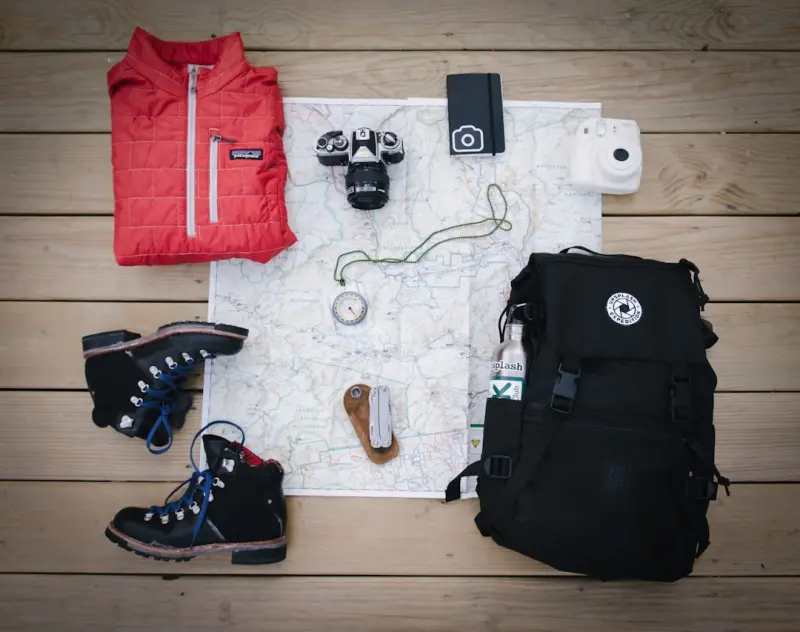
- Pack responsibly. Bring reusable containers, biodegradable toiletries, and a sturdy pair of boots for fieldwork.
- Stay open‑minded. Expect to learn, adapt, and sometimes step outside your comfort zone.
Remember, the most rewarding journeys are those where the line between traveler and contributor blurs, creating a shared narrative of stewardship and discovery.
Conclusion: Travel as a Force for Good
Travel has always been about expanding horizons, but the era of “travel for transformation” is here. By weaving eco‑volunteering into your itineraries, you not only enrich your own experience but also plant seeds—literally and figuratively—that will grow long after you board your return flight. The world is vast, the challenges are real, and the opportunity to make a difference is within reach. All it takes is the choice to step beyond the postcard and into the field.

Mei Chen is a dynamic professional who brings a unique blend of skills to Blogging Fusion. As a key contributor to the Blogging Fusion platform, she leverages her writing expertise to create engaging content that resonates with our audience.
Related Posts
Travel Minimalism: How to Pack Light and Experience More
Discover the art of travel minimalism with practical packing strategies, versatile gear tips, and re... Read More

When the Unexpected Becomes the Highlight: Embracing Travel Detours
Travel’s most memorable moments often come from surprise detours. This article explores the scienc... Read More

Embracing Unplanned Detours: The Secret Engine for Creative Breakthroughs
Explore how embracing unexpected detours during travel fuels creativity, improves well‑being, and ... Read More
Top Posts

Ritualizing Personal Care to Supercharge Remote Performance
A deep dive into turning everyday personal care routines—skin shielding, hand hygiene, and posture checks—into measurable performance enhancers for remote w...Read More

Quiet Corners: DIY Acoustic Hacks for a Calmer Home
Learn practical, low‑cost ways to improve your home’s sound environment—from soft surfaces and DIY panels to strategic furniture placement—creating quie...Read More

Why Data Literacy Is the New Core Skill Every Employee Needs
Data literacy is reshaping workplaces. Learn how to embed it into your career strategy, boost performance, and stay ahead in the evolving job market....Read More

When the Road Becomes a Canvas: Crafting a Sensory‑Rich Travel Experience
Explore a fresh travel approach that goes beyond sight, using aroma, sound, taste, touch, and subtle movement to create lasting, multi‑dimensional memories....Read More
0 Comments
Post Comment
You will need to Login or Register to comment on this post!