

Why Every Journey Deserves a Narrative Lab
Travel isn’t just about ticking off destinations; it’s a living laboratory where you can experiment with perception, memory, and creativity. I’ve spent years hopping between conference rooms, coffee‑shop co‑working hubs, and the occasional hidden beach. Each shift in scenery sparked a question: What if I treated every trip like a personal narrative lab? In this post, I’ll walk you through the mindset, tools, and rituals that turn ordinary travel into an evolving story you can revisit, remix, and share.
The Power of Narrative in Motion
Stories are how our brains organize experience. When you frame a trip as a story, you automatically become more observant, more present, and more inclined to capture the moments that matter. This narrative‑first approach does three things:
- Deepens engagement. You stop drifting from one Instagram snap to the next and start noticing the subtle textures that make a place unique.
- Creates memory anchors. By assigning characters, conflicts, and resolutions to your experiences, you build vivid mental bookmarks that last longer than a photo album.
- Fuels creative output. Whether it’s a sketch, a poem, or a short video, a story framework gives you a ready‑made structure to express what you felt.
Step 1: Set an Intentional Theme Before You Go
Before you book a flight or hop on a train, decide on a theme that will guide your observations. This could be as broad as “exploring local craftsmanship” or as specific as “the rhythm of market sounds at dusk.” The key is to pick something that excites you and is broad enough to surface in unexpected places.
For instance, on a recent trip to Lisbon, I chose the theme “echoes of maritime history.” This lens led me to notice the faded tiles in Alfama, the salt‑kissed air at the waterfront, and even the way a bartender described the old shipyards while mixing a gin cocktail. The theme acted like a compass, pointing me toward details I would have otherwise missed.
Step 2: Equip Your Narrative Toolkit
Modern travel tech makes it easy to capture moments, but the real magic lies in a balanced blend of analog and digital tools. Here’s a starter kit I rely on:
- Mini notebook (or digital note app). Jot down observations, snippets of dialogue, or a quick doodle. The act of writing engages different neural pathways than typing.
- Compact sketch pad and pen. Even if you’re not an artist, simple line drawings can capture shapes and moods that words miss.
- Voice recorder. Record ambient sounds, a street performer’s song, or a brief interview with a local. These audio snippets become auditory anchors for later storytelling.
- Smartphone camera with manual settings. Take a few intentional photos (focus, exposure, composition) to complement your notes rather than replace them.
Step 3: Capture the “Sensory Beats” of Your Trip
Every place has a unique rhythm—its “sensory beats.” While the blog post Travel as a Sensory Storytelling Canvas explored the idea of using senses to tell stories, this section drills down on how to actually capture those beats in the field.
- Sound: Press record for 30 seconds of ambient noise at a bustling market. Later, you’ll recognize that the clatter of plates and the call of vendors set the scene.
- Smell: Note the aroma of fresh bread, sea breeze, or incense. Smell is a powerful memory trigger—pair it with a short phrase in your notebook.
- Taste: Describe the texture of a street‑food taco or the bitterness of a local coffee. A quick flavor note adds depth to any travel narrative.
- Tactile: Feel the stone of an ancient wall, the coolness of a river stone, or the roughness of a woven rug. Write down the sensation in a single word.
Step 4: Turn Micro‑Moments into Macro‑Stories
Even the shortest commute can become a narrative seed. Remember the post turn everyday commutes into pocket adventures? It taught us that a 15‑minute train ride can be a mini‑expedition. Apply that principle: treat every pause—waiting for a bus, a coffee line, a restroom break—as a chance to collect detail.
Ask yourself:
- Who are the people around me, and what might their story be?
- What conflict is unfolding? (A crowded market, a delayed train, a sudden rainstorm.)
- How does this moment resolve? (A shared laugh, an unexpected shortcut, a hidden café discovered.)
By stitching together these micro‑episodes, you build a layered macro‑story that feels richer than any single highlight.
Step 5: Reflect and Remix While Still on the Move
Instead of waiting until you’re back home, spend a few minutes each evening reviewing your notes. Highlight the most vivid lines, sketch a quick map, or record a short voice memo summarizing the day’s “plot twist.” This habit does two things:
- Reinforces memory. The act of recall solidifies details in long‑term memory.
- Identifies narrative arcs. You may notice a recurring motif—like “water” or “music”—that can become a thread through the entire trip.
Consider this a personal “travel lab notebook” where each entry is an experiment, and the evening reflection is your data analysis.
Step 6: Create a Shareable Narrative Piece
When the journey ends, you have a treasure trove of material. Choose a format that aligns with your strengths and the story you want to tell. Here are a few ideas:
- Mini‑essay series. Publish a weekly blog post that explores one theme per destination.
- Travel zine. Combine sketches, photos, and short prose into a printable booklet.
- Audio collage. Blend ambient recordings with narrated reflections for a podcast episode.
- Interactive map. Use a tool like StoryMap to attach notes, images, and sound bites to each location.
Whatever the medium, let the narrative lab approach guide you: start with observation, move through analysis, and end with creative synthesis.
Step 7: Use Curiosity as Your Engine
Curiosity is the fuel that keeps the narrative lab humming. The post cultivating curiosity highlighted how asking “why?” can sharpen mental resilience. On the road, ask yourself:
- Why does this street feel alive at night?
- Why does the local baker greet customers with a particular phrase?
- Why does the architecture seem to echo a different era?
These questions unlock deeper layers of the place and enrich your story.
Real‑World Example: A Narrative Lab in Kyoto
During a week‑long stay in Kyoto, I set my theme to “silence and space.” Each morning, I visited a different machiya (traditional townhouse) and recorded the creak of wooden floors, the scent of tatami, and a brief conversation with the owner about the house’s history. By day’s end, I had:
- Four detailed sketches of interior layouts.
- A 5‑minute audio collage of floorboards, distant temple bells, and a tea‑making ritual.
- A short essay titled “The Quiet Architecture of Memory,” which later became a featured piece on a travel magazine’s website.
The narrative lab turned a standard sightseeing trip into a deeply personal exploration of how built environments shape emotional landscapes.
Tips for Staying Consistent on the Road
Maintaining a narrative lab habit can be challenging when itineraries get hectic. Here are practical tricks:
- Set a daily “story alarm.” A 10‑minute reminder on your phone prompts you to capture that day’s highlights.
- Keep the notebook in sight. Attach it to your bag strap or keep it in a zip pocket you access often.
- Use voice-to-text. When writing isn’t possible, dictate notes to your phone and transcribe later.
- Pair with a habit. Link note‑taking to an existing habit, like drinking coffee or waiting for luggage.
The Long‑Term Benefits of a Narrative Travel Lab
Beyond immediate enjoyment, this practice builds lifelong skills:
- Enhanced observation. You become more attuned to details in everyday life, not just on vacations.
- Improved storytelling. The habit of structuring experiences translates to better communication at work and in personal relationships.
- Resilience. By framing challenges as plot twists, you develop a growth mindset.
In essence, every trip becomes a rehearsal for the larger story of your life.
Take the First Step Today
Pick your next destination—whether it’s a weekend road trip or a cross‑continent adventure—and decide on a single narrative theme. Pack a tiny notebook, a pen, and a curiosity‑driven mindset. Within a few days, you’ll notice the world unfolding with richer texture, and you’ll have a living story ready to share.

Amanda is a passionate writer exploring a kaleidoscope of topics from lifestyle to travel and everything in between.
Related Posts
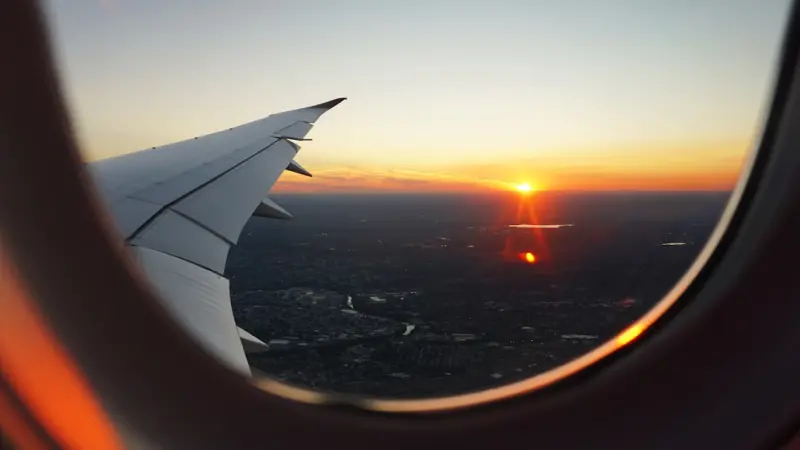
Traveling Light, Living Rich: A Business Traveler’s Guide to Capsule Packing and Experiential Flow
A business traveler’s roadmap to lighter luggage, smarter networking, and immersive micro‑experi... Read More
The Rise of Digital‑Nomad Hubs: Redefining Travel for the Hybrid Workforce
Digital‑nomad hubs are transforming travel from brief getaways into immersive, sustainable lifesty... Read More
Wander‑Wise: Curating a Portable Mind‑Gym for the Modern Nomad
Travel isn’t just about places; it’s about shaping a portable mindset. This post reveals a “mi... Read More
Top Posts
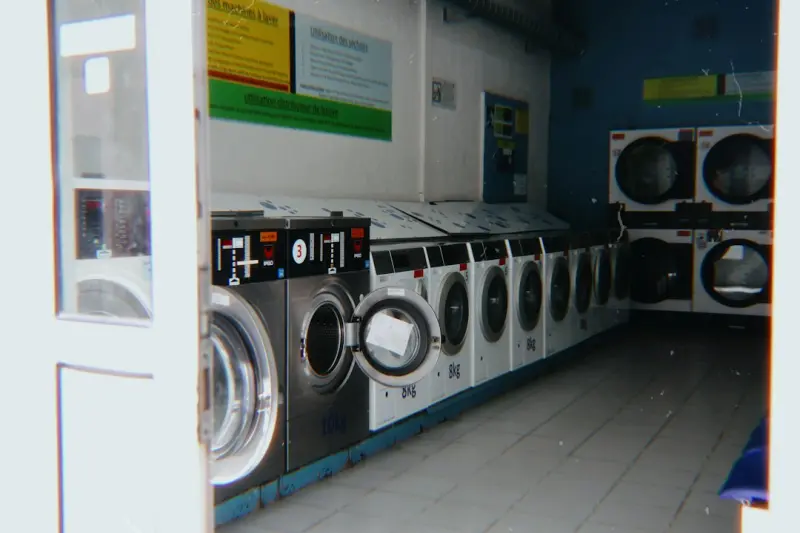
From Laundry to Lush: Turning the Utility Space into a Green Retreat
Transform your utility room into a thriving indoor garden with low‑light plants, smart lighting, and DIY design hacks, turning everyday chores into a calming,...Read More
Garden Desk Mastery: Turning Your Backyard into a Productive Oasis
Explore how turning a backyard spot into a garden desk can boost productivity, health, and creativity, with practical design tips and inspiring real‑world suc...Read More

Pet‑Friendly Garden Design: Style Meets Function for Your Furry Companions
Learn to design a chic, pet‑friendly garden that blends safety, durability, and aesthetics, turning your backyard into a stylish haven for both humans and fur...Read More

AI‑Guided Ethical Design: Building Trust from the Ground Up
Explore how AI-driven scenario modeling, bias detection, and value alignment can make ethical considerations a natural part of product design, helping teams bui...Read More
0 Comments
Post Comment
You will need to Login or Register to comment on this post!