
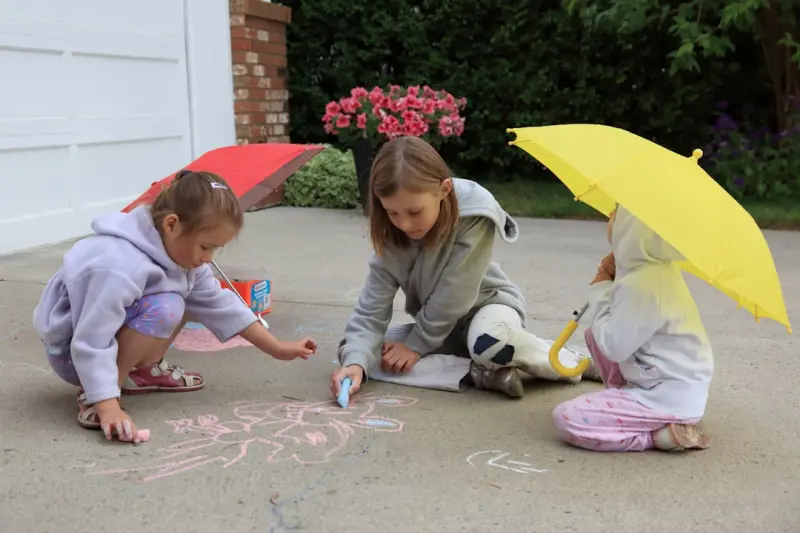
Why Turn Your Backyard Into an Outdoor Classroom?
Imagine a space where the garden beds double as science labs, the patio becomes a storytelling arena, and every breeze carries a lesson about ecosystems – that’s the power of an outdoor classroom, a hands‑on learning hub that blends play with discovery while the soil underfoot grounds children in real‑world concepts; this approach nurtures curiosity, reinforces school topics, and builds a lifelong love for nature without ever needing a formal indoor setup. Parents and educators alike are discovering that the backyard’s natural rhythms provide a dynamic curriculum that adapts with the seasons, offering a continuous loop of observation, experimentation, and reflection that static textbooks simply cannot match. By repurposing everyday garden elements into interactive stations, families can transform ordinary weekends into rich educational adventures that foster critical thinking, responsibility, and environmental stewardship.
The Multi‑Layered Benefits for Kids and Adults
Research shows that children who regularly engage with nature develop stronger motor skills, heightened attention spans, and improved social‑emotional health, and an outdoor classroom amplifies these gains by turning chores into collaborative projects where every seed planted becomes a data point in a living experiment; adults, too, reap the reward of reduced stress levels and a deeper connection to the food they grow, creating a shared sense of purpose that bridges generational gaps. Moreover, this immersive setting supports interdisciplinary learning—math appears in measuring plot dimensions, language arts in journaling observations, and art in sketching leaf patterns—making education a seamless, enjoyable part of daily life. The result is a vibrant, self‑sustaining ecosystem of knowledge that fuels curiosity long after the school bell rings.
Selecting the Perfect Spot Without Overhauling Your Landscape
Start by scouting a sunny corner that receives at least six hours of daylight, yet offers shade during peak afternoon heat, because a balanced light environment ensures both plant health and comfortable learning conditions; consider proximity to a water source to simplify irrigation and a flat surface for setting up tables or benches, while keeping pathways clear for safe movement. If space is limited, think vertically—hanging planters, trellises, and tiered garden beds can create layered learning stations without sacrificing square footage, and repurposing an old shed or pergola provides a sheltered nook for rainy‑day lessons. By mapping out the area with chalk or tape, you can visualize traffic flow, designate zones for science, art, and reading, and ensure that each station is accessible to children of varying ages and abilities.
Designing Natural Learning Stations That Spark Inquiry
Each station should center on a tactile, inquiry‑driven activity: a compost corner where kids monitor decomposition, a pollinator garden with labeled flowers that attract bees and butterflies, and a weather station featuring a rain gauge and wind vane crafted from reclaimed materials; these hubs turn abstract concepts into concrete experiences, inviting learners to ask “why” and “how” while gathering real data. To keep costs low and sustainability high, use reclaimed wood for benches, repurpose old pallets for raised beds, and incorporate upcycled materials that double as educational tools—think a vintage milk crate transformed into a seed‑sorting tray. Pair each station with simple, printable worksheets or observation logs, encouraging children to record measurements, sketch findings, and reflect on patterns over time, thereby turning playtime into a structured yet flexible learning adventure.
Weaving Seasonal Curriculum Into the Garden Cycle
Align your outdoor lessons with the natural calendar: in spring, explore germination and life cycles by planting beans and tracking sprout growth; summer offers opportunities for studying pollination, heat tolerance, and water conservation, where kids can experiment with shade cloths and track soil moisture using basic tools; autumn becomes a harvest festival for math exercises in weighing produce, while also introducing concepts of composting and soil regeneration; winter, even in milder climates, invites observation of dormant plants, bird feeding habits, and the science of frost, turning the garden into a living lab year‑round. By syncing classroom topics with what’s happening outdoors, you reinforce academic content, provide real‑time data for science projects, and nurture a sense of rhythm that helps children anticipate and respect natural cycles.
DIY Low‑Cost Materials and Tools for a Sustainable Setup
Creating an outdoor classroom doesn’t require a hefty budget; many essential items can be crafted from items you already have—use old garden hoses to build a simple irrigation demo, repurpose a discarded chalkboard as a “question of the week” board, and turn mason jars into mini‑greenhouses for seed germination experiments; for those interested in a more tech‑savvy approach, the smart irrigation guide offers step‑by‑step instructions for building a low‑cost moisture sensor using Arduino, allowing kids to code and monitor soil health in real time. Additionally, gather natural materials like pine cones, rocks, and fallen branches for sensory bins, and enlist community members or local schools for material donations, turning the project into a collaborative effort that teaches the value of resourcefulness and community support.
Involving Kids in Ongoing Maintenance to Build Ownership
When children take part in daily garden chores—watering, weeding, and harvesting—they develop a sense of responsibility and pride that translates into better academic engagement and personal confidence; assign rotating “garden steward” roles, where each child leads a specific station for a week, documenting observations and presenting findings to the family, turning routine tasks into leadership opportunities. Encourage kids to design their own experiments, such as testing different mulch types or comparing plant growth under varied light conditions, and let them record results in a shared garden journal that becomes a living archive of collective learning. This hands‑on involvement not only reinforces the lessons taught but also cultivates a stewardship ethic that lasts far beyond the backyard’s borders.
Measuring Impact and Adjusting the Learning Experience
To gauge the effectiveness of your outdoor classroom, set clear, observable goals—like improved reading comprehension through nature‑based story time, or increased proficiency in basic math through harvest counting—and track progress using simple metrics such as journal entries, photo timelines, and periodic quizzes that relate directly to garden activities; involve children in the assessment process, letting them self‑evaluate and suggest enhancements, which empowers them to become co‑creators of their education. Periodically review which stations spark the most enthusiasm and which may need revamping, and be open to incorporating new themes based on seasonal changes or emerging interests, ensuring the space remains dynamic, relevant, and continuously inspiring. Over time, you’ll notice not just academic gains but also stronger family bonds, heightened environmental awareness, and a thriving backyard that serves as a living classroom for all ages.
Ready to Turn Your Backyard Into an Outdoor Classroom?
If you’re excited to blend play, learning, and sustainability in one vibrant space, start small—pick a corner, gather a few repurposed items, and let your children’s curiosity guide the design; as you see the garden come alive with questions, experiments, and seasonal wonder, you’ll discover a powerful, low‑cost avenue to enrich education while deepening your family’s connection to nature. Dive into the resources mentioned, experiment with the DIY projects, and share your journey with the community—every seed you plant today grows into tomorrow’s lifelong learner.

Jimmy Damon loves to right on a large scale of topics with all things Canadian as this Montreal die hard loves hockey. fishing and sports.
Related Posts
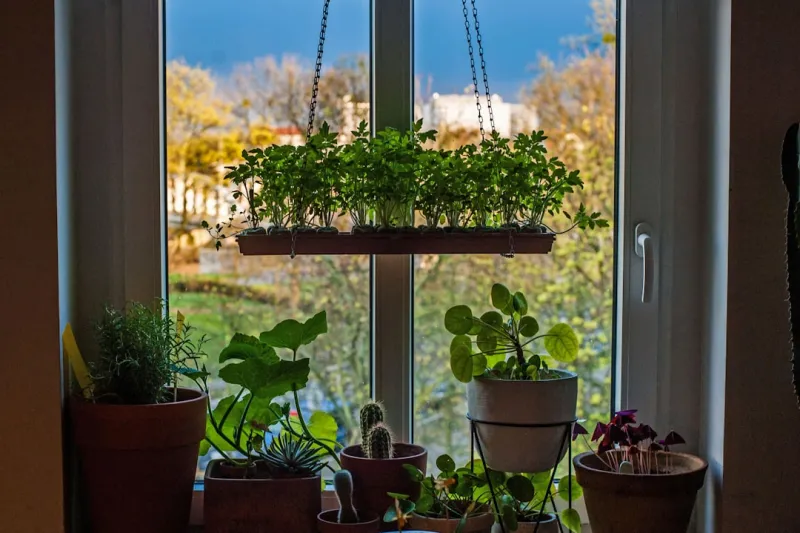
From Backyard to Boardroom: My Journey with a Garden Desk
Explore the rise of garden desks, blending nature with work, and learn practical tips to create a th... Read More
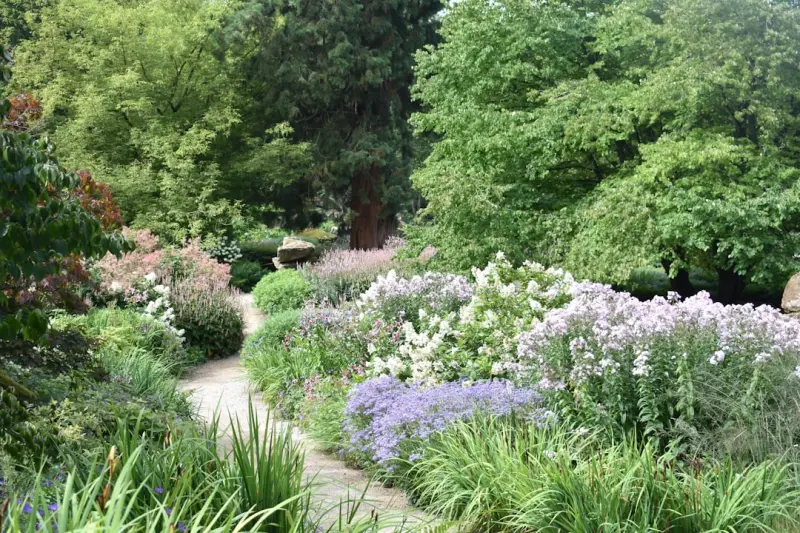
Edible Landscaping: Designing a Garden That Feeds the Soul and the Stomach
Discover the art of edible landscaping—combining visual appeal, sustainable food production, and t... Read More
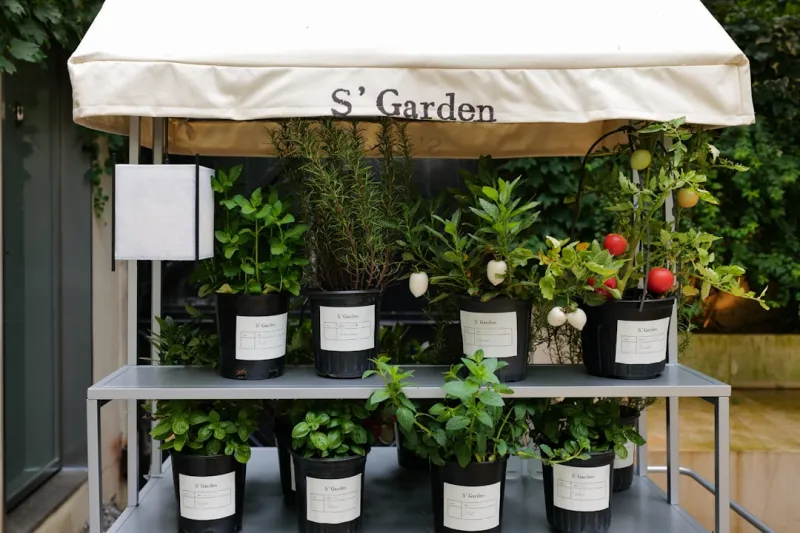
Why Garden Desks Are the Hottest Home & Garden Trend of 2026
Explore the 2026 garden desk craze: how to design, use, and future‑proof a backyard workspace that... Read More
Top Posts

Ink & Intention: How Journaling Elevates Personal Care
A reflective look at how daily journaling can become the missing link in your personal care routine, turning sensory experiences into lasting insights and foste...Read More

The Portable Workspace: How to Stay Productive While Traveling Light
Discover Tyler Johnson’s guide to building a lightweight, mobile office that lets you stay productive while exploring the world, with practical gear lists, da...Read More

AI‑Powered Personal Knowledge Bases: Harnessing Your Digital Brain
AI‑powered personal knowledge bases turn chaotic digital notes into a living insight engine, helping professionals retrieve, connect, and act on information f...Read More
AI Mentors at Work: Turning Personalized Learning Into Everyday Dialogue
An AI mentor goes beyond static training, offering real‑time, contextual learning that adapts to each employee’s workflow, fostering continuous growth and r...Read More
0 Comments
Post Comment
You will need to Login or Register to comment on this post!