
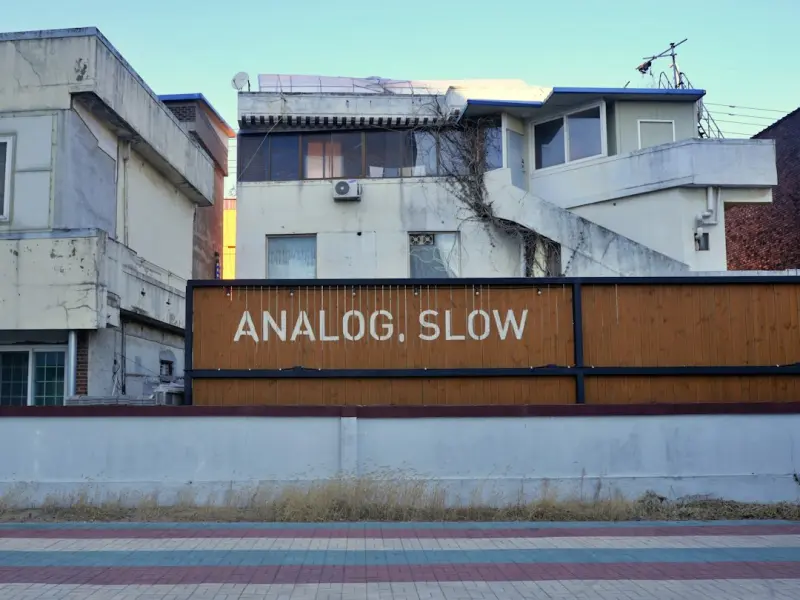
Why Curating Moments Beats Chasing Miles
When I first started hopping between continents, my passport looked like a colorful mosaic of stamps and my itinerary resembled a sprint. Over the years, the rush‑to‑cross‑off as many destinations as possible turned into a quiet rebellion: I began to treat each journey as a chapter rather than a checklist. The shift wasn’t about buying a first‑class ticket or staying in a five‑star resort; it was about deliberately choosing experiences that linger long after the plane’s wheels stop turning.
The Myth of “More is Better” in Modern Travel
Travel influencers often sell us the idea that a packed schedule equals a richer life. The logic sounds simple: more cities, more photos, more likes. Yet the reality is a fragmented collage of rushed breakfasts, missed sunsets, and a constant mental buzz that makes it hard to actually absorb any of it. When you’re perpetually looking at the next boarding gate, the present moment becomes a mere layover between two destinations.
My own turning point happened on a rainy afternoon in Lisbon. I was waiting for a delayed flight, watching the city drizzle through the terminal window, when a local woman offered me a cup of ginja—a sour cherry liqueur. We talked about the neighborhood’s hidden azulejos, the smell of sea‑salt in the air, and how the city’s rhythm changes with each tide. In that unplanned sip, I discovered a truth: the most memorable parts of travel are rarely scheduled.
Designing a “Moment‑First” Trip
Below is a framework I use whenever I draft a new adventure. Think of it as a recipe for a travel experience that feels less like a race and more like a conversation with a place.
- Identify a sensory anchor. Choose one sense—sight, sound, taste, touch, or smell—that you’ll chase throughout the trip. It could be the hum of a bustling market, the taste of a regional spice, or the feel of a particular stone under your feet.
- Set a single “anchor goal”. Instead of aiming to see “all the museums”, decide to experience “the city’s evening soundscape” or “the aroma of sunrise coffee”. This narrows focus and frees you from the tyranny of a packed schedule.
- Build in “pause pockets”. Allocate at least 30 minutes each day for unplanned wandering. No phone, no itinerary—just a chance to notice the world on its own terms.
- Pair each anchor with a personal ritual. If your anchor is scent, maybe you’ll journal the fragrance of each locale. If it’s sound, you could record a short audio clip and later craft a playlist.
- Leave room for serendipity. The best stories emerge from spontaneous encounters—a street performer, a shared meal, an unexpected rainstorm.
Case Study: A Sensory Journey Through Japan
Last fall I spent two weeks in Japan, but instead of hopping from Tokyo to Osaka to Kyoto in a blur, I let sound be my compass. I began each morning with a cup of matcha, listening to the soft clink of the bamboo whisk. In Kyoto, I lingered by the Kamo River, noting the cadence of water against stone. In Osaka, I sat on a rooftop bar and let the distant hum of neon signs blend with the low murmur of street vendors.
The result? A mental map more vivid than any Google map could produce. I could close my eyes in New York and instantly hear the gentle rush of the Kamo River, feel the cool brush of bamboo leaves, and taste the lingering bitterness of matcha. Those auditory cues became the glue that held the entire trip together, turning disparate cities into a cohesive narrative.
Technology as a Quiet Companion, Not a Master
Modern travelers often lean on apps for everything—from language translation to itinerary planning. While these tools are undeniably useful, they can also become a safety net that prevents us from truly immersing ourselves. I’ve found the sweet spot by treating technology as a quiet companion, one that supports rather than dictates the experience.
For instance, I use a simple smart personal care device to monitor my sleep and hydration while on the road. The data nudges me to pause when my body signals fatigue, ensuring I’m physically present for those sensory moments. The device never decides where I go; it merely reminds me to listen to the signals my body is already sending.
Travel‑Friendly Rituals to Deepen Connection
Integrating tiny, portable rituals can amplify the “moment‑first” mindset. Here are three I swear by:
- Micro‑journaling with scent. Carry a small vial of essential oil that reminds you of home. When you encounter a new aroma abroad, take a quick note of the scent, the location, and the emotions it sparks. Over time, you’ll have a fragrant archive of memories.
- Audio snapshots. Instead of a photo dump, record a 15‑second sound bite that captures the essence of a place—a market vendor’s chant, a temple bell, the whisper of wind through pine trees. Later, stitch these clips into a personal travel soundtrack.
- Touch‑based mindfulness. Keep a small, smooth stone from your hometown in your pocket. Whenever you feel rushed, run it between your fingers and focus on the sensation. It grounds you and subtly reminds you to engage with the textures of the world around you.
Why “Micro‑Adventures” Are the Future of Sustainable Travel
Big‑ticket trips to far‑flung destinations are wonderful, but they also carry a heavier carbon footprint and often demand a longer time away from home. Micro‑adventures—short, local getaways that can be slotted into a weekend—offer a compelling alternative. They satisfy the wanderlust while reducing environmental impact and allowing for deeper community connections.
Think of a three‑day hike in a nearby national park, a weekend in a historic small town, or a day‑long bike tour through a neighboring city’s art districts. Each micro‑adventure becomes a laboratory for testing the same sensory framework described earlier, but on a scale that fits into a busy professional’s calendar.
From “Travel as a Portable Lab” to “Travel as a Personal Narrative”
One of the recent posts on this blog explored turning trips into real‑world experiments. While I love the experimental mindset, I prefer to see travel as a way to write a personal narrative rather than a lab report. The difference lies in intention: experiments aim to answer a question; narratives aim to explore feeling.
By focusing on the story you want to tell yourself—whether it’s “I am a curious listener” or “I cherish the taste of the sea”—you give each journey a purpose that resonates beyond the immediate experience. This approach also aligns neatly with the growing trend of “travel as self‑care,” where the goal is not to accumulate souvenirs but to cultivate inner richness.
Practical Tips for Implementing a Moment‑First Travel Plan
Below is a checklist I’ve refined over a decade of globetrotting. Keep it handy on your next trip:
- Pre‑trip research: Instead of exhaustive lists of attractions, search for local sounds, aromas, or textures. Look for podcasts, local music playlists, or culinary blogs that highlight sensory elements.
- Pack light, pack mindfully: Bring a compact journal, a tiny recorder, and a favorite scent vial. Leave behind bulky guidebooks that can distract you from the present.
- Set “anchor alerts”: Use a simple reminder on your phone—something like “Listen” or “Scent”—to prompt you to engage the chosen sense at least twice a day.
- Disconnect strategically: Designate at least one hour each day to be device‑free. Use this time for a walk, a coffee, or simply sitting on a park bench and observing.
- Post‑trip reflection: After returning home, spend an hour reviewing your audio clips, scent notes, and journal entries. Compile them into a digital collage or a printed booklet. This solidifies the memories and makes them easier to revisit.
Learning from Other Travelers: A Few Voices
To illustrate how versatile the moment‑first approach can be, here are brief excerpts from fellow wanderers who have adopted a similar mindset:
“I traveled to Morocco with the intention of tasting every spice market’s perfume. I ended up bringing home a handful of spice‑scented postcards that remind me of each city’s flavor profile.” — Lara M., culinary blogger
“My family’s road trip across the Pacific Northwest was anchored by the sound of waterfalls. We recorded each cascade, and now we have a 30‑minute lullaby that takes us back to the forest whenever we need a calm moment.” — Javier L., tech entrepreneur
Linking Back to the Wider Ecosystem
For readers who love to blend technology with mindful travel, you might find this piece on making layovers work for you useful. It offers practical hacks for turning otherwise idle time into creative brainstorming sessions—perfect if you’re looking to sprinkle a little productivity into your sensory itinerary.
Additionally, if you’re curious about how small, connected devices can help you stay attuned to your body’s needs while on the move, check out the article on smart personal care. It explores wearable tech that quietly monitors hydration and sleep, ensuring you’re always ready for the next moment of wonder.
Wrapping Up: The Gift of Curated Moments
Travel will always be a dance between the external world and our internal landscape. By shifting the spotlight from “how many places can I check off?” to “what sensations will I carry home?” we unlock a richer, more sustainable form of exploration. It’s not about denying ambition; it’s about honoring the quiet, unforgettable details that turn a simple trip into a lifelong story.
So next time you’re planning a getaway, ask yourself: What single sense will be my compass? Then let the world reveal itself, one moment at a time.

Margaret Thomson is a seasoned freelance writer specializing in the dynamic worlds of marketing and advertising. With a career deeply rooted in the marketing field, Margaret brings a wealth of practical experience and insightful knowledge to her writing.
Related Posts
Culinary Cartography: Mapping the World Through Street Food
Travel becomes richer when food leads the way. This guide shows how to design a culinary-first itine... Read More
Travel with Purpose: How to Build a Bucket List That Reflects Your Core Values
Learn to craft a travel bucket list that mirrors your core values, turning each trip into a meaningf... Read More
The Art of Intentional Accidents: Turning Unplanned Detours into Travel Gold
Learn practical strategies for embracing unplanned travel, from micro‑adventures and local QR‑co... Read More
Top Posts
Scented Garden Paths: A Fragrant Blueprint for Small Outdoor Spaces
A scented garden path turns a modest outdoor area into a multisensory sanctuary, blending aromatic herbs, seasonal planting, and simple design tricks to boost w...Read More
Why Garden Desks Are the Hottest Trend Transforming Home & Garden Living
Explore the rise of garden desks, their design tips, productivity gains, and community impact, all while embracing a greener, more balanced lifestyle....Read More

Microbiome‑First Personal Care: How Gut Health Is Rewriting Your Beauty Routine
A deep dive into how balancing your gut microbiome can boost skin health, featuring practical probiotic foods, topical products, and sustainable refillable ritu...Read More
Redesigning the Workweek: How Project‑Based Sprints Empower Employees and Accelerate Business
A sprint‑centric workweek replaces the rigid five‑day schedule with focused, time‑boxed cycles, boosting employee engagement, creativity, and organization...Read More
0 Comments
Post Comment
You will need to Login or Register to comment on this post!