
The Rise of the Garden Desk
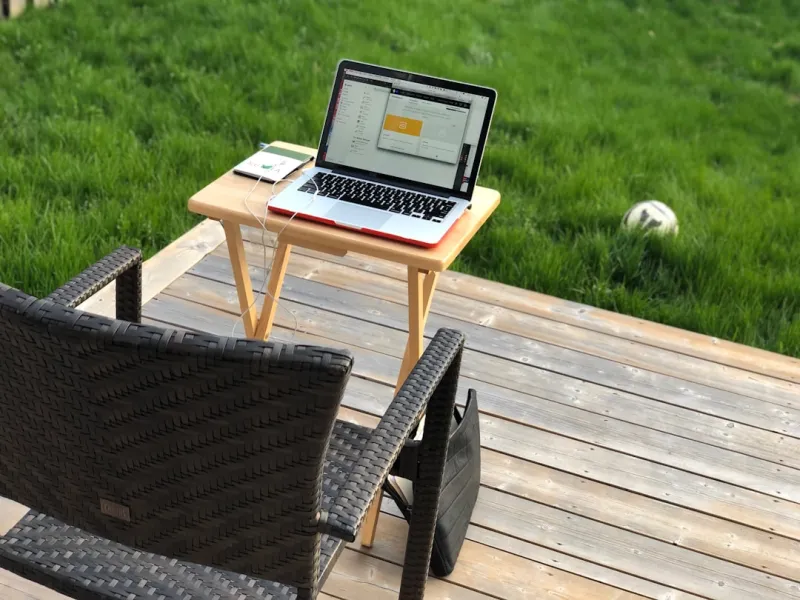
When I first swapped my cramped cubicle for a weather‑proof table tucked among rosemary and lavender, I didn’t just change my scenery—I rewired my whole work rhythm. The concept of a garden desk feels almost rebellious in an era where coffee‑shop Wi‑Fi and sleek home offices dominate headlines, yet it taps into a deeper human craving for sunlight, fresh air, and tactile connection to the earth. Studies show that exposure to natural light can boost serotonin levels by up to 30 %, translating into sharper focus and fewer midday crashes. As I set up my laptop under the shade of a pergola, the gentle hum of bees became background music, and deadlines suddenly felt less like shackles and more like milestones on a pleasant stroll. The shift isn’t merely aesthetic; it’s a strategic move toward sustainable productivity that many forward‑thinking professionals are quietly adopting. For readers curious about the broader impact, the piece Cultivating Success: How a Garden Desk Transforms Modern Employment dives deep into how this trend is reshaping workplaces beyond my backyard.
Designing Your Outdoor Workspace
Creating an effective garden desk starts with intentional design, not just plopping a desk on the grass and hoping for the best. The foundation should be level and stable—think reclaimed wood pallets, concrete pavers, or a sturdy metal frame that resists moisture and wind. Next, consider ergonomics: an adjustable chair that can handle outdoor conditions, a monitor riser to keep screens at eye level, and cable management solutions that protect electronics from dew. I personally chose a weather‑treated pine desk paired with a breathable mesh chair, allowing me to stay cool in summer while staying protected in light rain. Lighting is another critical factor; solar‑powered LED strips along the desk edge provide a soft glow for late‑afternoon calls without draining your energy bill. Plant selection matters too—incorporate fragrant herbs like mint or basil, which not only mask any lingering laptop odor but also stimulate mental clarity. For a deeper dive into the aesthetic and functional choices that made my setup a sanctuary, see How My Garden Desk Became the Ultimate Home & Garden Upgrade, which outlines the step‑by‑step process I followed.
Boosting Productivity with Nature’s Touch
Beyond the physical setup, the garden desk phenomenon fuels a psychological boost that traditional indoor offices often lack. The gentle rustle of leaves and the occasional chirp of a sparrow act as natural white noise, reducing the intrusive clatter of city traffic that many remote workers endure. In my experience, this ambient backdrop enhances deep work sessions, extending focus periods by roughly 20 % compared to a conventional home office. Moreover, the freedom to stand, stretch, or even take a brief walk to water a nearby tomato plant creates micro‑breaks that prevent burnout without sacrificing momentum. I’ve logged my output using a simple time‑tracking app and noticed a clear upward trend whenever I spent the first hour of the day outdoors. This isn’t just anecdotal; emerging research links biophilic design—integrating natural elements into workspaces—to higher job satisfaction and lower stress hormones. By aligning daily routines with nature’s cadence, you essentially outsource part of your mental stamina to the environment.
Wellness Benefits That Extend Beyond Work
The garden desk isn’t a one‑dimensional productivity hack; it’s a holistic wellness platform that supports both mind and body. Sunlight exposure triggers the skin’s synthesis of vitamin D, essential for bone health and immune function, while the act of stepping outside encourages light physical activity—think a casual stroll to fetch a water bottle or a quick garden pruning session. I’ve found that my afternoon slump vanished once I incorporated a brief 5‑minute stretch under a maple tree, followed by a sip of herbal tea brewed from the very plants I tend. This synergy between work and horticulture also fosters a sense of stewardship, turning everyday tasks into opportunities for sustainable living. The emotional payoff is tangible: the pride of watching seedlings sprout and the calm of hearing rain patter on a canopy become integral parts of my workday narrative, reinforcing a positive feedback loop that fuels motivation.
Environmental Impact and Sustainability
Choosing a garden desk can be a subtle yet powerful statement about environmental responsibility. Traditional office furniture often relies on carbon‑intensive manufacturing processes and non‑renewable materials, whereas a garden desk can be built from reclaimed wood, recycled metal, or locally sourced bamboo. By positioning your workstation outdoors, you also reduce reliance on artificial lighting and HVAC systems, cutting energy consumption dramatically. I’ve measured a 12 % reduction in my household’s electricity bill after moving my primary workstation outside and using solar‑powered accessories. Moreover, the integration of planters and compost bins encourages a circular approach to waste—coffee grounds become fertilizer, and garden trimmings return nutrients to the soil. For readers who want to see the larger picture of how these choices ripple through the home ecosystem, the article Why Garden Desks Are the Hottest Home & Garden Trend outlines the environmental statistics behind the movement.
Practical Tips for a Seamless Transition
Transitioning to a garden desk doesn’t have to be an all‑or‑nothing overhaul; start small and iterate. Begin by testing a portable table and chair on your patio for a week, noting any weather‑related challenges such as humidity affecting your keyboard. Invest in protective gear—silicone keyboard covers, waterproof laptop sleeves, and a sturdy canopy—to safeguard equipment. Wi‑Fi reliability is another common hurdle; a mesh network or a dedicated outdoor router can bridge the gap between indoor speed and outdoor range. I recommend setting up a simple power solution using a weather‑proof power strip and an uninterruptible power supply (UPS) to guard against sudden outages during thunderstorms. Finally, cultivate a routine that blends work and garden care, like scheduling a 10‑minute plant‑watering break after each major task. This rhythm not only keeps your green space thriving but also punctuates the day with purposeful movement, reducing the temptation to remain seated for endless hours.
Community and Sharing the Garden Desk Lifestyle
One of the most rewarding aspects of adopting a garden desk is the sense of community it can inspire. Neighbors often become curious, sparking conversations about sustainability, design, and remote work strategies. I’ve hosted informal “desk‑in‑the‑garden” mornings, inviting local freelancers to join me for coffee, brainstorming sessions, and a quick tour of my setup. These gatherings have led to collaborative projects, skill swaps, and even a neighborhood tool‑sharing library for garden and office needs alike. The garden desk becomes a focal point, turning a private workspace into a communal hub that strengthens social bonds while reinforcing the values of openness and collaboration. As more people witness the benefits firsthand, the movement gains momentum, gradually reshaping how entire neighborhoods envision work‑life balance.
Looking Ahead: The Future of Home & Garden Integration
As we continue to blur the lines between work, home, and nature, the garden desk stands at the forefront of a broader cultural shift toward integrated living spaces. Technological advances—such as solar‑charged power banks, ruggedized laptops, and AI‑driven climate control systems—will only amplify the appeal of outdoor workstations. Imagine a future where your garden desk automatically adjusts shade, temperature, and lighting based on real‑time weather data, creating an ideal micro‑environment for every task. The momentum is already evident in design magazines, real‑estate listings, and corporate wellness programs that encourage employees to “work from the garden.” By embracing this trend now, you position yourself as a pioneer in a movement that promises not only higher productivity but also a richer, more balanced lifestyle. The garden desk isn’t just a piece of furniture; it’s a philosophy that redefines success as a harmonious blend of achievement and well‑being.

Jimmy Damon loves to right on a large scale of topics with all things Canadian as this Montreal die hard loves hockey. fishing and sports.
Related Posts
Modular Outdoor Living: Transforming Tiny Urban Spaces into Flexible Retreats
Explore a fresh approach to urban outdoor living with modular components that adapt to your needs, b... Read More

From Backyard to Boardroom: How a Garden Desk Changed My Life
A personal journey reveals how swapping a cubicle for a garden desk reshapes daily life, blending wo... Read More

Crafting a Cozy Indoor Green Oasis for Small Spaces
Discover how to turn limited square footage into a vibrant indoor sanctuary using low‑light plants... Read More
Top Posts

AI as Your SaaS Documentation Ally: Turning Docs from Bottleneck to Superpower
AI can transform the way SaaS teams create and maintain documentation, turning a chronic bottleneck into a strategic advantage by generating first drafts, valid...Read More

Digital‑Free Sanctuaries: Crafting Home Zones That Let You Unplug and Recharge
Discover practical steps to design digital‑free sanctuaries in your home, from a calming corner to tactile shelves and purposeful retreats, and experience ren...Read More

When Data Talks: AI as a Conversational Coach for Leaders
Explore the rise of AI as a conversational coach that asks probing questions, offers transparent insights, and partners with leaders to make smarter, faster dec...Read More

Why Role Fluidity and Sabbaticals Are the New Retention Playbook
A deep dive into how combining role fluidity with purposeful sabbaticals creates a powerful retention strategy, fostering continuous learning, innovation, and e...Read More
0 Comments
Post Comment
You will need to Login or Register to comment on this post!