
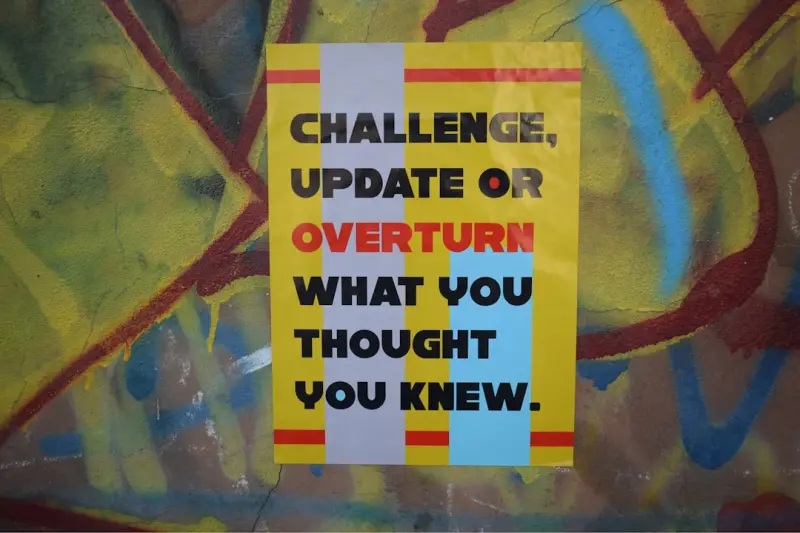
When the word “travel” is tossed around in boardrooms, Instagram feeds, and weekend planning apps, it often carries a glossy promise of curated itineraries, picture‑perfect sunsets, and meticulously packed carry‑ons. Yet the most transformative journeys aren’t the ones you can schedule on a spreadsheet—they’re the moments that slip through the cracks of planning, the serendipitous detours that force you to confront an unfamiliar street, a stray conversation, or a sudden change in weather. This piece is a love letter to those unplanned chapters, a practical guide to turning every accidental fork in the road into a purposeful, memory‑rich experience.
Why We’re Obsessed With “Unplanned”
Modern travel culture has been hijacked by algorithmic recommendations. From AI‑driven hotel suggestions to hyper‑personalized city guides, the industry has made it easier than ever to stay within a comfort zone that feels safe but ultimately predictable. The paradox is simple: the more data we feed to the machines, the less room there is for the unexpected. Yet research in cognitive science shows that novelty spikes dopamine, sharpens memory consolidation, and even rewires the brain’s default mode network. In other words, the very act of stumbling onto a hidden courtyard or a local market you didn’t see on any map can make your brain healthier.
Embracing unplanned travel doesn’t mean abandoning all structure. Think of it as building a flexible scaffolding—enough to keep you safe and oriented, but porous enough to let curiosity flow. The trick is to design a travel mindset that treats every “mistake” as a data point, a clue, and a catalyst for deeper connection.
Designing a “Serendipity‑Ready” Toolkit
Before you board that flight, assemble a lightweight kit that primes you for spontaneous discovery:
- Offline Maps & Local Layers: Download a base map of your destination (Google Maps, Maps.me) and then overlay community‑generated layers like street art tags, pop‑up galleries, or food truck schedules.
- Mini Language Flashcards: A handful of phrases—“Where’s the nearest …?”, “What’s a local specialty?”—can unlock doors that would otherwise stay shut.
- Portable Journal or Voice Recorder: Capture the scent of a rain‑slicked alley or a fleeting conversation in real time. These notes become the raw material for later reflection.
- Compact Power Bank & Universal Adapter: Stay online enough to research on the go, but set boundaries (e.g., only use data when you’re actively seeking a new direction).
With these tools in hand, you’ll be ready to pivot at a moment’s notice without feeling lost.
Turn a Missed Train Into a Micro‑Adventure
Picture this: you’re waiting for a train that’s delayed by thirty minutes. Instead of scrolling mindlessly, step outside the station. Follow a pedestrian‑only lane you’ve never noticed. You might discover a community garden, a street musician, or a tiny bakery that serves the best cinnamon‑spiced croissant you’ll ever taste. This is the essence of micro‑adventure: small, low‑cost, time‑bounded experiences that feel larger than life because they’re unexpected.
Research from the Outdoor Industry Association shows that micro‑adventures boost resilience and improve mood, especially when they’re framed as intentional “breaks” from a primary itinerary. Treat each delay, detour, or even a wrong turn as a scheduled “wildcard” slot in your day. Allocate 30‑45 minutes of “free exploration” time each morning and let the city surprise you.
Leveraging Local Knowledge Without a Guidebook
One of the most underrated ways to spark unplanned moments is by engaging directly with locals. Instead of asking “What should I see?” ask “What are you doing right now?” The answer will likely be something that isn’t on any tourist brochure. This approach also dovetails nicely with the growing trend of culinary mapping of your trip. While the original post focuses on meals, you can extend the concept: map not just flavors but experiences—like where locals gather for impromptu jam sessions or where street artists showcase new work.
Tip: Carry a small, reusable card with a QR code linking to a simple Google Form titled “Local Spot Suggestion.” Hand it to a barista, shopkeeper, or park ranger. Within seconds, you’ll have a crowd‑sourced list of hidden gems that updates in real time.
Audio as an Unseen Compass
Sound is a powerful, often underutilized, guide. While playlists can be curated for travel, consider using ambient city sounds as a navigation aid. Open a sound‑scape app, set it to “urban,” and listen for spikes in volume or rhythm—those may indicate bustling markets, festivals, or live performances. This technique subtly shifts your focus from visual landmarks to auditory cues, revealing layers of a city you’d otherwise miss.
For those who love a curated soundtrack, explore the concept of personalized travel playlists that evolve based on real‑time data: weather, time of day, and even the pace of your walking. When the rain starts, a mellow, rain‑drum beat playlist can make a soggy sidewalk feel like an intimate, reflective walk.
Documenting the Unscripted: From Moment to Memory
After the trip, the work isn’t over. The most valuable part of unplanned travel is the narrative you build afterward. Combine your journal entries, audio snippets, and photos into a “Serendipity Portfolio.” Use a simple digital tool—like Notion or a private blog—to tag each entry with themes (e.g., “Food,” “Architecture,” “Conversation”). Over time, you’ll notice patterns: perhaps you gravitate toward riverfront markets or historic neighborhoods with narrow alleys.
This personal data set can become a future planning asset. When you book your next destination, you’ll be able to ask: “What kind of spontaneous experiences did I enjoy most last time?” and intentionally seek out similar environments, but still leave room for surprise.
The Business Angle: Turning Serendipity Into Innovation
For companies that sponsor travel—whether for sales teams, product launches, or leadership retreats—the same principles apply. Structured “creative disruption” days, where employees are encouraged to wander away from the conference center and report back on unexpected findings, can seed fresh product ideas. In fact, many breakthrough features in travel‑tech platforms originated from a field researcher getting lost and stumbling upon a local payment method that wasn’t documented elsewhere.
Incorporating unplanned experiences into corporate travel policies sends a subtle message: you trust your people’s instincts and value the organic insights that arise from genuine human interaction.
Practical Checklist for Your Next Unplanned Expedition
- Set three “wildcard” windows in your itinerary (morning, afternoon, evening).
- Download offline maps and enable “local layers” for art, food, and pop‑ups.
- Carry a reusable QR‑code card for instant local recommendations.
- Pack a pocket‑size journal and a voice recorder.
- Curate an adaptive playlist that responds to weather and time of day.
- After the trip, consolidate notes into a “Serendipity Portfolio” for future reference.
When you walk away from the rigid schedule and embrace the unknown, you’re not just collecting stories—you’re training your mind to thrive in ambiguity, a skill that pays dividends far beyond the passport stamp.
Final Thought: The Art of Intentional Accident
Travel will always be a blend of design and chaos. By consciously creating the conditions for happy accidents, you transform each journey into a laboratory of lived experience. The next time you find yourself standing at a crossroads—literal or metaphorical—don’t rush to the nearest signpost. Pause, listen to the city’s heartbeat, and let the detour become the destination.

Seth Samual is a name that's quickly becoming synonymous with compelling and insightful writing. As a freelance writer, Seth has carved a niche for himself by delivering high-quality content across a diverse range of subjects.
Related Posts
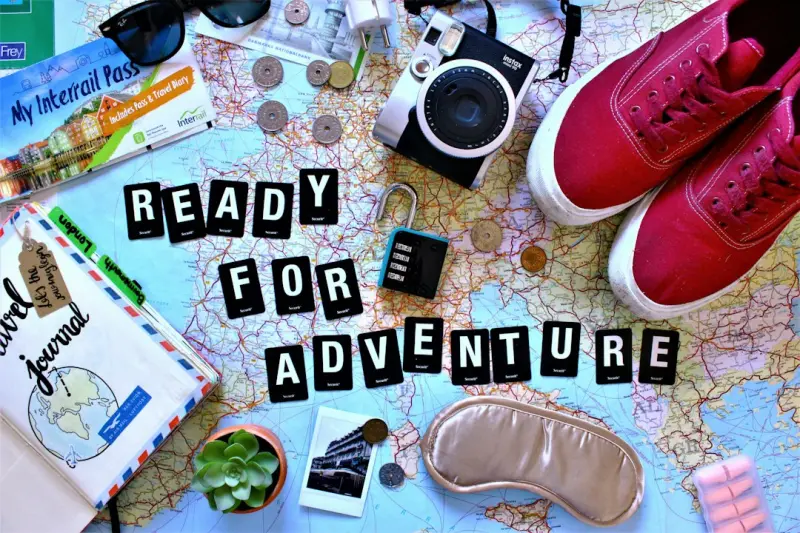
Travel as a Living Lab: How Wanderers Shape Smarter Cities
Treat each journey as a living lab: learn how travelers can capture insights, share data responsibly... Read More

Crafting a Personal Adventure Blueprint for Modern Travelers
Discover how to create a travel blueprint that aligns with your energy, values, and goals, turning e... Read More

Off the Grid: Mastering the Art of Phone-Free Travel
Explore the transformative power of traveling without a phone—discover analog navigation, mindful ... Read More
Top Posts

The Rise of Miniature Urban Forests: Turning Small Spaces into Lush Retreats
Explore the concept of miniature urban forests—layered, native plantings that turn balconies and patios into thriving ecosystems, improving air quality, menta...Read More
When Prompt Crafting Becomes a Core Skill: AI’s New Literacy
Prompt engineering is reshaping how teams collaborate with AI. This article explores why crafting effective prompts is a critical skill, offers a roadmap for bu...Read More

Redefining Personal Care: A High‑Performance Routine for the Modern Professional
Learn how to build a high‑performance personal care routine that blends micro‑resets, adaptive hydration, skin‑smart nutrition, and tech‑assisted recove...Read More

Turning Virtual Communities into a Career Launchpad
Learn to leverage virtual communities as a powerful career tool, turning everyday online interactions into real‑world professional opportunities....Read More
0 Comments
Post Comment
You will need to Login or Register to comment on this post!