
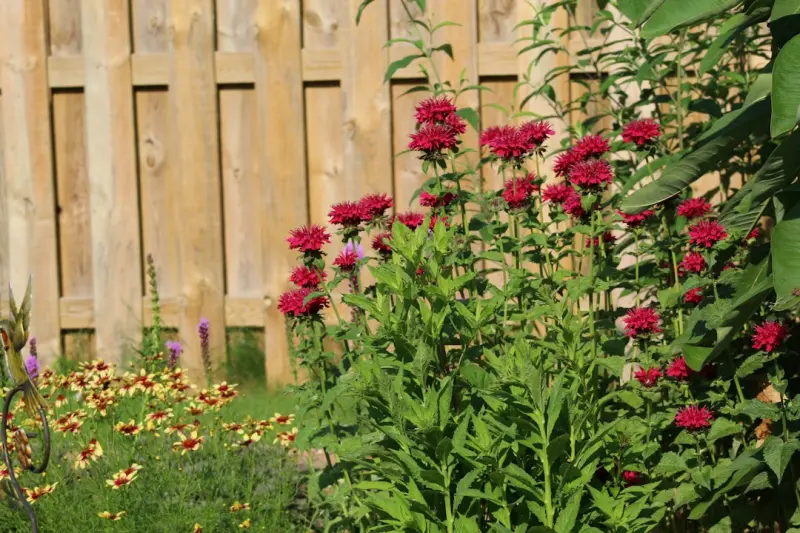
Why a Pollinator‑Friendly Garden Matters
When I first moved into my modest townhouse with a modest balcony, I thought “garden” meant a few potted herbs and a tidy lawn. A few weeks later, a honey‑kissed bumblebee landed on my basil, and I realized my tiny space could become a bustling sanctuary for the tiny heroes that keep our ecosystems humming. A pollinator‑friendly garden isn’t just a pretty backdrop; it’s an active, living partnership that feeds birds, supports local farms, and even boosts your own harvest.
The Science Behind the Buzz
Pollinators—bees, butterflies, moths, hummingbirds, and even some beetles—transfer pollen from one flower to another, enabling fruit set and seed production. In the United States alone, it’s estimated that one‑third of the food we eat relies on animal pollination. Without them, many of our favorite foods—apples, almonds, blueberries—would become rarer and pricier.
Beyond food, pollinators support biodiversity. A garden that offers nectar, pollen, and shelter becomes a stepping‑stone for insects traveling across urban landscapes. In short, planting for pollinators is a small act with outsized ecological returns.
Getting Started: Assess Your Space
- Sunlight hours: Most pollinators love sun. Aim for at least 4‑6 hours of direct sunlight per day. If you have a shaded corner, consider shade‑loving plants like foxglove (digitalis) or hostas that still provide nectar.
- Soil type: Test the pH and texture. Most flowering plants thrive in slightly acidic to neutral soil (pH 6.0‑7.0). Amend with compost or leaf mold to improve drainage and fertility.
- Space constraints: Whether you have a sprawling backyard or a balcony railing, there are vertical and container solutions that won’t feel cramped.
Choosing the Right Plants
The key is diversity. Offer a succession of bloom times so that something is always in flower from early spring to late fall. Below is a curated list that works well in most temperate zones.
- Early spring:Crocus, Snowdrops, Phlox paniculata ‘David’ – bright colors that awaken sleepy bees.
- Mid‑season:Lavender, Echinacea, Salvia, Bee Balm (Monarda) – aromatic and high‑nectar producers.
- Late summer & fall:Asters, Goldenrod, Sunflowers, Sedum ‘Autumn Joy’ – essential for preparing pollinators for winter.
Don’t forget Scented Gardens: Designing a Year‑Round Aromatic Oasis for inspiration on incorporating fragrant species that also love pollinators.
Design Tips for Maximum Attraction
1. Group Plants by Height and Color
Pollinators use visual cues to locate food. Plant tall, bold‑colored blooms (like sunflowers) at the back, medium‑height flowers (lavender, echinacea) in the middle, and low‑lying, soft‑hued plants (lavender dwarf varieties) at the front. This tiered approach creates a “color ramp” that guides insects across the garden.
2. Provide Shelter and Nesting Sites
Bees need more than nectar. Ground‑nesting bees love bare, sandy patches, while cavity‑nesting bees adore hollow stems or drilled wood blocks. Leave a small area of leaf litter or install a quiet‑power style wooden bee house to invite solitary bees.
3. Add Water Sources
A shallow dish with pebbles and water mimics natural puddles. Keep it shallow enough that insects can safely land, and refresh it weekly to prevent mosquito breeding.
4. Avoid Pesticides
Even “organic” pesticides can harm pollinators. Opt for integrated pest management (IPM): hand‑pick pests, use neem oil sparingly, and encourage predatory insects like ladybugs.
Vertical Gardening for Pollinators
If floor space is limited, think upward. Trellises, hanging baskets, and wall‑mounted planters can host climbing pollinator magnets such as sweet peas, clematis, or climbing roses. A vertical garden also creates layered habitats, offering both foraging and shelter.
Creating a Seasonal Calendar
Map out a planting calendar to ensure continuous bloom. Here’s a simple example:
- January–February: Start seeds indoors for early spring bloomers (crocus, phlox).
- March–April: Plant hardy perennials and bulb transplants.
- May–June: Introduce midsummer annuals and herbs.
- July–August: Add late‑blooming perennials and succulents.
- September–October: Plant fall‑season asters and sedums.
- November–December: Mulch and protect perennials; consider evergreen shrubs for winter interest.
DIY Projects to Boost Pollinator Appeal
1. Homemade Bee Hotels
Gather a wooden block, drill holes ¼‑½ inch in diameter, and fill with bamboo stalks or hollow reeds. Mount the block on a sunny wall, 3‑5 feet off the ground. Bees love the snug, dry cavities.
2. Nectar‑Rich Flower Mixes
Mix equal parts of dried lavender, rose hips, and dried oregano. Scatter the blend near your planting beds to attract butterflies that sip on the fragrant pollen.
3. Upcycled Container Garden
Old tin cans, wooden crates, or reclaimed pallets become perfect planters. Line them with landscape fabric, add a quality potting mix, and plant a mix of annuals and perennials for a pop‑up pollinator hub.
Maintaining Your Pollinator Garden
Consistency is key. Here’s a simple weekly checklist:
- Inspect for pests and remove them by hand.
- Deadhead spent blooms to encourage rebloom.
- Water deeply early in the morning (especially in containers).
- Refresh water dishes and clean them of debris.
- Rotate seasonal plants according to your calendar.
Harvesting the Rewards
When your pollinator garden is thriving, you’ll notice a tangible uptick in fruit set and seed production across nearby vegetable patches. Expect larger, sweeter strawberries, fuller tomatoes, and more abundant beans. Even ornamental blooms will appear richer and longer‑lasting.
Connecting With the Community
Many neighborhoods host “Pollinator Walks” or citizen‑science projects like the Bee Count. Participating not only educates others but also helps scientists track pollinator health. Bring a notebook, snap photos, and share observations on local forums.
Final Thoughts: A Garden That Gives Back
Building a pollinator‑friendly garden is an act of stewardship that rewards you with vibrant colors, buzzing activity, and a deeper sense of connection to nature. Whether you’re tending a sprawling yard or a balcony box, the principles remain the same: diversity, seasonality, shelter, and a pesticide‑free mindset. As the garden blooms, so does the chorus of wings, and you’ll find yourself smiling at the tiny miracles happening right at your doorstep.

Armed with a degree in English Literature, Jill’s journey into the digital space wasn't just a career move; it was a natural extension of her lifelong love affair with storytelling. While some writers view search engine optimization (SEO) as a rigid constraint, Jill sees it as a creative puzzle. She understands the delicate art of balancing the algorithmic demands of search engines with the human desire for resonance, emotion, and value. To Jill, keywords aren't just targets to hit; they are the breadcrumbs that lead eager readers straight to the answers they’ve been searching for.
Related Posts
Rewilding Your Backyard: A Practical Guide to Native Habitat Gardening
Learn step‑by‑step how to rewild your suburban garden, from site assessment and native plant sel... Read More
Cultivating a Sensory Garden: A Multi‑Sensory Retreat for Home & Garden Lovers
Learn step‑by‑step how to build a sensory garden that awakens all five senses, offering a soothi... Read More
Garden Desk Revolution: Transforming Your Backyard Into a Productivity Oasis
A garden desk isn’t just a piece of furniture; it’s a game‑changing workspace that blends natu... Read More
Top Posts

How an AI Curiosity Coach Can Supercharge Your Everyday Life
Explore the power of an AI curiosity coach that curates content, drives micro‑learning, and shapes your environment for smarter, happier living....Read More

The Employee as Entrepreneur: Redefining Career Success in the Modern Workplace
Discover the rise of the employee‑entrepreneur mindset, learn to build personal brand capital, leverage skill marketplaces, and design a portfolio career that...Read More
Front Porch Revival: Light, Color, and Function for Every Season
A step‑by‑step guide to turning your front porch into a welcoming, functional space using light, color, sustainable materials, and easy‑care plants....Read More
Vertical Gardens: Transforming Small Urban Spaces Into Lush Living Walls
Living walls bring the outdoors inside, even in the tiniest apartments. Learn step‑by‑step how to install, maintain, and style a vertical garden that boosts...Read More
0 Comments
Post Comment
You will need to Login or Register to comment on this post!