

Why Your Home’s Soundtrack Deserves a Makeover
Most of us treat a home like a visual canvas—paint colors, furniture arrangements, and decorative accents get all the attention. But the aural environment is just as critical, especially when the line between work, leisure, and sleep blurs inside the same four walls. A noisy backdrop can drain concentration, spike stress hormones, and sabotage the cozy sanctuary you’re trying to build. The good news? You don’t need a pricey acoustic engineer to transform the vibe. Simple, intentional tweaks can turn a clatter‑filled flat into a hush‑filled haven.
Listening to the Space: How to Diagnose Acoustic Weak Points
Before you start hanging fabric or buying sound‑absorbing panels, you need a clear picture of where the trouble spots live. Grab a timer, a notebook, and follow these quick steps:
- Identify the sources. Is the rumble coming from street traffic, upstairs neighbors, a humming refrigerator, or your own TV?
- Map the rooms. Walk each space with the timer set to 30 seconds, listening for echo or reverb. Rooms with high ceilings and hard floors tend to bounce sound around.
- Notice the time of day. Some noises spike in the morning (delivery trucks) while others creep in at night (late‑night trains). Knowing the pattern helps you target solutions that matter when you need them most.
Jotting down these observations creates a blueprint for your acoustic upgrade—no guesswork, just data‑driven decisions.
Soft Surfaces: The Unsung Heroes of Quiet
Hard surfaces reflect sound like a mirror. The easiest antidote is to introduce soft, porous materials that absorb rather than bounce. Here’s a quick inventory you can start with:
- Area rugs. A thick, low‑pile rug under a coffee table can slash footstep noise by up to 50 %.
- Curtains. Heavy drapes—think linen or cotton blends—double as light blockers and acoustic buffers. Close them at night to muffle street sounds.
- Upholstered furniture. Sofas and armchairs already have built‑in absorption. Add extra throw pillows to increase the surface area.
- Wall hangings. Tapestries, woven blankets, or even a row of framed fabric art can act like miniature sound panels.
These additions are low‑cost, aesthetic, and you can swap them out whenever you crave a new look.
DIY Acoustic Panels Without the ‘DIY’ Stigma
If you’re feeling adventurous, crafting your own acoustic panels is surprisingly straightforward. All you need is a wooden frame, some acoustic insulation (rockwool or recycled cotton), and a decorative fabric of your choice. Assemble the frame, snugly insert the insulation, then wrap it in fabric—tuck the excess and staple it to the back of the frame.
Hang the panels at the “first reflection points” (the spots where sound bounces off the wall directly back to your ears). A practical way to find these points: sit in your listening spot, have a friend slide a hand along the wall; when they hear the sound from the speaker align, that’s a prime location.
Strategic Furniture Placement: Let the Layout Do the Work
Furniture can act as a natural sound barrier when placed wisely. Here are three placement tricks:
- Bookcase shields. A fully stocked bookcase against a noisy wall creates a dense barrier that diffuses sound.
- Soft‑edge zones. Position a plush sofa or a cluster of floor cushions between your home office and a high‑traffic hallway to soften stray chatter.
- Plants as absorbers. Large, leafy plants (think monsteras or fiddle‑leaf figs) have thick foliage that breaks up sound waves. Pair them with a grow herbs in tight kitchens guide for a dual benefit of fresh flavor and quieter air.
Sealing the Gaps: Windows, Doors, and Other Leak Points
Even the most plush interior can’t compensate for air leaks that let noise pour in. Conduct a simple “hand test”: run your hand around windows and doors; if you feel a draft, sound is likely slipping through too.
Solutions range from budget to premium:
- Weather‑stripping tape. Affordable adhesive strips seal the perimeter of doors and windows.
- Acoustic sealant. A silicone‑based caulk that remains flexible, perfect for filling gaps around window frames.
- Double‑glazed windows. If you’re in a renovation phase, consider swapping single panes for double glazing; the air gap acts as a natural sound blocker.
Quiet Tech: Sound Masking and Smart Audio
When eliminating external noise isn’t feasible, introduce a gentle, consistent soundscape that masks disruptions. White‑noise machines, nature‑sound apps, or a low‑volume fan can create a “sound blanket.” If you love gadgets, explore smart speakers that offer customizable sound loops—rain, forest, or even a subtle hum of a coffee shop.
For those who spend a lot of time at a desk, a headphone with active noise cancellation is a portable solution that keeps focus intact whether you’re on a video call or deep‑diving into a project.
Creating Dedicated Quiet Zones
Even in open‑plan apartments, carving out a quiet nook can be a game‑changer. Choose a corner that’s already shielded—perhaps next to a bookshelf or behind a folding screen. Outfit it with a comfortable chair, a soft rug, and a low‑lit lamp. Keep this zone free of high‑traffic items (like a shoe rack) to preserve its calm.
Make it a rule: no devices that emit bright, abrupt noises (think gaming consoles) in this space. The mental cue of “this is my quiet corner” trains your brain to relax the moment you step inside.
Mindful Habits to Keep the Peace
Physical upgrades are only half the battle. Your daily routines can either sustain or sabotage the acoustic environment you’ve built. Here are three habits to embed:
- Volume etiquette. Keep TV and music at a level that doesn’t bleed through walls—use headphones for late‑night listening.
- Quiet hours. Establish a household rule that after a certain hour, conversations move to softer tones, and doors stay closed.
- Tech‑free wind‑down. Instead of scrolling on a phone before bed, switch to a physical book or a short meditation. This reduces sudden spikes in ambient noise and helps your nervous system unwind.
Speaking of tech, consider how setting healthy tech habits at home can reinforce your acoustic goals. When devices are tucked away or muted during quiet periods, the overall soundscape stays calmer.
Maintaining the Silence: Regular Check‑Ins
Acoustic comfort isn’t a set‑and‑forget project. Schedule a quarterly “sound audit” to see if any new furniture, décor, or neighborhood changes have altered the noise balance. Replace worn‑out rugs, tighten door seals, and rotate acoustic panels if they’ve become too saturated with dust.
Remember, the aim isn’t to create a sterile, echo‑free museum. It’s to cultivate an environment where the sounds you love—soft music, a loved one’s laugh, the kettle’s whistle—stand out, while unwanted clatter fades into the background.
Final Thoughts: Your Home as a Symphony, Not a Static
Sound is the invisible thread that weaves together comfort, productivity, and well‑being. By listening closely, layering soft surfaces, strategically placing furniture, sealing gaps, and adopting mindful habits, you can conduct a home environment that supports every facet of your life. The next time you step into your living room, pause for a moment. Feel the hush, notice the subtle hum, and realize you’ve just tuned the soundtrack of your home.

Ryan Stuart is a seasoned freelance features writer, editor, and professional photographer with a passion for exploring the world and capturing its beauty through words and images.
Related Posts

Soundscaping Your Home: Simple Hacks for a Calmer, More Focused Space
Learn how to transform any living space into a sound sanctuary with low‑cost rugs, DIY acoustic pa... Read More

Designing a Remote‑Work Ready Home That Fuels Focus and Well‑Being
Discover how to remodel your living space into a remote‑work ready environment with zones for focu... Read More
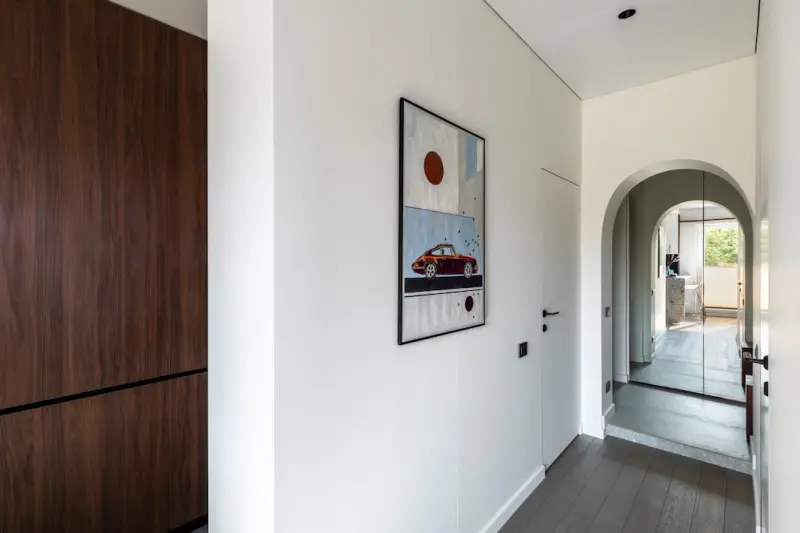
Why Small Spaces Deserve Big Attention
Ever walked into a room and felt that subtle, almost invisible tug? It’s the same feeling you get ... Read More
Top Posts

Wandering Minds at Work: Turning Daydreams into Mental Muscle
Learn how to harness purposeful mind‑wandering as a mental workout, boosting creativity, problem‑solving, and emotional resilience while fitting seamlessly ...Read More

Designing a Sensory Garden: A Fresh Take on Outdoor Wellness
A sensory garden engages sight, sound, smell, touch, and taste, turning any outdoor area into a therapeutic sanctuary. Discover design strategies, plant picks, ...Read More

Vertical Gardens: Maximizing Space and Style in Small Homes
Learn to turn walls into thriving vertical gardens, blending design, sustainability, and budget‑friendly DIY tricks for compact living spaces....Read More

Why Garden Desks Are the New Employment Power Play in 2026
Explore the rise of garden desks as a strategic tool for productivity, well‑being, and future‑proofing careers in the modern workplace....Read More
0 Comments
Post Comment
You will need to Login or Register to comment on this post!