
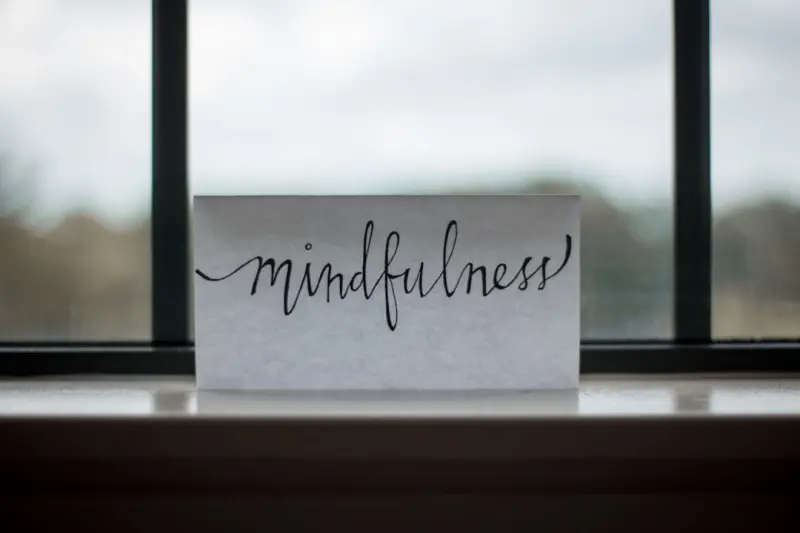
Why We Need to Forget on Purpose
In a world that rewards constant hustle, endless scrolling, and an ever‑growing to‑do list, the idea of deliberately letting things slip away feels almost rebellious. Yet, the mental toll of information overload is no secret: fragmented attention, decision fatigue, and a lingering sense that we’re never truly "off". What if the antidote isn’t another productivity hack, but a practiced skill of intentional forgetting?
The Science Behind Selective Memory
Our brains are wired for efficiency. Every day we encode millions of sensory impressions, but only a fraction survive the pruning process known as synaptic consolidation. Neuropsychologists describe this as the brain’s way of keeping the most useful data while discarding the rest. When we flood ourselves with stimuli—emails, news alerts, social media pings—we overwhelm this natural filter, causing unnecessary clutter in our mental workspace.
Research from the field of cognitive psychology shows that the act of consciously deciding what not to retain can actually strengthen the neural pathways for the information we do keep. By training ourselves to "release" certain memories or ideas, we enhance the brain’s capacity for focus, creativity, and emotional regulation.
How Intentional Forgetting Works in Practice
Here’s a step‑by‑step guide to start pruning your mental garden:
- Identify the Noise: Spend a week logging moments when you feel mentally “full”—an endless email chain, a heated comment thread, or a repetitive advertisement. Notice patterns.
- Set a Forgetting Window: Choose a specific timeframe (e.g., 24‑hour, 48‑hour) after which you consciously release the data. If a piece of information isn’t actionable within that window, let it go.
- Use a Physical Cue: Write the item on a small card, place it in a “release box,” and seal it. The tactile act reinforces the decision to let it slip away.
- Replace with Purposeful Input: Fill the freed mental space with something that truly matters—learning a new skill, deep reading, or a reflective practice.
- Reflect Weekly: Review your “release box” entries. Celebrate the clarity you’ve gained and adjust your forgetting window as needed.
From Forgetting to Freedom: Real‑World Benefits
Practitioners of intentional forgetting report a suite of mental health improvements:
- Reduced Anxiety: By not ruminating on every piece of news, the brain can settle into a calmer baseline.
- Improved Decision‑Making: A decluttered mind can weigh options without the interference of irrelevant data.
- Enhanced Creativity: When mental bandwidth is freed, the brain can make novel connections—exactly what structured daydreaming leverages.
- Better Sleep: A night without the mental replay of “must‑do” lists leads to deeper, more restorative rest.
The Role of Digital Discipline
One of the most common sources of mental clutter is our digital environment. While it’s tempting to adopt a blanket “digital detox,” the reality is that technology itself isn’t the enemy—our relationship with it is. By aligning the principles of intentional forgetting with mindful tech use, you can create a sustainable balance.
Consider setting information diet rules: limit news consumption to a single, reputable source for a 30‑minute window each morning, or use digital breaks strategically throughout the day to prevent cognitive overload. The goal isn’t to abandon devices, but to curate the flow of data entering your mind.
Breathing as a Bridge Between Forgetting and Presence
Our breath is the most accessible anchor for grounding, and it can serve as a physical reminder to release what no longer serves us. When you notice a surge of mental chatter, take three slow, diaphragmatic breaths, and mentally exhale the unwanted thought. This simple technique taps into the same mechanisms described in Why Your Breath Holds the Key to Everyday Vitality, linking physiological calm with cognitive clarity.
Intentional Forgetting in the Workplace
Corporate cultures often prize “knowledge hoarding” under the guise of being thorough. Yet, teams that practice selective retention experience higher productivity and lower burnout. Here’s how leaders can foster an environment that encourages purposeful forgetting:
- Meeting Sprints: Limit meetings to 15‑minute “decision sprints” where only actionable items are recorded.
- Document Pruning Sessions: Quarterly reviews of shared folders to archive outdated files.
- Psychological Safety: Normalize the admission that “I don’t need to remember every detail; I trust the team and systems.”
When employees feel safe to let go of non‑essential information, they can focus on high‑impact work without the lingering weight of unnecessary mental baggage.
Personal Stories: When Forgetting Changed My Life
Two years ago, I was stuck in a loop of endless to‑do lists, each item feeding the next. I tried typical productivity apps, but the sense of mental saturation persisted. I decided to experiment with intentional forgetting: I began writing down every “non‑urgent” thought that surfaced during the day and placed it in a small wooden box on my desk. At the end of each week, I sealed the box and tucked it away, telling myself, “I’ll revisit if it truly matters.”
The shift was subtle at first—a lighter feeling in my chest, a reduced need to check my phone every few minutes. Over time, I noticed that my creative ideas flowed more freely, and my anxiety about missing out on “important” information faded. The box became a symbol of trust in my own ability to prioritize, and it reminded me daily that I don’t have to carry every thought forever.
Tools and Techniques to Support Forgetting
While the core practice is low‑tech, certain tools can enhance the experience:
- Physical Index Cards: Write a thought, date, and a brief tag. Store them in a “temporary bin.”
- Voice Memos: Record a quick audio note and set a reminder to delete it after the forgetting window.
- Digital “Do Not Disturb” Schedules: Automate periods where notifications are silenced, reinforcing the habit of mental rest.
- Mind‑Mapping Apps: Visually map out ideas, then collapse branches that are non‑essential, symbolically “folding” them away.
Potential Pitfalls and How to Avoid Them
Like any habit, intentional forgetting can be misapplied:
- Over‑Pruning: Discarding information that later proves vital. Mitigate by setting a reasonable forgetting window and occasionally reviewing the “released” items.
- Guilt Loop: Feeling guilty for “forgetting.” Remember, the goal is mental health, not perfection. Celebrate the space you create.
- External Pressure: Colleagues or family expecting you to retain all details. Communicate your approach and set clear expectations about what you’ll prioritize.
Integrating Intentional Forgetting Into Daily Routines
To make this practice sustainable, embed it into existing habits:
- Morning Review: Scan your inbox and note items that can be deferred or forgotten after 24 hours.
- Midday Breath Pause: Use a breathing break to release any lingering stressors.
- Evening “Box Closure”: Seal your forgetting box, then journal about the mental clarity you feel.
Consistency transforms intentional forgetting from a novelty into a core component of mental hygiene.
Conclusion: Embrace the Freedom of Letting Go
Our brains evolved to prioritize survival, not to manage endless streams of data. By consciously choosing what to release, we align modern life with ancient neural architecture, reclaiming mental space for what truly matters—relationships, purpose, and authentic creativity. The next time a thought clutters your mind, ask yourself: “Is this essential, or can I let it drift away?” In the act of letting go, you’ll discover a deeper sense of calm, focus, and resilience.

Jimmy Damon loves to right on a large scale of topics with all things Canadian as this Montreal die hard loves hockey. fishing and sports.
Related Posts

Mental Fitness in the Moment: Turning Tiny Tasks into Big Resilience
Discover how brief, intentional mental workouts—focused attention snippets, emotional reset routin... Read More

Designing a Hybrid‑Work Mental‑Health Blueprint
A step‑by‑step guide to building micro‑rituals, smart‑lighting, and digital boundaries that ... Read More

The Unseen Power of Mental Micro‑Resets in a Hyper‑Connected World
Micro‑resets—short, intentional breaks built into the workday—offer a practical, scalable way ... Read More
Top Posts

Tuning In: How Curated Soundscapes Boost Mental Resilience
Explore the science behind sound and mental health, learn practical steps to design personal soundscapes, and discover how curated audio can calm the mind, enha...Read More

How a Portable Storytelling Toolkit Turns Every Trip Into a Living Narrative
Explore how a simple portable toolkit can transform your travels into vivid, shareable stories—capturing sounds, sketches, and moments wherever you roam....Read More

Micro‑Getaways: Turning Everyday Commutes Into Pocket Adventures
Explore the power of micro‑travel: turn routine commutes, train rides, and local strolls into memorable pocket adventures that refresh the mind and support su...Read More

Skill‑Swap Travel: Learn While You Roam
Skill‑swap travel transforms ordinary trips into collaborative workshops, letting you teach a skill while learning a new one from locals—creating meaningful...Read More
0 Comments
Post Comment
You will need to Login or Register to comment on this post!