

Why Stories Matter More Than We Think
When I first started scribbling thoughts in a notebook, I didn’t realize I was building a mental health toolbox. I was simply looking for a way to make sense of the endless swirl of meetings, emails, and the ever‑present “to‑do” list. Over time, I discovered that the act of turning raw experience into narrative is a powerful antidote to anxiety, rumination, and the feeling of being stuck. This isn’t about writing a novel; it’s about giving your brain a clean, organized way to file emotions, insights, and aspirations.
The Science Behind Narrative Processing
Neuroscientists have long observed that storytelling activates the prefrontal cortex—the brain region responsible for executive function, decision‑making, and emotional regulation. When you frame a stressful event as a story with a beginning, middle, and (hopefully) a hopeful ending, you shift from a chaotic “experience” to a digestible “episode.” This re‑framing reduces cortisol spikes, improves memory consolidation, and creates a psychological distance that lets you observe rather than be overwhelmed.
Research from the University of Chicago showed that participants who kept a short “story journal” for two weeks reported a 30% decrease in depressive symptoms compared to a control group that simply listed daily activities. The key was meaning‑making, not the sheer act of writing.
How to Start a Narrative Journal (Without Feeling Silly)
Below is a step‑by‑step guide that respects a busy professional’s schedule while still delivering the mental health benefits of storytelling.
- Choose a format that feels natural. Some people love a leather‑bound notebook; others prefer a digital note‑taking app. The medium isn’t as important as the consistency.
- Set a tiny time block. Aim for five minutes after lunch or right before bed. A short, regular habit beats a long, sporadic one.
- Pick a narrative lens. Ask yourself: “What happened? Who was involved? How did I feel? What did I learn?” This simple template keeps your entry concise yet rich.
- End with a forward‑looking line. Write one sentence about how you might approach a similar situation tomorrow, or what small step you’ll take to nurture yourself.
From “What If” to “What Next”: Turning Rumination Into Action
Many of us are familiar with the mental loop: replaying a conversation, worrying about a missed deadline, or obsessing over an upcoming presentation. Narrative journaling interrupts that loop by giving it a defined start and finish. Once the story is on the page, you can step back, read it, and ask, “Is this the whole truth? What part of the story am I magnifying?” This self‑questioning creates space for new solutions.
For example, after a tense client call, I might write:
“The call started with me feeling defensive because the client questioned my timeline. I listened, clarified the constraints, and we agreed on a revised schedule. I felt relief when the conversation ended on a collaborative note. Tomorrow, I’ll prepare a brief visual timeline to share upfront, reducing future friction.”
That single paragraph turned a lingering anxiety into a concrete plan, and it only took a few minutes.
Embedding Narrative Journaling Into Your Workday
It’s easy to think that journaling belongs to “personal time,” but the habit can be seamlessly woven into professional routines. Here are three integration ideas:
- Meeting Debrief. Right after a meeting, spend two minutes summarizing the discussion as a short story. Highlight decisions, emotions, and any unresolved threads.
- Project Milestone Log. Treat each milestone as a chapter. Capture successes, setbacks, and the team dynamics that shaped the outcome.
- Digital “Inbox Zero” Narrative. Instead of just clearing emails, write a brief story about the most challenging email you handled that day, noting how you responded and what you learned.
These micro‑practices keep your mental health work tied directly to your professional responsibilities, reinforcing the idea that wellbeing is a performance metric, not a side project.
Connecting Narrative Journaling With Other Mental Health Hacks
While narrative journaling is a stand‑alone tool, it amplifies the effect of other wellbeing practices. For instance, after a tiny temperature tweak that makes your home office a bit cooler, you might notice sharper focus. Document that observation in your story journal, and you’ll start seeing patterns—small environmental changes that boost mood and productivity.
Similarly, a quick short daily pause can become a narrative beat: “I stepped away from the screen for a breath walk, felt my shoulders relax, and returned with a fresh perspective on the design problem.” Over weeks, these beats accumulate into a personal anthology of resilience.
Creating a “Story Sanctuary” in Your Physical Space
Physical surroundings influence how comfortably we write. A cluttered desk can stifle creativity, while a calm nook invites reflection. You don’t need a whole room overhaul—just a calm nook with soft lighting, a comfortable seat, and perhaps a small plant. Even a corner of a coffee shop can serve as a temporary sanctuary if it feels safe and inspiring.
Consider adding a small “story board”—a corkboard or whiteboard where you pin key themes from your entries: gratitude, growth, challenges, and breakthroughs. Visually seeing these categories reinforces the narrative arc of your life and work.
Leveraging Technology Without Losing Authenticity
If you prefer digital tools, choose platforms that support rich text, tagging, and easy retrieval. Apps like Notion, Roam Research, or simple markdown editors let you link entries together, turning individual stories into a web of interconnected insights. The key is to avoid the temptation of endless formatting; the content itself is the hero.
Set a reminder on your phone—just a gentle ping—to prompt your five‑minute writing session. Over time, the habit becomes a mental cue, like a mental “reset button” you can press whenever stress spikes.
Measuring Impact: When Does Storytelling Become a Habit?
After a month of consistent narrative journaling, evaluate the change with a quick self‑check:
- Do you notice a reduction in rumination after stressful events?
- Are you better able to articulate needs to teammates?
- Has your mood baseline become steadier, even on hectic days?
If you answer “yes” to at least two of these, you’ve likely shifted from a novelty habit to a mental health strategy with measurable outcomes. The next step is to deepen the practice: experiment with longer entries on weekends, integrate visual elements like sketches, or share select stories with a trusted colleague for feedback.
Scaling the Practice Across Teams
Imagine a team where each member spends a few minutes each day turning work experiences into stories. Over weeks, the collective narrative can be mined for common pain points, innovation ideas, and cultural insights. A simple “Story Sprint” during retrospectives—where everyone shares one story from the sprint—can surface hidden blockers and celebrate wins that data alone would miss.
Leaders can model the behavior by openly sharing their own narratives, normalizing vulnerability and encouraging psychological safety. When storytelling becomes part of the team’s rhythm, it builds a shared language for emotional intelligence.
Final Thoughts: Your Brain Loves a Good Plot
The human brain evolved to process stories—not raw data. By gifting yourself a few minutes each day to craft narrative, you give your mind the structure it craves. You turn chaotic feelings into organized chapters, create actionable insights from emotional turbulence, and lay down a mental health foundation that scales from individual to organization.
So, the next time you feel the weight of an endless inbox or a lingering worry, pause, pick up a pen (or open a note app), and ask yourself: “What story am I living right now, and how can I rewrite the ending?” Your mental health will thank you—one paragraph at a time.

Karen Edwards is a seasoned freelance writer with a passion for all things furry, feathered, and scaled. With a dedicated focus on pets, she brings a wealth of knowledge and a keen eye for detail to her writing.
Related Posts

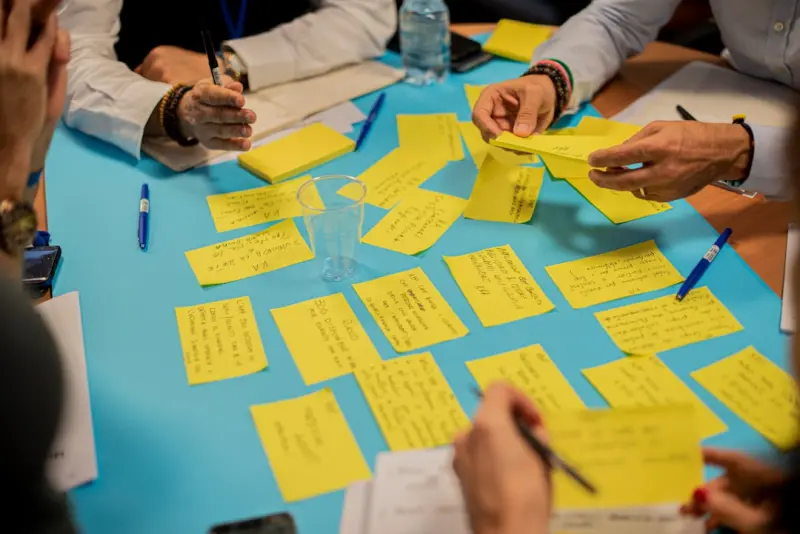
Narrative Resilience: Harnessing Storytelling to Boost Mental Health at Work
Explore the power of narrative therapy in the workplace, with practical steps to embed storytelling ... Read More
Cognitive Resilience for SaaS Teams
Learn how to protect mental health in fast‑paced SaaS settings by redefining digital boundaries, f... Read More
Notification Fatigue: The Silent Saboteur of Mental Health
A deep dive into notification fatigue, its impact on mental well‑being, and actionable steps to re... Read More
Top Posts
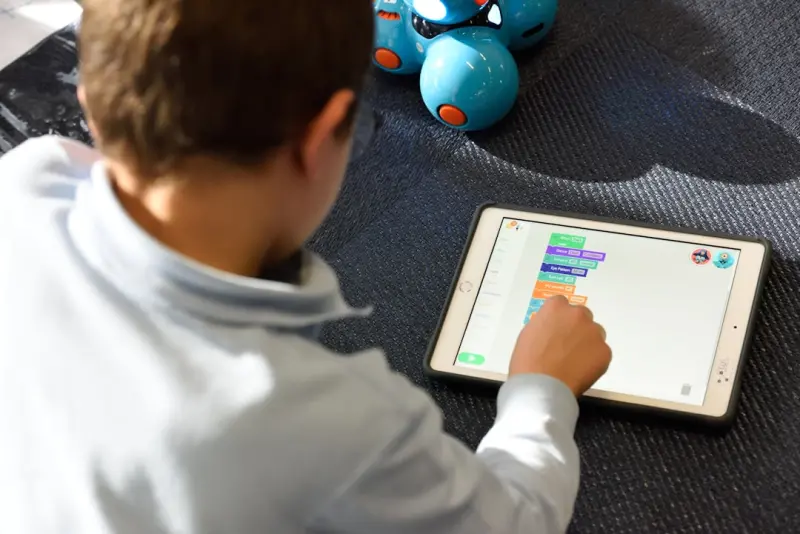
AI Mentors at Work: Turning Personalized Learning Into Everyday Dialogue
An AI mentor goes beyond static training, offering real‑time, contextual learning that adapts to each employee’s workflow, fostering continuous growth and r...Read More

Morning Light: Unlocking Your Body’s Natural Rhythm for Better Health
Learn how aligning your daily routine with natural daylight can enhance sleep quality, lift mood, regulate metabolism, and strengthen immunity, with actionable ...Read More

Wired Wellness: Personal Care Wearables Redefine Self‑Care
Wearable technology is evolving beyond fitness tracking into a comprehensive personal care companion, offering real‑time insights on hydration, stress, postur...Read More
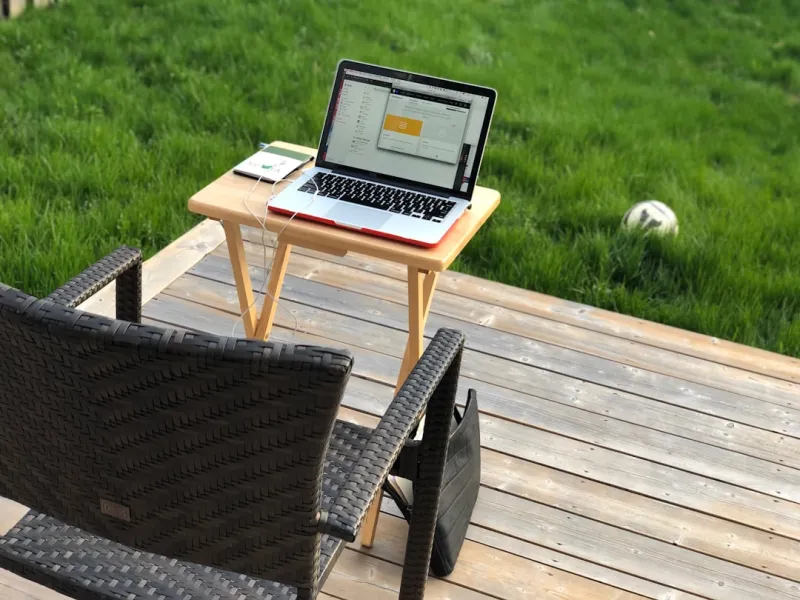
How Garden Desks Are Reshaping Employment in 2026
Explore how garden desks are revolutionizing the workplace in 2026, delivering health benefits, productivity gains, and a competitive edge for employers....Read More
0 Comments
Post Comment
You will need to Login or Register to comment on this post!