
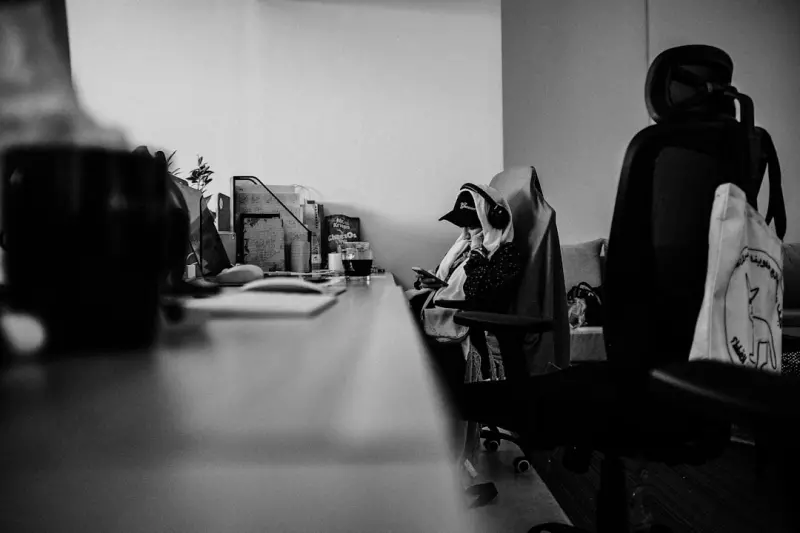
Why the Future of Exploration Belongs to the “Pop‑Up Office” Traveler
There’s a subtle thrill that comes from packing a laptop, a reusable water bottle, and a curiosity for the unknown, then setting up a temporary workspace on a sun‑drenched balcony in Lisbon or a co‑working loft in Chiang Mai. Over the past few years I’ve been trading the predictable rhythm of a cubicle for the unpredictable cadence of a pop‑up office, and what I’ve discovered is a whole new flavor of travel—one that blends professional productivity with the serendipity of a wanderer.
The Anatomy of a Pop‑Up Office Trip
At its core, a pop‑up office adventure is built on three pillars: flexibility, immersion, and intentionality. Flexibility comes from the ability to choose a destination that aligns with a project deadline or a client call, then pivot when the next opportunity arises. Immersion is about sinking your teeth into the local culture—not just the tourist highlights but the neighborhood cafés where the Wi‑Fi signal is surprisingly strong and the espresso is hand‑crafted. Intentionality is the disciplined planning that prevents the trip from becoming a chaotic scramble; it’s the habit of setting clear work goals before the suitcase hits the conveyor belt.
Choosing the Right Destination—Beyond the Tourist Playbook
When I first swapped a “business trip to a convention center” for a “week in a coastal fishing village,” the decision was less about the scenery and more about the infrastructure that could support focused work. Look for locations that offer:
- Reliable broadband. A 100‑Mbps connection might be a given in major cities, but many emerging hubs now provide fiber to the boutique hotels they want to attract.
- Co‑working ecosystems. Spaces that cater to freelancers and digital nomads often double as social hubs, where you can swap ideas over a shared lunch.
- Cultural resonance. Pick a place where the local rhythm aligns with your personal flow—whether that means a city that wakes early or a town that embraces a relaxed afternoon siesta.
One of my most rewarding weeks was spent in a restored warehouse‑turned‑co‑working space in the hills of Medellín. The building retained its industrial bones while offering rooftop terraces that overlooked a tapestry of coffee plantations. My daily stand‑up call felt less like a corporate obligation and more like a sunrise over a living mural.
Gear Up: Minimalism Meets Performance
Traveling light is not a new mantra, but when you add the weight of a workday, the art of packing becomes a strategic exercise. I follow a rule of “one‑core, two‑auxiliary”:
- One core device: a laptop or tablet that handles both creative tasks and video calls. I prefer a lightweight ultrabook with a matte display that reduces glare on a sunny terrace.
- Two auxiliary tools: a portable charger (high wattage, multiple ports) and a compact notebook for analog brainstorming. The tactile act of sketching ideas on paper often spurs insights that a digital document cannot capture.
This approach trims the suitcase to a sleek carry‑on, freeing up space for local experiences—like a guided market tour or a spontaneous hike.
Embedding Yourself in the Local Rhythm
It’s tempting to spend every free moment glued to a productivity app, but the beauty of a pop‑up office lies in the seamless blend of work and place. Here are tactics that have helped me stay grounded:
- Morning routines tied to locale. Instead of a generic coffee, I seek out the first espresso stand that opens on the street, using it as a cue to launch the day’s priorities.
- Lunch breaks as cultural dives. I make it a point to eat where locals eat. A small seafood eatery in a seaside town can double as a networking hotspot when the owner talks about the town’s upcoming festivals.
- Evening wind‑downs that inspire future projects. Sunset walks along a riverbank or a local music session can trigger creative sparks for the next day's deliverables.
Measuring Success: The Metrics That Matter
Traditional KPI dashboards focus on revenue, timelines, and task completion. For a pop‑up office traveler, I add a set of “experience metrics” that quantify the personal enrichment alongside professional output:
- Locale Insight Score. After each day, I jot a quick rating (1‑10) on how much I learned about the local culture, from language snippets to culinary notes.
- Connection Index. I track the number of genuine, non‑transactional conversations held with locals or fellow travelers.
- Well‑Being Quotient. A simple self‑check on stress levels and energy, recorded at the end of each work session.
These extra data points have a way of nudging me toward a balanced approach, ensuring that the trip doesn’t become a “work‑cation” that sacrifices immersion for output.
Tools for the Pop‑Up Office Lifestyle
While I keep my hardware minimal, the software ecosystem I rely on is robust. A few of my go‑to tools include:
- Virtual whiteboards. Platforms that sync across devices let me sketch ideas during a coffee break and instantly share them with a global team.
- Time‑zone friendly schedulers. Apps that visualize overlapping working hours help avoid the nightmare of scheduling a call at 2 am.
- Travel‑journal hybrids. I love the concept explored in the new hybrid approach to travel journaling, which blends visual snapshots, location tags, and reflective notes in a single digital canvas. It’s a great way to capture the interplay between work milestones and the places that inspired them.
Community Walking Initiatives: A Case Study in Shared Movement
During a month‑long stint in a coastal city known for its vibrant surf scene, I joined a local group that organized evening strolls along the waterfront. These gatherings, highlighted in community walking initiatives, turned casual conversations into valuable networking moments. Participants exchanged stories about project challenges, offered fresh perspectives, and even sparked collaborations that extended far beyond the shoreline.
What struck me was the subtle shift in power dynamics—when you’re walking side by side, the hierarchy of titles dissolves, and authentic dialogue surfaces. For a remote or distributed professional, such organic connections can be a game‑changer, fostering a sense of belonging that a static office environment often lacks.
Overcoming Common Hurdles
Traveling with work responsibilities is not without its challenges. Here’s how I’ve navigated the most frequent obstacles:
- Internet hiccups. I always have a backup data‑SIM with a decent data cap for regions where Wi‑Fi can be spotty. A portable hotspot becomes a lifeline during power outages.
- Time‑zone fatigue. I adopt a “core hours” window that overlaps with my primary stakeholders, then protect the rest of the day for deep work or local exploration.
- Legal and tax nuances. Before embarking, I consult a tax advisor to understand the implications of working from another country, especially regarding income reporting and social security contributions.
The Bigger Picture: Re‑Imagining How We Define “Work Trips”
Pop‑up offices are more than a trendy way to break free from the cubicle—they’re a catalyst for redefining the very concept of a work trip. Traditionally, a work trip meant a brief stay, a hotel desk, and a hurried return. Today, the model is shifting toward a prolonged stay that merges project milestones with a genuine immersion into a new environment.
This shift aligns with a larger movement toward “purposeful mobility,” where individuals seek roles and locations that nurture both professional growth and personal fulfillment. Companies that recognize this trend are already crafting policies that support flexible locations, longer durations, and allowances for cultural experiences.
Tips for Companies Wanting to Embrace the Pop‑Up Office Trend
If you’re a manager looking to encourage your team to experiment with pop‑up offices, consider the following:
- Clear remote work guidelines. Define expectations around communication, availability, and performance metrics without micromanaging time zones.
- Travel allowances that cover more than flights. Include stipends for coworking spaces, local transportation, and modest cultural activities that enrich the employee’s experience.
- Mentorship loops. Pair employees who have already navigated pop‑up offices with newcomers, fostering a knowledge‑sharing culture that accelerates adaptation.
When a company invests in this model, it doesn’t just boost morale—it opens the door to fresh market insights, cross‑cultural collaborations, and a more resilient, adaptable workforce.
Final Thoughts: The Open Road as a Canvas for Innovation
In the end, the pop‑up office is less about a change of scenery and more about a mindset—one that views the world as a series of interconnected workstations, each with its own flavor, rhythm, and story. By consciously blending productivity with the nuances of a new locale, we unlock a creative wellspring that static offices can rarely match.
If you feel the tug of a distant city on the horizon, pack a laptop, a notebook, and an appetite for both work and wonder. The world is waiting, and your next breakthrough could be just a beachfront café away.

Jim Pearse, a seasoned freelance writer, brings a wealth of knowledge and passion to the world of home and garden. From the intricacies of landscaping to the nuances of interior design, Jim delves into every aspect of creating comfortable, beautiful, and functional living spaces.
Related Posts

Flavor Trails: How to Turn Every Trip into a Culinary Expedition
Discover how to turn any journey into a deliberate culinary expedition by mapping seasonal ingredien... Read More
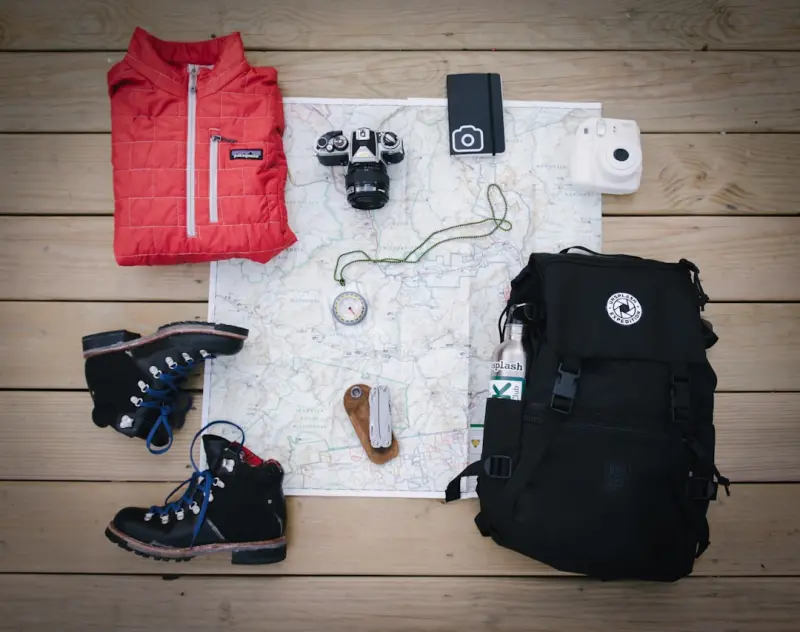
Travel Minimalism: How to Pack Light and Experience More
Discover the art of travel minimalism with practical packing strategies, versatile gear tips, and re... Read More
Designing Micro‑Escapes: How Tiny Trips Can Recharge Your Creative Engine
Micro‑escapes, brief trips close to home, can deliver the same cognitive lift as long vacations. L... Read More
Top Posts

Light‑Infused Living: How Sunlit Spaces Elevate Your Health
Natural light isn’t just a design trend—it’s a powerful health tool. Explore the science behind sunlight’s impact on hormones, cognition, and immunity, ...Read More

Hydration Hacks for Sharper Focus and Energy
A deep dive into why staying properly hydrated is essential for brain performance, with practical tips, tech tools, and lifestyle tweaks to keep your mind sharp...Read More
Quiet Home, Happy Home: DIY Acoustic Upgrades for Every Room
Discover practical, budget‑friendly steps to transform echo‑filled rooms into calm, quiet spaces, from soft surfaces and DIY panels to smart home sound inte...Read More

Beyond Tourism: Crafting Meaningful Journeys Through Community‑Driven Experiences
Explore a fresh travel mindset that prioritizes authentic community immersion, ethical volunteering, and sustainable mobility for richer, more meaningful journe...Read More
0 Comments
Post Comment
You will need to Login or Register to comment on this post!