
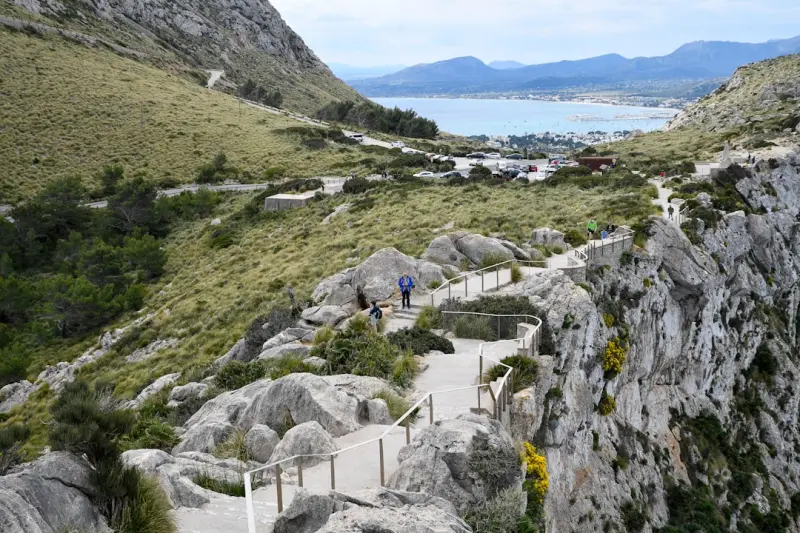
Beyond the Tourist Trail: Turning Journeys into Living Labs
When most people think about travel, the mind drifts to sun‑kissed beaches, iconic landmarks, and the inevitable Instagram carousel. I’m not saying there’s anything wrong with that—those moments are the spice of life. But for a professional who spends as much time behind a screen as I do, I’ve learned to treat each trip not merely as an escape, but as a living laboratory where I can test hypotheses about productivity, wellbeing, and even leadership.
In this post I’ll share the framework I use to turn every journey—whether it’s a weekend jaunt to a neighboring city or a month‑long trek across continents—into a series of intentional experiments. The goal? To bring back actionable insights that improve my work, my health, and my sense of purpose, without sacrificing the joy of discovery.
1. Redefine “Success” for the Trip
Before you even book a flight, ask yourself: What does a successful trip look like for me beyond the usual “saw the sights” metric? The answer can be as simple as “I want to master three new phrases in the local language” or as ambitious as “I’ll prototype a new remote‑collaboration workflow with a partner team abroad.”
Writing down these micro‑objectives turns a vague desire for adventure into a concrete set of experiments. It also gives you a built‑in feedback loop: at the end of each day, you can check whether you moved the needle on those goals.
2. Pack the Right Data Collection Tools
Travel has become a tech‑friendly activity, and you can harness that to your advantage. Here are a few low‑friction tools I keep in my carry‑on:
- Habit Tracker App – I use a simple habit‑tracking app to log activities like “walked at least 5,000 steps,” “had a conversation with a local,” or “worked on a side project for 30 minutes.”
- Voice Memo Recorder – Insight often strikes while you’re on a train or walking a market. A quick 30‑second voice memo captures the thought before it evaporates.
- Spreadsheet Template – A lightweight spreadsheet with columns for “Date,” “Location,” “Experiment,” “Outcome,” and “Reflection” provides a structured way to compare data across trips.
These tools keep the data collection process unobtrusive, so you stay present in the moment while still gathering useful information.
3. Leverage Local Skill Swaps
One of my favorite ways to turn travel into a learning experience is to engage in skill swaps. Instead of hiring a guide, I reach out to locals via community boards, coworking spaces, or even cafés, offering to teach something I’m good at (like basic Excel shortcuts or a quick intro to design thinking) in exchange for a lesson in something they excel at—be it traditional cooking, pottery, or navigating the public transit system.
This reciprocal approach serves three purposes:
- Deepens Cultural Immersion – You get a window into daily life that a typical tour can’t provide.
- Builds a Network of Global Peers – Those connections often turn into future collaborators or mentors.
- Creates Tangible Takeaways – You leave with a new skill that can be directly applied at work or in personal projects.
4. Design “Work‑Lite” Sessions
Remote work isn’t a binary on/off switch; it’s a spectrum. While traveling, I schedule “work‑lite” windows—short, focused blocks (30‑45 minutes) where I tackle high‑impact tasks that require minimal context, such as clearing inboxes, reviewing a slide deck, or drafting a quick proposal. The key is to keep these sessions deliberately brief so they don’t encroach on the experiential part of the trip.
For inspiration on how to blend creativity with travel, check out Make Every Trip a Creative Engine. The article outlines techniques for turning everyday wanderings into sources of fresh ideas—a perfect complement to the “work‑lite” mindset.
5. Practice “Environmental Resilience”
Travel inevitably throws you into environments that differ wildly from your comfort zone—different time zones, cuisines, climates, and social norms. Rather than seeing these as obstacles, I treat them as experiments in resilience.
Here’s a quick three‑step approach:
- Anticipate the Friction – Research common challenges in the destination (e.g., water quality, public transport reliability) and plan mitigations.
- Monitor Your Response – Use the habit tracker to note stress levels, sleep quality, and energy spikes.
- Iterate – Adjust your daily routine (e.g., shifting meal times or exercise) based on the data you collect.
Over time, this practice builds a personal “resilience playbook” that you can deploy not only while traveling but also during high‑stress periods at work.
6. Capture Insights in a “Travel‑Learning Journal”
At the end of each day, I spend ten minutes writing a concise entry in my travel‑learning journal. The format looks like this:
Date & Location:
Key Experiments:
Results (Quantitative/Qualitative):
Unexpected Observations:
Actionable Takeaway:
This ritual serves two purposes. First, it forces you to articulate what you learned, turning vague impressions into concrete insights. Second, it creates a searchable archive you can revisit when you need inspiration for a new project or when you’re planning your next trip.
7. Turn Data into Future Travel Blueprints
After returning home, I spend a dedicated session analyzing the spreadsheet data. I look for patterns—perhaps I’m more productive when I start the day with a morning jog in a new city, or maybe I notice a correlation between local language immersion and creative output.
These patterns become the foundation of my next travel blueprint. For instance, if I discover that “walking tours with a local guide” consistently boost my ideation scores, I’ll prioritize that element on future itineraries.
8. Share Your Findings to Amplify Impact
One of the most rewarding parts of this approach is the opportunity to share the learnings with a broader audience—whether it’s teammates, industry peers, or a community of fellow travelers. Publishing a post or giving a short talk not only reinforces your own learning but also invites feedback that can refine future experiments.
In fact, the very act of writing this article is part of my “share” experiment. I’m hoping that fellow professionals will adopt parts of this framework, test them on their own trips, and then loop back with insights that enrich the collective knowledge base.
9. Embrace the Unexpected
Even the best‑designed experiments can be derailed by a sudden rainstorm, a missed train, or a spontaneous invitation to a local festival. Instead of viewing these moments as failures, I treat them as unplanned variables that add richness to the data set. Often, the most memorable insights arise from those “off‑script” experiences.
10. Build a Sustainable Travel Habit
Finally, consider travel not as an occasional escape but as a sustainable habit that fuels continuous growth. By embedding a structured yet flexible experimentation mindset into each journey, you transform travel from a luxury into a strategic asset—a recurring source of personal and professional development.
If you’re looking to jumpstart this habit, start small. Pick a single destination, define one experiment, and follow the steps above. The momentum will build, and soon you’ll have a portfolio of “travel labs” that showcase your evolution as a global professional.
Happy exploring, and may your next trip become the most insightful project you’ve ever undertaken.

Robert Mathews is a professional content marketer and freelancer for many SEO agencies. In his spare time he likes to play video games, get outdoors and enjoy time with his family and friends .
Related Posts
How a Portable Storytelling Toolkit Turns Every Trip Into a Living Narrative
Explore how a simple portable toolkit can transform your travels into vivid, shareable stories—cap... Read More

Beyond the Itinerary: Crafting Meaningful Connections While Roaming the Globe
A fresh look at travel that prioritizes authentic connections over sightseeing, offering practical t... Read More
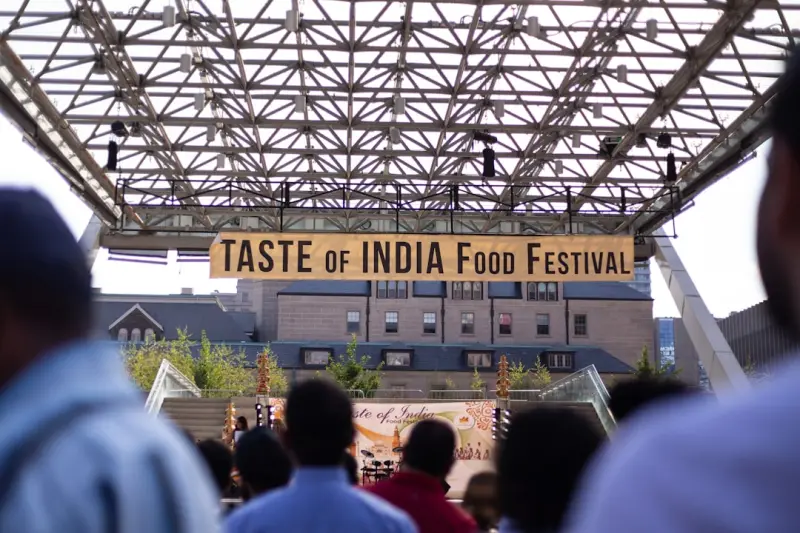
Taste the Journey: A Food‑First Approach to World Travel
Explore travel through the palate, learning to map flavors, shop smart at local markets, and savor a... Read More
Top Posts
When AI Becomes Your Quiet Coach for Everyday Work
A deep dive into how a subtle, “quiet coach” AI can enhance daily workflows, nurture empathy, and empower human judgment—offering a fresh, low‑noise app...Read More
When AI Becomes Your Sales Coach: Unpacking Hidden Biases and Boosting Team Intelligence
This post explores how AI can serve as a real‑time sales coach, detecting hidden biases, providing contextual insights, and fostering collaborative learning t...Read More
Dynamic, Outcome‑Focused Job Contracts for Modern Teams
Static job descriptions are holding your talent back. Learn how dynamic, outcome‑focused contracts empower employees, align incentives, and future‑proof you...Read More
Cultivating Career Growth: How Garden Desks Are Changing Employment
Discover how swapping a traditional office desk for a garden workspace can boost productivity, reduce stress, and give you a strategic edge in today’s evolvin...Read More
0 Comments
Post Comment
You will need to Login or Register to comment on this post!