
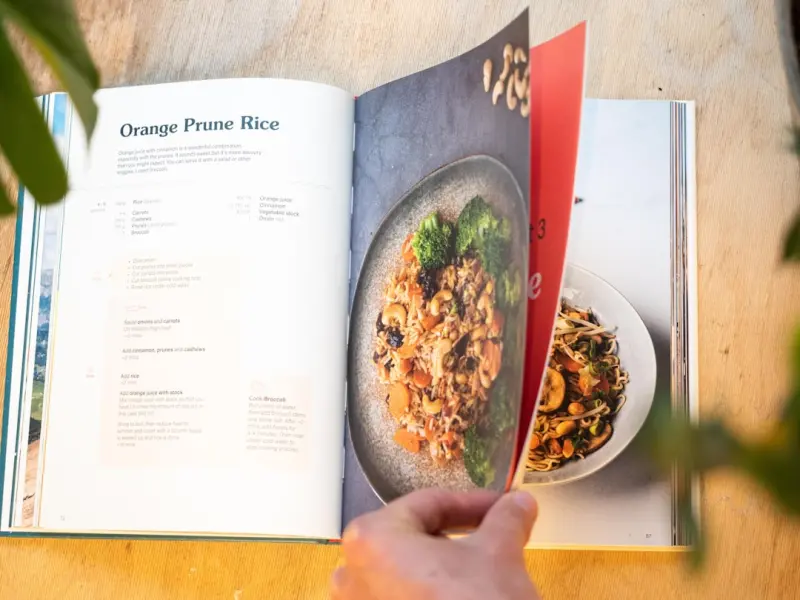
Why Your Fork Can Be a Compass
When I first set foot in a bustling night market in Taipei, I wasn’t thinking about landmarks or Instagram‑worthy vistas. I was staring at a steaming bowl of beef noodle soup, the broth glistening like amber, and I realized that food can point you toward the heart of a place in a way that any guidebook can’t. That moment sparked a habit I now call culinary cartography—the practice of mapping meals, flavors, and the stories that swirl around them as a deliberate way to navigate the world.
The Science Behind Eating Your Way Through a City
Our brains love patterns. When you pair a new taste with a location, you create a neural anchor that is far more resilient than a photo of a skyline. Researchers in cognitive psychology have shown that episodic memory—the recollection of personal experiences—is reinforced when multiple senses are engaged simultaneously. The aroma of fresh‑baked focaccia, the tactile crunch of a street‑side taco, the ambient chatter of locals—all of these sensory inputs form a rich tapestry that helps you recall not just the place, but the feeling of being there.
In practice, this means that the next time you’re scrolling through a photo album, a single bite of that minimalist packing snack you carried in your bag will instantly transport you back to the narrow alley where you discovered it.
Getting Started: Your First Flavor Map
Before you board the next flight, grab a notebook—or, if you’re feeling tech‑savvy, a note‑taking app—and set up three simple columns: Dish, Location, and Story/Emotion. Here’s a quick template you can copy:
- Dish: The name or description of the food.
- Location: Street name, market, restaurant, or even the exact GPS coordinate.
- Story/Emotion: Who you shared it with, what you felt, a surprising ingredient, or a cultural tidbit you learned.
Don’t worry about being a culinary expert; the goal is to capture the experience, not to write a Michelin guide. My first entry looked something like this:
- Dish: Charcoal‑grilled octopus with smoked paprika.
- Location: Rua das Flores, Lisbon.
- Story/Emotion: The vendor whispered that the octopus is “the sea’s memory,” and I felt the salty breeze of the Atlantic as I bit into it.
Layering Technology Without Losing the Soul
If you’re a fan of digital tools, consider pairing your flavor map with a bit of AI assistance. The article AI as Your Personal Muse shows how algorithms can spark creative ideas; you can use a similar approach to generate “food‑themed itineraries.” Input the dishes you’ve loved, and let an AI suggest nearby markets or hidden eateries that serve similar flavor profiles. This way, you’re not just following a static list; you’re co‑creating a dynamic, taste‑driven adventure.
Why Culinary Cartography Beats Traditional Sightseeing
Traditional sightseeing often feels like ticking boxes: “Eiffel Tower, Colosseum, Great Wall.” While these landmarks are awe‑inspiring, they rarely reveal the everyday rhythm of a community. Food, on the other hand, is a daily ritual. It tells you what locals value, what crops thrive, and even how history has shaped a region’s palate.
For instance, a simple bowl of miso soup in Kyoto is not just a starter; it’s a reminder of centuries‑old fermentation techniques and the Shinto reverence for purity. When you map such dishes, you’re essentially tracing cultural currents that have shaped societies for generations.
From Street Stalls to Family Kitchens: Expanding Your Map
Don’t limit yourself to restaurants. Some of the most memorable meals happen in a neighbor’s kitchen or a roadside stall where the chef has no signboard, only a smile. When I was in Oaxaca, I was invited into a family’s home for a dinner of mole negro. The recipe was a closely guarded secret, passed down through five generations, and each spoonful felt like a history lesson. I added this entry to my map with a note: “Ask the host about the story behind each spice; it’s a living archive.”
These intimate moments often provide deeper cultural insight than any guidebook can offer, and they create a network of personal connections that can turn a solitary trip into a series of lasting friendships.
Practical Tips for the Savvy Food Explorer
- Learn the basics of local etiquette. Knowing when to use chopsticks, how to order “tapas” correctly, or whether it’s polite to finish your plate can prevent awkward moments and open doors to richer conversations.
- Carry a reusable utensil kit. It’s eco‑friendly and shows respect for the local environment—plus, it saves you from having to buy disposable cutlery at every market.
- Ask locals for “off‑the‑grid” recommendations. Tourists often get the same dishes; locals can point you toward hidden gems that are not on TripAdvisor.
- Document flavors with words, not just photos. Write down taste notes: sweet, sour, umami, smoky, earthy. Over time you’ll develop a personal flavor lexicon that makes your map a true sensory archive.
- Stay open to surprise. Sometimes the best dishes are those you stumble upon when you follow your nose rather than a map.
Integrating the Map Into Your Travel Routine
Here’s how I weave culinary cartography into a typical travel day:
- Morning: Scan the local market stalls while having coffee. Pick one dish that catches your eye and note its location.
- Midday: After lunch, jot down the flavors you experienced. If possible, ask the vendor a quick question about the origin of a key ingredient.
- Evening: Review your notes, reflect on the emotions evoked, and perhaps share a short entry on social media—using a hashtag you’ve created for your flavor map, like #TasteTrail.
This rhythm keeps the experience fresh and ensures you’re actively engaging with each bite rather than passively consuming it.
Flavor Mapping for Sustainable Travel
Beyond personal enrichment, culinary cartography can help you travel more responsibly. By seeking out local, seasonal foods, you support farmers and reduce your carbon footprint. Many destinations have a vibrant farm‑to‑table scene; mapping those restaurants and markets can guide future travelers toward sustainable options.
When I visited the highlands of Peru, I deliberately chose eateries that sourced quinoa and potatoes from nearby cooperatives. My map now includes a “sustainable bites” tag, and I’ve shared it with fellow travelers looking to minimize impact while still indulging in authentic flavors.
Turning Your Map Into a Community Resource
One of the most rewarding outcomes of culinary cartography is the ability to share it. After a few trips, I compiled my entries into a digital PDF that I offered as a free download on my blog. Readers love the personal anecdotes, and many have added their own notes, turning the map into a collaborative, living document.
If you’re comfortable, consider publishing your map on a platform like Notion or a simple Google Sheet. Invite friends and fellow travelers to contribute. Over time, you’ll have a crowdsourced guide that reflects the evolving food landscape of each destination.
Potential Pitfalls and How to Avoid Them
Even the most enthusiastic food explorer can stumble. Here are common challenges and quick fixes:
- Over‑packing food guides. Resist the urge to carry heavy cookbooks; instead, rely on local conversations and quick online searches.
- Getting stuck in a “food tunnel vision”. Remember that cultural immersion is multi‑dimensional. Balance your meals with other activities—art, history, nature—to keep the experience holistic.
- Language barriers. Learn a few key phrases related to food (e.g., “spicy?”, “vegetarian?”, “how much?”) to ease ordering and show respect.
- Allergy concerns. Keep a card with your allergies written in the local language, and always double‑check ingredients.
Case Study: A Week in the Culinary Capital of Morocco
To illustrate the power of culinary cartography, here’s a snapshot from my recent week in Marrakech:
- Day 1 – Breakfast: Mint tea with msemen (layered pancake) at a rooftop café. Story: The owner shared that msemen is traditionally prepared for celebrations.
- Day 2 – Lunch: Tagine with preserved lemons and olives at a family‑run souk stall. Emotion: The sourness of the lemon reminded me of my childhood lemon pie.
- Day 3 – Snack: Fresh orange juice squeezed on the spot in Jemaa el‑Fnaa. Insight: Oranges are a major export; the juice is a symbol of Morocco’s agricultural wealth.
- Day 4 – Dinner: Couscous with seven vegetables at a community center. Connection: The dinner was part of a “food for all” initiative feeding locals and travelers alike.
- Day 5 – Street Food: Harira soup from a traveling vendor. Memory: The warmth of the soup on a cool evening felt like a comforting hug.
By the end of the week, my flavor map wasn’t just a list of dishes; it was a narrative of my interactions, emotions, and the subtle ways Moroccan culture seeped into my palate.
Bringing It Home: How to Keep the Flavor Map Alive After You Return
Once you’re back on familiar soil, it’s tempting to let the map gather dust. Instead, treat it as a living project:
- Revisit entries. Look back and notice any patterns—maybe you’re drawn to fermented foods, or you love dishes that incorporate fire (grilled, smoked, etc.).
- Translate flavors into home cooking. Try recreating a favorite dish using local ingredients. This deepens the cultural connection and keeps the memory vivid.
- Share with friends. Host a “Taste Trail” dinner where each course is inspired by a different entry on your map.
- Plan future trips. Use your map as a springboard to choose new destinations that offer flavors you’ve yet to explore.
Final Thoughts: Let Your Taste Buds Lead the Way
Travel is more than ticking landmarks off a list; it’s about immersing yourself in the rhythms, stories, and flavors that make each place unique. By turning each meal into a mapped point on your journey, you create a personal atlas that is as rich, layered, and unforgettable as the destinations themselves. So, the next time you pack your bags, remember to bring an empty notebook, a curious palate, and a willingness to let your fork become your compass.

Miranda Murphy: Experienced freelance writer with a decade of storytelling expertise. Let's create something amazing together!
Related Posts
When the Road Becomes a Lab: Turning Every Trip Into a Personal Experiment
Learn to turn travel into a personal laboratory by setting simple hypotheses, collecting data on the... Read More
Travel with Purpose: How to Build a Bucket List That Reflects Your Core Values
Learn to craft a travel bucket list that mirrors your core values, turning each trip into a meaningf... Read More
Beyond the Guidebook: Crafting Personal Narratives on the Road
Learn to transform every trip into a personal narrative by embracing minimalist packing, mindful mic... Read More
Top Posts
Crafting a Multi‑Sensory Garden That Engages All Five Senses
A guide to designing a garden that delights the eyes, ears, hands, nose, and mind, blending color, texture, soundscapes, tactile features, and aromatic plants f...Read More
Unlocking Your Backyard’s Hidden Microclimates for a Thriving Garden
Learn to identify and harness the subtle sun, shade, wind, and moisture zones in your yard, matching plants to each micro‑climate for a vibrant, low‑mainten...Read More
Paper‑Only Travel: Rediscovering Analog Adventures
Explore how traveling with paper maps, a handwritten journal, and a film camera can deepen connections, boost memory, and offer a mindful escape from digital ov...Read More

Pocket‑Size Expeditions: How Tiny Trips Turbocharge Creativity
Explore how the rhythmic experience of train journeys transforms travel into a creative laboratory, offering sustainable, socially rich, and inspiring micro‑a...Read More
0 Comments
Post Comment
You will need to Login or Register to comment on this post!