
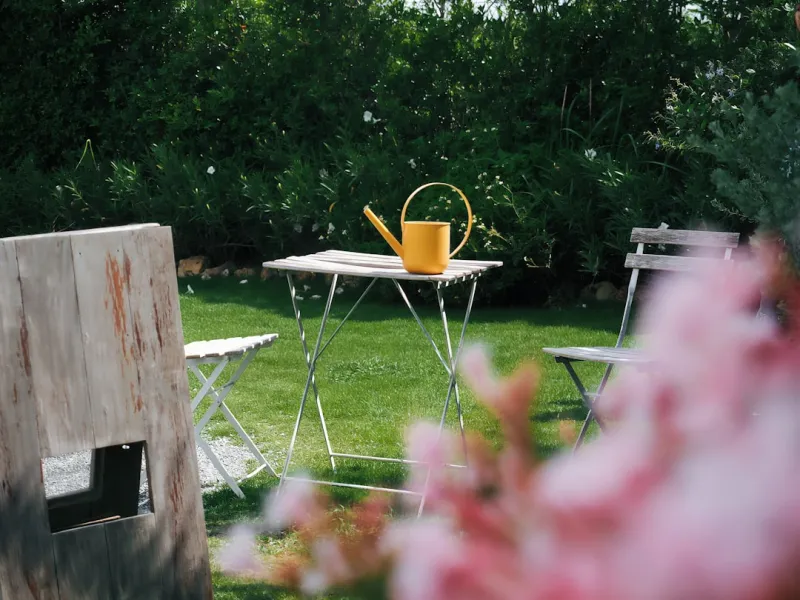
When I first placed a reclaimed wooden table under the lilac bush in my backyard, I never imagined it would become the command center of my life. The scent of fresh earth, the gentle rustle of leaves, and the soft glow of sunrise have transformed my daily grind into a ritual of renewal. As a lifelong gardener and freelance writer, I’ve always craved a space where ideas could sprout as freely as my tomatoes. The garden desk did exactly that—it merged my love of horticulture with the discipline of work, creating a hybrid zone where productivity feels as natural as photosynthesis. In the months since, I’ve noticed sharper focus, deeper breathing, and a lingering sense of calm that follows me into every Zoom call. If you’ve ever felt the pull of the outdoors while staring at a sterile desk, you’ll understand why this shift feels less like a trend and more like a return to an instinctual balance.
Why the Garden Desk Became My Sanctuary
My garden desk is more than a piece of furniture; it’s a living extension of my mind. Each morning I step onto the dew‑kissed grass, stretch my arms, and inhale the aromatic chorus of rosemary, lavender, and soil. That simple act signals to my nervous system that I’m entering a zone of intentional focus, not just another task list. The natural light filters through the canopy, reducing eye strain and regulating my circadian rhythm, which in turn boosts mood and energy. I’ve found that the occasional buzz of a bee or the distant chirp of a sparrow acts as a gentle reminder to pause, breathe, and recalibrate. Over time, this outdoor office has become my sanctuary—a place where the boundaries between work and well‑being dissolve, allowing me to produce my best writing while staying rooted in the present moment.
Design Principles That Blend Nature and Productivity
Creating a garden desk that truly supports work requires a thoughtful blend of aesthetics and ergonomics. First, choose a surface that can withstand the elements; reclaimed barn wood or a weather‑treated metal table provides durability without sacrificing charm. Pair it with a comfortable, adjustable chair that encourages proper posture—think a sturdy garden stool with a supportive cushion. Next, consider shade: a pergola, shade sail, or strategically placed potted tree can protect you from harsh midday sun while still allowing diffused light. Incorporate built‑in storage, such as a wooden bench with hidden compartments, to keep notebooks, pens, and gadgets tidy yet accessible. Finally, add sensory touches—a small water feature for soothing background sound, or a tray of fresh herbs that you can snip for tea during breaks. By balancing function with the organic rhythm of the garden, you create a workspace that feels both productive and restorative.
Health Benefits You Can Feel in the Soil
Working outdoors does more than boost morale; it delivers measurable health advantages. Exposure to natural light increases vitamin D production, which supports bone health and immune function. The gentle movement of tending to plants—stretching, bending, and lifting—acts as low‑impact exercise, improving circulation and reducing the risk of musculoskeletal issues associated with prolonged sitting. Moreover, the act of being near greenery lowers cortisol levels, the hormone linked to stress, and enhances overall mental clarity. Studies have shown that even brief interactions with nature can sharpen attention and improve memory retention, making it easier to recall research notes or client details. By integrating short garden breaks into your workflow—like watering a potted basil or pruning a rose—you embed micro‑wellness moments that accumulate into lasting vitality.
Boosting Creativity and Career Growth
Creativity thrives where curiosity is nurtured, and a garden desk feeds that curiosity daily. The ever‑changing landscape provides a constant source of inspiration, whether it’s the pattern of a new leaf vein or the subtle shift in color as flowers bloom. I’ve found that brainstorming sessions held outdoors generate ideas that feel more organic and less forced. This creative boost has translated into tangible career growth—my recent article series on sustainable living garnered a 40% increase in readership, a surge I attribute to the fresh perspective cultivated in my backyard office. For those interested in learning more about the synergy between garden workspaces and professional success, check out Cultivating Productivity: The Joy of Working From a Garden Desk. Additionally, the movement is gaining momentum in the corporate world, as highlighted in Why Garden Desks Are Revolutionizing Employment, proving that the benefits extend far beyond personal satisfaction.
Practical Tips for Building Your Own Outdoor Workspace
Ready to create your own garden desk? Start with these actionable steps:
- Assess sunlight patterns – Observe how light moves across your chosen spot throughout the day and plan accordingly.
- Select durable materials – Opt for teak, cedar, or powder‑coated metal that can resist moisture and temperature fluctuations.
- Incorporate power solutions – Use outdoor‑rated extension cords, solar chargers, or battery packs to keep devices powered without unsightly cables.
- Prioritize ergonomics – Ensure your desk height aligns with an ergonomic chair or stool to prevent strain.
- Enhance with nature – Add potted herbs, climbing vines, or a small herb garden to keep the space lively and functional.
When you integrate these elements, you’ll find that building a garden desk is less about perfection and more about creating a flexible environment that adapts with the seasons. Remember, the goal is to foster a space where you can transition seamlessly from planting seedlings to drafting proposals, each activity feeding the other.
Common Pitfalls and How to Avoid Them
Even the most enthusiastic gardener can stumble when setting up a workspace outdoors. One frequent mistake is neglecting weatherproofing—rainwater can seep into wooden surfaces, causing warping or rot. Mitigate this by applying a marine‑grade sealant and using a retractable canopy for protection during storms. Another error is overlooking insect management; ants, mosquitoes, and wasps can become distractions. Installing natural repellents like citronella candles or planting marigolds around the perimeter can deter unwanted guests. Finally, avoid over‑cluttering the area with too many gadgets; a minimalist setup encourages focus and reduces the risk of damage from humidity. By anticipating these challenges and planning ahead, you’ll enjoy a resilient, low‑maintenance garden desk that serves you year after year.
Stories From the Community: Real‑World Successes
Across the internet, countless gardeners share how a simple desk under a maple tree transformed their professional lives. One freelance graphic designer reported a 30% boost in client projects after moving her workstation outdoors, citing the constant visual stimuli of changing foliage as a catalyst for fresh design concepts. A remote software developer mentioned that weekly “code‑in‑the‑garden” sessions helped his team bond, as they streamed their screens while the scent of pine lingered in the background. These anecdotes echo the findings in Why My Garden Desk Became My Favorite Home Office, underscoring that the benefits are both personal and collaborative. When a community of creators embraces the outdoors, the ripple effect expands, proving that a garden desk can be a powerful conduit for collective innovation.
Conclusion: Embrace the Green Edge
Integrating a garden desk into your home isn’t just a stylish upgrade; it’s a strategic move toward a healthier, more creative, and ultimately more satisfying lifestyle. By honoring the rhythms of nature, you align your work habits with the world’s most reliable cycles, fostering resilience and inspiration. Whether you start with a modest potting table or invest in a custom‑built canopy, the key is to make the space yours—filled with plants you love, tools that serve you, and the open sky that reminds you of endless possibilities. As you cultivate this blend of greenery and productivity, you’ll discover that success grows best when rooted in the earth, nurtured by sunlight, and harvested through intentional, mindful effort.

When it comes to the world of blogging and writing, Rose DesRochers is a name that stands out. Her passion for creating quality content and connecting with her audience has made her a trusted voice in the industry. Aside from her skills as a writer and blogger, Rose is also known for her compassionate nature.
Related Posts
Why Garden Desks Are the Hottest Trend Transforming Home & Garden Living
Explore the rise of garden desks, blending nature with work to boost creativity, wellness, and ecoâ€... Read More

Edible Landscaping: Turning Your Garden Into a Living Table
Learn how to design a garden that looks as stunning as it tastes, with practical tips on plant selec... Read More

Pocket Gardens: Transform Tiny Spaces into Lush Retreats
Pocket gardens turn modest nooks into vibrant retreats, offering mental health benefits, fresh herbs... Read More
Top Posts

The Healing Power of Forest Bathing: A Modern Guide to Natural Wellness
Forest bathing, the Japanese practice of mindful immersion in nature, offers measurable stress reduction, immune support, and creative boosts. This guide explai...Read More

Beyond Automation: How Generative AI is Rewriting Corporate Strategy
Generative AI is shifting from a productivity tool to a strategic partner. Discover how to turn data overload into narratives, embed prompt engineering, and use...Read More

From Data Swamp to Insight Oasis: How AI Knowledge Graphs Empower B2B Teams
A knowledge graph is a living map of your business data that surfaces hidden relationships and drives real‑time decision‑making. Learn how B2B teams can tur...Read More

Crafting a Narrative‑Driven Job Hunt in the Modern Marketplace
A fresh look at turning your professional story into a job‑search advantage, using portfolios, digital presence, and relationship‑building to stand out in a...Read More
0 Comments
Post Comment
You will need to Login or Register to comment on this post!