

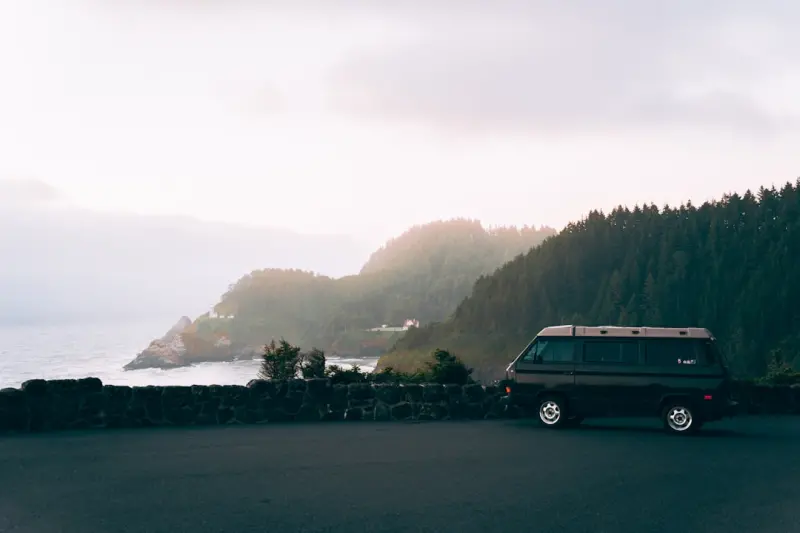
When I first stepped off a rickety dock in a mist‑shrouded fjord, the world didn’t just look different—it sounded, smelled, and even felt different. The salty air tingled my nostrils, the low hum of distant waterfalls vibrated through my boots, and a faint pine scent wrapped around me like a familiar blanket. That moment sparked a quiet revelation: travel isn’t merely about ticking places off a list; it’s about curating a full‑body experience that resonates on a sensory level.
Why Sensory Immersion Is the Next Travel Frontier
For years, travel guides have been dominated by “must‑see” landmarks, “top‑10” restaurant recommendations, and budget hacks. While those tools are invaluable, they often ignore the subtle ways our senses shape memory. Neuroscience tells us that memories encoded with strong olfactory, auditory, or tactile cues are up to ten times more likely to surface years later. In other words, a scent of fresh basil in a Tuscan market can instantly transport you back, far more powerfully than a photo of the Duomo.
Enter the era of sensory immersion travel. It’s a deliberate practice of designing itineraries that engage sight, sound, smell, taste, and touch in harmony. Think of it as composing a travel symphony—each sense plays its part, creating a richer, more resonant narrative of your journey.
Mapping Your Trip by the Senses
Before you book a flight, ask yourself three simple questions:
- What do I want to hear? The clang of a street market, the lullaby of ocean waves, or perhaps the rhythmic drumming of a local festival.
- What aromas do I crave? The incense of a temple, the earthy perfume of a rainforest after rain, or the comforting aroma of freshly baked bread.
- What textures will I explore? The cool smoothness of marble underfoot, the roughness of a centuries‑old stone wall, or the silkiness of a traditional garment.
By answering these, you begin to build a “sensory matrix” that guides accommodation, activities, and even the timing of your visits. For example, if you’re drawn to the sound of surf, schedule sunrise beach walks rather than midday swims when crowds drown out the natural rhythm.
Case Study: A Sensory Sojourn Through the Japanese Alps
Last autumn, I crafted a week‑long adventure in the Japanese Alps with a sensory lens. Here’s how the itinerary unfolded:
- Day 1 – Arrival in Matsumoto: I checked into a ryokan whose tatami mats exuded a subtle, calming scent of rice straw. The evening featured a kaiseki dinner where each bite was paired with a carefully selected herbal tea, enhancing the flavors with aromatic notes of jasmine and roasted barley.
- Day 2 – Alpine Hike: Dawn treks through cedar forests offered the crisp scent of pine needles and the gentle rustle of leaves underfoot. I paused at a mountain stream, letting the cold water cascade over my hands—a tactile reminder of nature’s raw vitality.
- Day 3 – Onsen Retreat: Soaking in a natural hot spring, I was enveloped by the subtle mineral aroma of the water, while the distant call of night birds created an auditory backdrop that felt almost meditative.
- Day 4 – Local Craft Workshop: I joined a master weaver, feeling the loom’s rhythm and the texture of hand‑spun cotton, while the workshop’s incense burned, weaving scent into the learning experience.
- Day 5 – Night Market Exploration: The bustling market buzzed with the sizzle of yakitori, the bright lantern lights painted the scene in warm amber, and the salty sea breeze from the nearby coast added an unexpected olfactory twist.
Each day was deliberately layered with sensory touchpoints, turning the trip into a living memory that still resurfaces when I light a pine‑scented candle at home.
Tools to Amplify Your Sensory Travel
While the concept sounds simple, technology can help you fine‑tune the experience:
- Soundscapes: Curate playlists that mirror the destination’s ambient sounds. Apps now let you blend nature audio experiences with local recordings, creating a personal soundtrack for flights or hotel stays.
- Smell‑Based Apps: Emerging platforms let you order scent kits tied to specific locales—think “Kyoto Cherry Blossom” or “Saharan Dusk.” Spritz a few drops before a city stroll, and you’ll notice nuances you’d otherwise miss.
- Touch‑Focused Gear: Pack lightweight, textured blankets or locally sourced fabrics. The tactile reminder of a destination’s material culture can be a comforting anchor after you return home.
Integrating Sensory Travel with Community‑Based Experiences
One of the most rewarding ways to deepen sensory immersion is by engaging with the people who shape those senses. The rise of pop‑up villages offers a perfect canvas. These temporary communities pop up in unexpected locations—think desert oases or mountain ridges—where locals host workshops, meals, and performances that are intrinsically tied to the environment.
When you join a pop‑up village, you’re not just a tourist; you become a participant in a living, breathing ecosystem of sound, scent, and touch. The crackle of a communal fire, the aroma of shared meals cooked over open flames, and the tactile joy of crafting with indigenous tools all blend into a holistic, memorable adventure.
Mindful Sensing: Pairing Travel with Structured Daydreaming
After a day packed with sensory overload, it can be tempting to unwind with a screen. Instead, try structured daydreaming. Set aside ten minutes in a quiet corner, close your eyes, and replay the day’s most vivid sensory moments. Let the scent of fresh basil, the echo of temple bells, and the feeling of cool stone under your palm swirl together. This mental rehearsal reinforces the neural pathways associated with your travel memories, ensuring they stay vibrant long after you return.
Practical Tips for the Sensory‑Savvy Traveler
Ready to dive in? Here are actionable steps you can start implementing on your next trip:
- Pack a Sensory Journal: Jot down scents, sounds, textures, and flavors you encounter. Sketch a quick visual cue next to each note. Over time, patterns will emerge, guiding future trips.
- Choose Accommodations Wisely: Opt for places that highlight local materials—hand‑woven linens, wooden beams, or stone walls. These tactile details enrich your stay beyond standard hotel décor.
- Schedule “Quiet Hours”: Dedicate at least an hour each day to sit in a park, a café, or a quiet street, focusing solely on what you hear and smell. Turn off notifications; let your senses take center stage.
- Engage Local Artisans: Whether it’s a pottery class, a perfume‑making workshop, or a traditional dance lesson, these activities embed you in the cultural texture of a place.
- Bring Home a Sensory Souvenir: Instead of a generic magnet, bring back a locally sourced spice blend, a piece of fabric, or a small bottle of essential oil that captures the destination’s essence.
The Long‑Term Benefits of Sensory Travel
Beyond the immediate joy, sensory‑focused trips have lasting impacts:
- Enhanced Well‑Being: Engaging the senses lowers cortisol and boosts dopamine, leaving you refreshed rather than exhausted.
- Improved Creativity: New auditory and olfactory inputs stimulate divergent thinking, often sparking fresh ideas for work or personal projects.
- Deeper Cultural Connection: When you learn the stories behind a market’s aroma or a traditional instrument’s timbre, you honor the community’s heritage in a respectful, immersive way.
Final Thoughts: Your Next Trip as a Sensory Story
Travel has always been a story we tell ourselves and others. By weaving sight, sound, smell, taste, and touch into that narrative, you transform a simple getaway into a multisensory saga that lives on long after the plane lands. The next time you plan a journey, think beyond the checklist—think about the scent of fresh rain on cobblestones, the whisper of wind through ancient arches, the texture of a handmade scarf draped over your shoulders. Let those sensations guide you, and you’ll discover that the world is far richer, more intimate, and infinitely more unforgettable than any guidebook can capture.

When it comes to the world of blogging and writing, Rose DesRochers is a name that stands out. Her passion for creating quality content and connecting with her audience has made her a trusted voice in the industry. Aside from her skills as a writer and blogger, Rose is also known for her compassionate nature.
Related Posts

Skill‑Hunting on the Road: Turning Every Trip Into a Mini‑Workshop
Discover how to design trips that double as mini‑workshops, allowing you to acquire tangible skill... Read More
Why Listening to Local Soundscapes Transforms Your Travel Experience
Explore the power of travel soundscapes: learn to capture, curate, and use ambient audio from destin... Read More
The Serendipity Method: Turning Every Trip into a Creative Spark
Travel isn’t just about hitting landmarks; it’s about inviting the unexpected. Learn the Serendi... Read More
Top Posts
Turn Your Backyard into an All‑Season Social Oasis
Discover how to design a versatile backyard oasis that adapts to every season, blending modular furniture, smart lighting, and outdoor cooking for endless enter...Read More

A Fresh Take on Mental Health: Crafting Your Personal Dashboard
Discover a step‑by‑step guide to designing a mental‑health dashboard that turns everyday feelings into clear data, helping you manage stress, boost energy...Read More
Designing a Backyard Herb Spiral: A Living Palette of Fresh Flavors
Discover the art of crafting a herb spiral—a compact, sustainable garden that delivers fresh herbs, attracts pollinators, and adds visual charm to any outdoor...Read More
Skill‑Swap Travel: Learn While You Roam
Skill‑swap travel transforms ordinary trips into collaborative workshops, letting you teach a skill while learning a new one from locals—creating meaningful...Read More
0 Comments
Post Comment
You will need to Login or Register to comment on this post!