
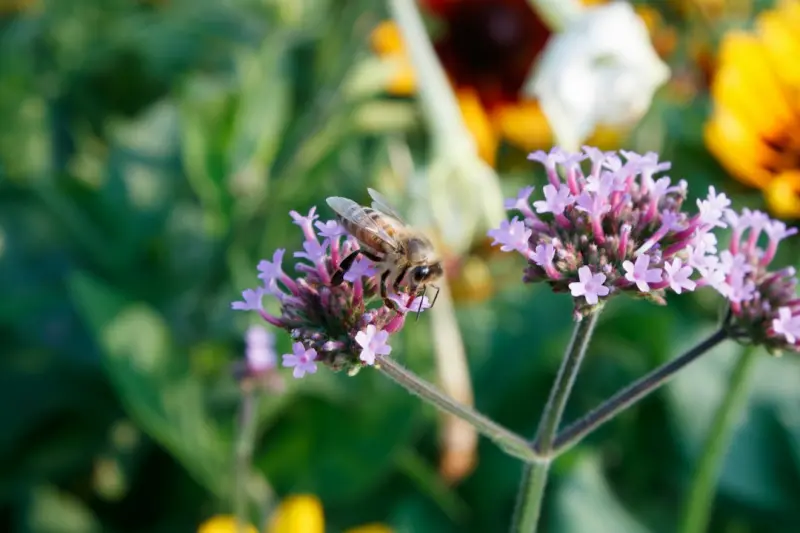
Why a Pollinator‑First Garden Is the Smartest Upgrade for Your Home
When I first swapped my high‑rise office desk for a modest backyard plot, I expected a modest hobby. What I got instead was a living, buzzing laboratory of cooperation—bees, butterflies, and hummingbirds all performing their own version of a sprint. Over the months, I realized that designing a garden with pollinators in mind isn’t just an aesthetic choice; it’s a strategic investment that pays dividends in biodiversity, food production, and even mental clarity.
The Hidden Economics of a Bee‑Friendly Yard
Think of pollinators as the unsung product managers of the natural world. They gather data (nectar), prioritize tasks (flower preferences), and deliver outcomes (fruit set) that feed the entire ecosystem. By providing the right resources, you essentially outsource a critical part of your garden’s “R&D” to nature itself.
Here’s how a pollinator‑first garden translates into tangible benefits:
- Higher Yields: Crops visited by bees can see up to a 30% increase in fruit size and quantity.
- Reduced Pest Pressure: Many pollinators also prey on garden pests, meaning fewer chemical interventions.
- Improved Soil Health: The increased activity of insects and their by‑products promote microbial diversity, which in turn enhances nutrient cycling.
Step 1: Map Your Garden’s “User Journey”
Just as a good software team maps out user flows, a pollinator‑friendly garden needs a clear pathway. Start by sketching a rough layout of your outdoor space, noting sunny spots, windbreaks, and existing plantings. Identify three core “stops” where pollinators will naturally congregate:
- Early‑Season Bloom Zone – Plants that flower in spring to kick‑start activity (e.g., Salvia nemorosa, Crocus).
- Mid‑Season Nectar Hub – Species that bridge the gap between spring and summer (e.g., Echinacea, Lavandula angustifolia).
- Late‑Season Resource Pool – Late‑blooming flora that keep the garden humming into autumn (e.g., Aster, Solidago).
This “journey map” ensures that pollinators never have to travel far without a reward, mimicking the seamless experience we aim for in a well‑designed app.
Step 2: Choose Native, Low‑Maintenance Plants
Native species are the open‑source libraries of the plant world—they’ve already been vetted for climate resilience, pest resistance, and pollinator appeal. Some of my go‑to choices include:
- Bee Balm (Monarda didyma) – A magnet for honeybees and hummingbirds alike.
- Black-eyed Susan (Rudbeckia hirta) – Long‑blooming and tolerant of poor soils.
- Milkweed (Asclepias syriaca) – Essential for monarch butterfly larvae.
- Coreopsis (Coreopsis verticillata) – Drought‑tolerant with abundant yellow flowers.
Because these plants are adapted to local conditions, you’ll spend less time weeding and more time watching the action.
Step 3: Provide Habitat, Not Just Food
Pollinators need more than nectar; they require nesting sites, water, and shelter. Consider adding these low‑effort features:
- Bee Hotels: Stacked bundles of hollow reeds or drilled wooden blocks create nesting chambers for solitary bees.
- Shallow Water Baths: A shallow dish with pebbles and a drizzle of water offers a safe drinking spot.
- Leaf Litter & Mulch: A layer of leaf litter on the garden floor provides overwintering sites for beetles and ground‑nesting bees.
These elements turn a simple flowerbed into a fully fledged ecosystem, much like adding logging and monitoring tools to a software platform.
Step 4: Sync With Seasonal Rhythms
While we’re not talking about circadian health directly, aligning plantings with natural seasonal cycles ensures that your pollinator garden never hits a “downtime” period. Staggered sowing—planting a few seeds every two weeks—keeps blooms coming on continuously, giving pollinators a reliable food source from early spring through late fall.
If you’re curious about how to extend the productive window of your garden beyond the traditional growing season, check out this guide on building a year‑round edible landscape. While the focus there is food production, the principles of staggered planting and micro‑climate creation are directly applicable to a pollinator‑centric design.
Step 5: Light Up the Night—But Keep It Natural
Many homeowners think about adding floodlights to highlight their garden at night, but bright white LEDs can disorient nocturnal pollinators like moths. Instead, opt for low‑intensity amber or warm‑white fixtures that mimic the moon’s glow. This subtle illumination creates a serene ambience without compromising the insects’ navigation systems.
For a deeper dive into how lighting can be both functional and ecosystem‑friendly, see the post on seasonal garden lighting. The tips there help you strike the perfect balance between aesthetic appeal and ecological stewardship.
Step 6: Monitor, Iterate, and Celebrate
Just as you’d track KPIs for a product launch, keep an eye on your garden’s performance. Simple metrics include:
- Number of active pollinator species observed each week.
- Fruit set percentages on edible plants.
- Soil moisture and organic matter levels.
Take notes in a garden journal (or a digital note‑taking app) and adjust plant selections or habitat features as needed. Over time, you’ll see a clear upward trend in both biodiversity and garden productivity.
Bonus: The Unexpected Mental Upside
While the primary goal of a pollinator garden is ecological, the side effects on mental well‑being are undeniable. Watching a bee’s diligent work or a butterfly’s graceful arc can induce a state of mindful presence—something I’ve found far more restorative than any productivity‑focused interior makeover.
In fact, the gentle hum of a thriving pollinator community creates a soundscape that rivals the engineered serenity of a garden designed for ear healing. The difference is that here the “serenity” is emergent, not manufactured, making it feel more authentic and deeply grounding.
Putting It All Together: A Sample Layout
Below is a quick visual guide you can adapt to a 20‑by‑30‑foot backyard:
- North‑East Corner: Early‑season blooms (crocus, dwarf iris) with a bee hotel tucked into a stone wall.
- Center Strip: A mix of bee balm, lavender, and coneflower, providing a mid‑season nectar hub.
- South‑West Edge: Late‑season asters and goldenrod, paired with shallow water dishes.
- Perimeter: Low‑height native grasses for shelter and a mulched border to retain moisture.
- Lighting: Warm amber LEDs spaced 10 feet apart, set on a timer to illuminate only after dusk.
This layout ensures continuous bloom, diverse habitats, and a gentle nighttime glow—all while keeping maintenance minimal.
Final Thoughts: A Garden That Works for Everyone
Designing a pollinator‑first garden is a bit like building a resilient product: you start with user research (understanding local pollinators), choose the right tech stack (native plants), add supporting infrastructure (nesting sites, water), and iterate based on feedback (observations and metrics). The result isn’t just a prettier yard—it’s a living, self‑sustaining system that feeds your plants, supports wildlife, and offers you a daily dose of quiet wonder.
If you’ve been waiting for a concrete reason to trade a few ornamental shrubs for native wildflowers, consider this: every bee that visits your garden is a tiny ambassador of ecological health, and every blossom you nurture is a step toward a more resilient, thriving neighborhood.
So roll up your sleeves, grab a trowel, and start planting the future—one pollinator at a time.

Ryan Stuart is a seasoned freelance features writer, editor, and professional photographer with a passion for exploring the world and capturing its beauty through words and images.
Related Posts

Breathe Better at Home: Practical Steps to Elevate Indoor Air Quality
A step‑by‑step guide shows how to enhance indoor air quality through ventilation, houseplants, D... Read More
Garden Desk Revolution: How Outdoor Workspaces Are Redefining Home Life
Explore the garden desk trend that merges work and well‑being, turning patios into productive, hea... Read More
Elevate City Living with a Rooftop Herb Garden
Turn your under‑used rooftop into a fragrant herb haven. Learn practical steps, plant picks, and d... Read More
Top Posts

How Employee‑Led Innovation Labs Transform Workplace Culture
Employee‑led innovation labs give every team member a sandbox to turn everyday insights into measurable business outcomes, fostering engagement, psychological...Read More

Sensory Reset: How Scent and Touch Can Supercharge Your Personal Care Routine
A quick, science‑backed sensory reset—using essential oils and gentle scalp or hand massage—can shift your brain from stress mode to a productive state, o...Read More

The Phone‑Free Travel Reset: Reclaiming Presence on the Road
A phone‑free day on the road lets you hear market chatter, taste food before photographing it, and build genuine connections, turning travel into a deeper, mo...Read More

Microlearning in Motion: How AI Keeps Skills Fresh on the Fly
Explore how AI‑enabled microlearning brings bite‑sized, just‑in‑time training directly into employees’ workflows, boosting relevance, retention, and m...Read More
0 Comments
Post Comment
You will need to Login or Register to comment on this post!