
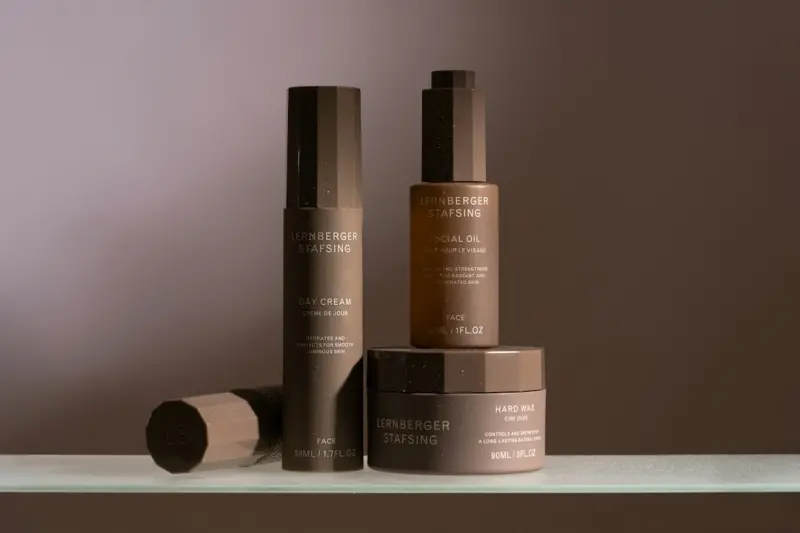
When most of us think about personal care, the first images that surface are often bottles of serum, a splash of cold water, or the occasional spa day. What if the real game‑changer isn’t a new gadget or a trending fragrance, but an entire ecosystem living on our skin? Below, I’ll walk you through the fascinating world of the skin microbiome, why it matters, and how you can start treating these microscopic allies as partners in your daily routine.
The Invisible Community on Your Skin
Every square inch of your skin hosts millions of bacteria, fungi, and viruses that form a complex, symbiotic community. This microbiome acts as a protective barrier, competes with harmful invaders, and even communicates with your immune system. Think of it as a neighborhood watch that never sleeps.
Research shows that a balanced skin microbiome can:
- Reduce the frequency and severity of acne breakouts.
- Mitigate eczema flare‑ups and rosacea symptoms.
- Enhance the skin’s natural barrier, keeping moisture in and pollutants out.
- Influence mood through the skin‑brain axis, a lesser‑known pathway where skin signals can affect emotional states.
In short, a thriving microbiome isn’t just a vanity concern; it’s a cornerstone of holistic health.
Why Traditional Personal Care Often Misses the Mark
Most commercial products focus on killing bacteria to achieve a “clean” feeling. While that might feel satisfying in the moment, it can also strip away the good microbes that keep the skin resilient. Over‑cleansing, excessive exfoliation, and harsh antiseptics can leave the microbiome in a state of chronic imbalance, or dysbiosis.
Rather than a one‑size‑fits‑all approach, the future of personal care should be about nurturing the microbial community. This shift mirrors how nutrition moved from calorie counting to gut health. The skin is the next frontier.
Three Pillars to Support Your Skin’s Microbial Garden
1. Choose Micro‑Friendly Formulations
Look for products that contain prebiotics (ingredients that feed beneficial microbes) and probiotics (live beneficial strains). Common prebiotic ingredients include:
- Inulin
- Fructooligosaccharides (FOS)
- Galactooligosaccharides (GOS)
Probiotic skin care is still emerging, but you’ll find creams infused with Lactobacillus or Bifidobacterium extracts. These help replenish the microbiome after a cleansing routine.
When you’re unsure, consider the philosophy behind a brand: does it claim to “balance” rather than “purify”? A balanced claim often signals a gentler, microbiome‑aware formula.
2. Rethink Your Cleansing Ritual
The temptation to scrub aggressively is strong, especially after a long day. But a softer approach can preserve microbial diversity. Here are practical adjustments:
- Switch to a low‑pH cleanser. Skin’s natural acidity (pH 4.5–5.5) supports beneficial bacteria. A high‑pH soap can disrupt this balance.
- Limit cleansing to twice daily. Over‑washing removes not only dirt but also the good microbes that have settled on the surface.
- Finish with a “micro‑boost” spray. Lightly misting a probiotic mist after washing can reseed the skin quickly.
3. Feed Your Skin from the Inside Out
The gut‑skin axis is a real phenomenon: what you eat influences the microbes that populate your skin. Incorporate these habits:
- Consume fermented foods such as kimchi, kefir, and tempeh to boost systemic probiotic levels.
- Eat a rainbow of colorful vegetables rich in polyphenols, which act as prebiotics for skin bacteria.
- Stay hydrated. Water supports the skin’s barrier function, allowing microbes to thrive in a well‑moisturized environment.
Even small dietary tweaks can ripple through to the surface of your skin, making it more resilient and radiant.
Practical Daily Routine: A Microbiome‑First Blueprint
Below is a step‑by‑step guide you can adopt tomorrow morning:
- Morning cleanse. Use a gentle, low‑pH facial wash. Avoid foaming cleansers that contain sulfates.
- Apply a prebiotic toner. Look for ingredients like oat extract or chicory root.
- Layer a probiotic serum. These are often water‑based and absorb quickly.
- Seal with a barrier‑enhancing moisturizer. Products containing ceramides and hyaluronic acid lock in moisture without suffocating the microbiome.
- Finish with a protective spray. A light mist of probiotic spray can add an extra layer of microbial support.
In the evening, you can repeat the steps, swapping the serum for a richer probiotic night cream if desired.
DIY: Fermented Skincare at Home
For the adventurous, fermenting your own skincare can be rewarding. Here’s a simple recipe for a probiotic face mask:
- 1 tablespoon raw honey (naturally antimicrobial but also prebiotic).
- 1 teaspoon plain, unsweetened yogurt (contains live cultures).
- A few drops of rose water (optional, for soothing scent).
Mix, apply for 10‑15 minutes, then rinse with lukewarm water. The live cultures in yogurt can help seed the skin, while honey provides nourishment.
What Science Says: Emerging Research
Recent studies have identified specific strains—such as Staphylococcus epidermidis—that can inhibit acne‑causing Propionibacterium acnes. Clinical trials are also exploring topical applications of Roseomonas mucosa for eczema relief. While the field is still nascent, the data is compelling enough to start adjusting our habits now.
If you’re curious about how technology is further shaping this space, you might want to explore how technology is reshaping skin health. Wearables that monitor skin pH and moisture are already on the market, providing real‑time feedback that can help you fine‑tune your microbiome‑friendly routine.
Beyond the Skin: Scent and Microbial Harmony
While the focus here is microbes, it’s worth noting that scent can influence the microbiome indirectly. Certain essential oils have antimicrobial properties that, when used responsibly, can balance skin flora without wiping out beneficial strains. For a deeper dive into the relationship between fragrance and wellbeing, check out this piece on the impact of scent on wellbeing. Pairing a mild lavender mist with a probiotic routine, for example, can enhance relaxation while supporting microbial health.
Future Outlook: The Rise of Personalized Microbiome Skincare
Imagine a future where a simple skin swab uploads your microbial profile to a cloud service, which then recommends a custom blend of pre‑ and probiotic ingredients tailored just for you. Companies are already piloting such services, and as sequencing costs drop, this level of personalization will become mainstream.
Until then, the best you can do is to stay informed, read ingredient labels, and treat your skin as a living ecosystem rather than a static canvas.
Key Takeaways
- Respect the skin’s native microbiome; it’s a critical defender.
- Choose products with prebiotic and probiotic ingredients.
- Adopt a gentle cleansing routine that maintains low skin pH.
- Support skin health from within with fermented foods and diverse nutrients.
- Experiment with DIY fermented masks for an extra probiotic boost.
- Stay curious about emerging tech and scent‑based approaches that complement microbial care.
By shifting from a “clean‑and‑clear” mindset to a “balanced‑and‑alive” perspective, you’ll notice not only clearer skin but also a subtle lift in mood and confidence. Your skin’s tiny allies are waiting—give them the care they deserve.

Robert Mathews is a professional content marketer and freelancer for many SEO agencies. In his spare time he likes to play video games, get outdoors and enjoy time with his family and friends .
Related Posts

Touch Therapy: How Everyday Self‑Massage Can Supercharge Your Personal Care
Learn to integrate quick self‑massage techniques into your daily routine, using touch to improve c... Read More
Fermented Skincare: Turning Kitchen Culture into Radiant Skin
Explore the science and DIY steps behind fermented skincare, learning how probiotic-rich formulas fr... Read More

The Scent‑Driven Personal Care Revolution: How Smell Shapes Well‑Being
Discover the power of scent in personal care: from morning citrus boosts to evening lavender wind‑... Read More
Top Posts

How to Build a Personal Skills Marketplace Within Your Company
Learn to launch a living talent marketplace inside your organization, turning hidden expertise into a powerful engine for collaboration, innovation, and career ...Read More

Reimagining Mental Health: The Power of Structured Daydreaming
A practical guide to using gentle, intentional daydream sessions as a mental‑health tool, paired with sensory sanctuaries, tiny social check‑ins, and lastin...Read More

Why Employee Sabbaticals Are the Secret Weapon for Modern Companies
Explore why extended, purposeful breaks are becoming essential for companies seeking higher innovation, lower turnover, and a more engaged workforce....Read More

Wanderlust with Purpose: Turning Vacation Days into Community Impact
Explore practical ways to turn your vacation into a force for good, from micro‑volunteering and local collaborations to mindful travel habits that leave a pos...Read More
0 Comments
Post Comment
You will need to Login or Register to comment on this post!