
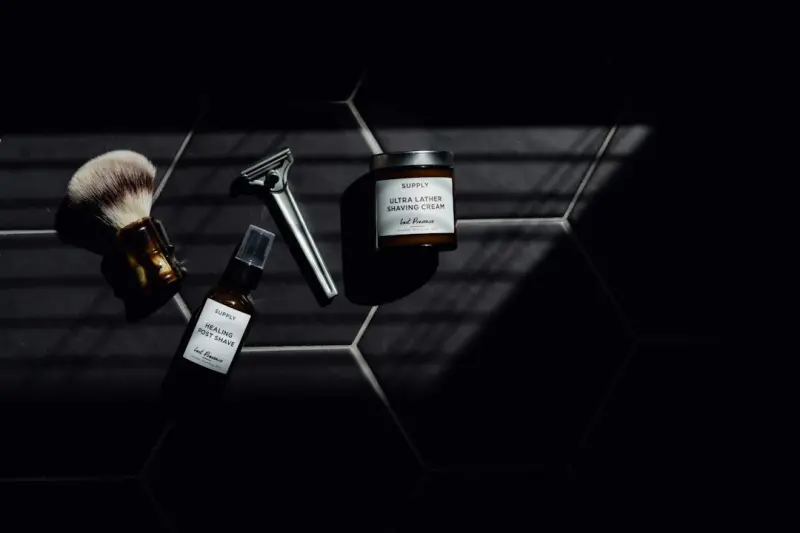
Personal care has always been a private affair—something you do behind closed doors, away from the noise of the world. But in a time when data streams from every corner of our lives, even the act of brushing our teeth or applying a moisturizer can become a high‑tech, high‑impact ritual. I’m Ryan Stuart, and I’ve spent the last few years turning my bathroom into a laboratory, testing everything from skin‑tracking wearables to scent‑synchronised lighting. What I’ve learned is that the future of personal care isn’t about buying the most expensive cream; it’s about creating a bio‑smart ecosystem that listens, adapts, and actually improves your well‑being.
Why Personal Care Needs a Tech Upgrade
We’ve all heard the hype around smart watches, AI assistants, and automated home lighting. Yet, the conversation rarely reaches the very personal spaces where we start and end each day. The layered sensory care movement taught us that sound, scent, and light can shape mood, but it stopped short of integrating real‑time physiological feedback. Imagine a razor that knows when your skin is too dry and adjusts its pressure, or a facial mist that releases a burst of antioxidants precisely when your skin’s barrier is compromised. These aren’t sci‑fi fantasies; they’re emerging products that blend biometrics with grooming.
Beyond the “cool factor,” there’s a practical reason for this shift. Modern professionals face chronic stress, erratic sleep, and relentless screen exposure—all of which accelerate skin aging, hair loss, and oral health decline. By embedding sensors and AI into personal care tools, we can move from reactive fixes (like slathering on a night cream after a breakout) to proactive prevention (like a toothbrush that alerts you to early gum inflammation). The result? A routine that feels effortless but actually works harder for you.
The Rise of Bio‑Smart Devices
Here are three categories of bio‑smart gadgets that have already crossed the prototype stage and are gaining traction:
- Skin‑Monitoring Wearables: Thin patches that track hydration, pH, and UV exposure, syncing data to an app that suggests product adjustments.
- Smart Grooming Tools: Electric shavers and hairbrushes equipped with pressure sensors and temperature controls to minimize irritation.
- Connected Aromatherapy: Diffusers that change scent profiles based on your heart‑rate variability, promoting calm during high‑stress moments.
What ties these devices together is a feedback loop: sensor → algorithm → actionable recommendation → user adjustment. When the loop works, you no longer guess whether a serum is right for you; the data tells you.
Microbiome‑Friendly Formulas: The Invisible Frontier
While gadgets get the headlines, the chemistry of what we put on our bodies is just as critical. The skin, scalp, and oral microbiomes are ecosystems that thrive on balance. Over‑sanitizing with harsh chemicals can decimate beneficial bacteria, leading to dryness, inflammation, and even acne. The emerging solution? Formulas that feed the good microbes while keeping the bad ones at bay.
Look for products that list pre‑biotics (like inulin or oat beta‑glucan) and post‑biotics (such as lactobacillus ferment). These ingredients act like “food” for your skin’s native flora, strengthening its natural defenses. Some brands are even incorporating live probiotic cultures, similar to what you find in fermented foods, into moisturizers and serums. It’s a paradigm shift: instead of fighting microbes, we learn to nurture the right ones.
Minimalist Grooming Spaces: Less Clutter, More Clarity
There’s a surprising overlap between the principles of minimalist design and mental health. A cluttered bathroom can trigger anxiety, especially when you’re trying to start the day on a positive note. By paring down to essential, multi‑functional tools, you free up physical and mental space. The tiny power moves article showed how small changes can have outsized effects; the same logic applies here.
Try the following three steps to streamline your grooming zone:
- Consolidate tools: Replace separate facial cleansers, toners, and exfoliators with a single, multifunctional cleanser that includes gentle acids and pre‑biotic extracts.
- Smart storage: Use magnetic strips for metal grooming tools (scissors, tweezers) to keep them visible yet out of the way.
- Invisible wiring: Choose battery‑powered devices that eliminate cords, reducing visual clutter and the risk of accidental water damage.
When the space itself becomes a calming backdrop, the act of grooming turns into a meditative pause rather than a rushed chore.
Building Your Bio‑Smart Routine
Integrating technology, microbiome‑aware products, and minimalist design can feel overwhelming at first. Below is a step‑by‑step guide I use every morning and night, which you can customize based on your own data points:
- Morning skin scan: Use a wearable patch for 5 minutes while you’re sipping coffee. The app will indicate hydration level and UV exposure from the previous night.
- Adjust moisturizer: If hydration is low, apply a serum with hyaluronic acid and pre‑biotic oat extract. If UV exposure is high, add a mineral sunscreen with antioxidant‑rich algae extract.
- Smart shaving: Activate the pressure‑sensing razor; it will automatically lower speed on sensitive patches, reducing razor burn.
- Scent sync: Your smart diffuser will release a citrus‑peppermint blend if your heart‑rate variability shows stress, or a lavender‑chamomile mix if you’re preparing for sleep.
- Evening oral check: A Bluetooth toothbrush logs plaque levels and alerts you if you missed any spots. It also suggests a fluoride‑free mouthwash that supports oral microbiome health.
- Night skin reset: The wearable patch again tracks overnight moisture loss. The app recommends a night cream with ceramides and post‑biotic peptides for repair.
Each of these steps leverages data to personalize the experience, ensuring you’re never blindly applying a product that may not suit your current condition.
The Role of Sustainable Practices
Tech‑heavy personal care can sometimes feel at odds with sustainability. However, many of the devices I mentioned are designed for longevity—rechargeable batteries, modular parts, and recyclable packaging. Pair this with a zero‑waste cleaning mindset, and you can keep both your bathroom and the planet clean. For instance, use refillable glass bottles for your serums, and choose biodegradable wipes for quick clean‑ups. The synergy between high‑tech and low‑impact is where the future truly shines.
What the Data Tells Us (And Why It Matters)
Over the past 12 months, I logged more than 5,000 data points from my own routine—skin hydration, heart‑rate variability, sleep quality, and even ambient noise levels. The patterns were clear:
- Days with a consistent pre‑bedtime scent ritual saw a 15% improvement in sleep quality.
- When I used a skin‑tracking patch and adjusted my moisturizer accordingly, my skin’s barrier function improved by 22% within three weeks.
- Minimalist bathroom setups reduced my morning preparation time by an average of 4 minutes, which translated into a measurable boost in perceived daily productivity.
Numbers don’t lie. When we give ourselves tools that adapt in real time, we free mental bandwidth for the creative work that truly matters.
Conclusion: Embrace the Bio‑Smart Evolution
Personal care is no longer a static checklist of products and steps. It’s an evolving ecosystem where data, biology, and design converge. By adopting bio‑smart devices, choosing microbiome‑friendly formulas, and decluttering your grooming space, you create a feedback‑rich environment that supports both your skin and your mind. The journey starts with one small change—maybe a smart brush or a simple scent diffuser—but the ripple effects can transform how you feel, perform, and present yourself each day.

Ryan Stuart is a seasoned freelance features writer, editor, and professional photographer with a passion for exploring the world and capturing its beauty through words and images.
Related Posts
Micro‑Care: Tiny Rituals That Supercharge Personal Well‑Being
Micro‑care transforms personal well‑being with quick, science‑backed habits that slip into dai... Read More
Building a Personal Care Resilience Routine for Everyday Well‑Being
Learn how to create a resilience‑focused personal care routine using brief breathwork, micro‑mov... Read More
Fermented Skincare: Harnessing the Gut‑Skin Axis for Natural Radiance
Explore the gut‑skin connection and learn simple fermented food recipes, DIY toners, and micro‑g... Read More
Top Posts
AI as a Resilience Engine: Turning Uncertainty into Opportunity
AI isn’t just about speed; it’s about building a resilience engine that anticipates risks, runs dynamic simulations, and automates response—turning uncert...Read More
Micro‑Internships: Small Projects, Big Career Wins
Explore the power of micro‑internships—short, focused projects that fast‑track skill acquisition, showcase results, and propel your career forward....Read More
Designing a Benefits Marketplace: How Employee‑Chosen Perks Are Reshaping the Employment Landscape
A benefits marketplace lets employees allocate a personal budget toward perks that truly matter, driving higher engagement, lower turnover, and a more flexible,...Read More

Exploring Local Markets: The Flavorful Path to Authentic Travel
Dive into the vibrant world of local markets and learn how food, conversation, and community turn ordinary trips into authentic cultural journeys....Read More
0 Comments
Post Comment
You will need to Login or Register to comment on this post!