
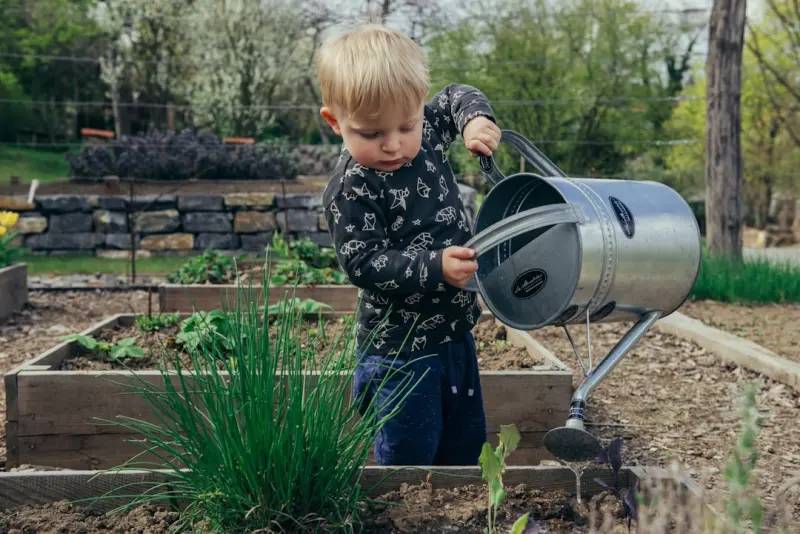
Why Sustainable Water Management Is the New Backbone of Any Garden
When you walk through a garden that feels alive, the first thing you notice isn’t the blooming roses or the sculpted hedges; it’s the quiet hum of water working behind the scenes. In my own backyard, I discovered that a garden’s health hinges on how intelligently we capture, store, and reuse that precious resource. Traditional irrigation can feel wasteful, especially during dry spells, and the bill for a sprinkler system can quickly outpace the budget of even the most enthusiastic homeowner. By rethinking water as a design element rather than a utility, you can transform a modest plot into a resilient oasis that thrives year after year. This approach isn’t just about saving pennies—it’s about honoring the natural water cycle and creating a landscape that looks good while doing good for the planet.
Mapping Your Space: From Rainwater Collection to Distribution
The first step toward a water‑wise garden is a simple, honest assessment of your property’s topography. Grab a garden hose, turn it on, and watch where the water pools after a few minutes; those low‑lying spots become natural basins that can double as rain barrels or underground cisterns. From there, sketch a basic plan that marks where gutters, downspouts, and swales will channel runoff toward your storage solutions. A well‑placed rain barrel can capture anywhere from 40 to 80 gallons per storm, and when linked to a drip‑irrigation network, it delivers moisture directly to plant roots where it’s needed most. The beauty of this system is its scalability—whether you have a single patio container garden or a sprawling suburban yard, the same principles apply. As you map out the flow, think of the garden as a living organism, with veins (pipes) and arteries (drip lines) that keep the whole system hydrated.
Integrating Smart Garden Tech for Efficient Irrigation
Technology can be a gardener’s best ally when you’re striving for precision without the headache of constant manual adjustments. Devices like soil moisture sensors and weather‑linked controllers make it possible to water only when the soil truly needs it, cutting back on waste by up to 30 percent. For those curious about how automation can elevate a home garden, check out smart garden automation for a deeper dive into sensor‑driven watering schedules. Pairing a simple Bluetooth‑enabled valve with a mobile app lets you monitor moisture levels from the couch, and some systems even integrate with voice assistants for hands‑free control. The key is to start small—install a sensor in a high‑needs zone, observe the data, and gradually expand the network. Over time, the garden learns to thrive on a rhythm that mirrors the climate, reducing your workload and your water bill simultaneously.
Building Soil Health with Natural Amendments
Even the most sophisticated watering system will falter if the soil can’t hold onto moisture. The secret lies in creating a loamy, well‑structured medium that acts like a sponge, absorbing water and releasing it slowly to the roots. Organic matter—think composted leaves, shredded bark, and kitchen scraps—adds both nutrients and pore space, allowing water to infiltrate rather than run off. For gardeners who prefer a low‑maintenance approach, consider integrating a thin layer of biochar; it not only improves water retention but also sequesters carbon, making your garden a tiny climate‑positive zone. When you amend the soil, work in small batches, mixing in the organic material to a depth of six to eight inches. This method encourages beneficial microbes to flourish, turning each watering cycle into a symbiotic dance between plant, soil, and water.
Selecting Drought‑Resilient Plants that Complement Seasonal Color
Choosing the right plant palette is where aesthetics meet practicality. Opt for species that are native or well‑adapted to your region’s climate—these plants have evolved to make the most of limited water and will reward you with vibrant blooms or foliage year after year. Think lavender, ornamental grasses, and succulent groundcovers that add texture without demanding constant hydration. If you’re looking for inspiration on how to weave color throughout the growing season, our guide on seasonal color ideas offers a roadmap for pairing drought‑tolerant varieties with bold accents that change with the sun. By grouping plants with similar water needs together, you can create “hydrozones” that simplify irrigation and ensure each group receives just the right amount of moisture, keeping the garden looking lush while conserving resources.
Eco‑Friendly Mulch Options that Lock in Moisture
Mulch is the unsung hero of a water‑smart garden, acting as a protective blanket that reduces evaporation, suppresses weeds, and slowly feeds the soil as it decomposes. While traditional bark chips are popular, there are greener alternatives that add even more value. Recycled newspaper, shredded cardboard, or even a layer of straw can be laid down in thin sheets to create an effective barrier. For a more decorative touch, consider using pine cones or fallen leaves, which break down over time and enrich the soil. The trick is to apply a mulch depth of three to four inches—enough to do the job without suffocating the roots. Regularly inspect the layer throughout the season; as it breaks down, replenish it to maintain consistent coverage, and you’ll notice a measurable reduction in the frequency of watering cycles.
DIY Garden Furniture from Reclaimed Materials
One of the most satisfying projects for a garden enthusiast is crafting functional décor from items that would otherwise end up in a landfill. Repurposed pallets, old timber, and even reclaimed metal can be transformed into sturdy benches, planters, and shade structures that blend seamlessly with the natural environment. A simple pallet, sanded and treated, becomes a low‑profile seating area that invites conversation, while a row of salvaged wooden crates can serve as modular raised beds that double as storage for garden tools. For those who enjoy a pet‑friendly approach, see how pet‑friendly garden design can incorporate durable surfaces that stand up to paws and claws. The beauty of DIY furniture lies in its adaptability; you can adjust the size, finish, and layout as your garden evolves, creating a personalized sanctuary that reflects your creativity and commitment to sustainability.
Creating Ambient Lighting with Low‑Energy Solutions
Even after the sun sets, a garden can remain a vibrant extension of your living space through thoughtful lighting design. Solar‑powered LED lanterns, string lights, and low‑voltage spotlights provide illumination without adding to your electric bill, and they can be positioned to highlight focal points such as a water feature, a sculpture, or a cluster of fragrant herbs. To keep the atmosphere warm and inviting, opt for warm‑white LEDs that mimic the glow of a firefly, and use motion sensors on pathways for safety and energy efficiency. By integrating lighting into your irrigation plan—running cables through existing drip lines, for example—you minimize visual clutter and maintain a clean aesthetic. A well‑lit garden not only extends your outdoor enjoyment into the evening but also enhances security, making the space feel safe and welcoming for family and guests alike.
Seasonal Maintenance Checklist to Keep Your Garden Thriving
Consistent, low‑effort upkeep is the cornerstone of a garden that looks immaculate year after year. Early spring is the perfect time to inspect rain barrels for debris, test soil moisture levels, and prune any winter‑hardy shrubs that have become overgrown. Mid‑season, focus on checking drip emitters for clogs and replenishing mulch to maintain moisture retention. As summer peaks, monitor water usage closely—adjust timers on smart controllers if rainfall exceeds expectations, and rotate crops in vegetable beds to prevent nutrient depletion. Fall brings the opportunity to aerate soil, add a layer of compost, and protect vulnerable plants with burlap covers or frost blankets. By following a simple, season‑specific checklist, you’ll catch potential issues before they become costly problems, ensuring that your garden remains a source of pride and relaxation throughout the year.

Jimmy Damon loves to right on a large scale of topics with all things Canadian as this Montreal die hard loves hockey. fishing and sports.
Related Posts
The Rise of the Living Kitchen: Merging Gardens with Culinary Spaces
Learn how to integrate herbs, microgreens, and smart growing tech into your kitchen, creating a sust... Read More
Cultivating Creativity: How a Garden Desk Can Transform Your Home Workspace
Turn your backyard into a productive oasis with a garden desk—learn design tips, ergonomic hacks, ... Read More

Trending Home & Garden: Why Garden Desks Are the Must‑Have 2024 Upgrade
Jimmy Damon explains how garden desks are reshaping home life, boosting productivity, and redefining... Read More
Top Posts

Seasonal Garden Lighting: How to Brighten Your Outdoor Space All Year
Discover practical, eco‑friendly lighting ideas that adapt to each season, enhance safety, set mood, and integrate seamlessly with your home’s design....Read More

Scent‑Driven Self‑Care: How Aromatherapy Can Upgrade Your Daily Routine
Aromatherapy isn’t just a luxury; it’s a functional tool for modern professionals. Learn how specific scents can sharpen focus, reduce stress, and seamlessl...Read More

When Your Brain Is on Overdrive: Resetting the Mental Clock
Explore how to tame constant digital noise, use curiosity as a mental workout, and create micro‑rituals that restore calm and focus in everyday life....Read More

Travel’s New Frontier: Crafting a Personal Sensory Blueprint for Every Trip
Learn to design trips that engage sight, sound, smell, taste, and touch, creating deeper memories and a more restorative travel experience....Read More
0 Comments
Post Comment
You will need to Login or Register to comment on this post!