
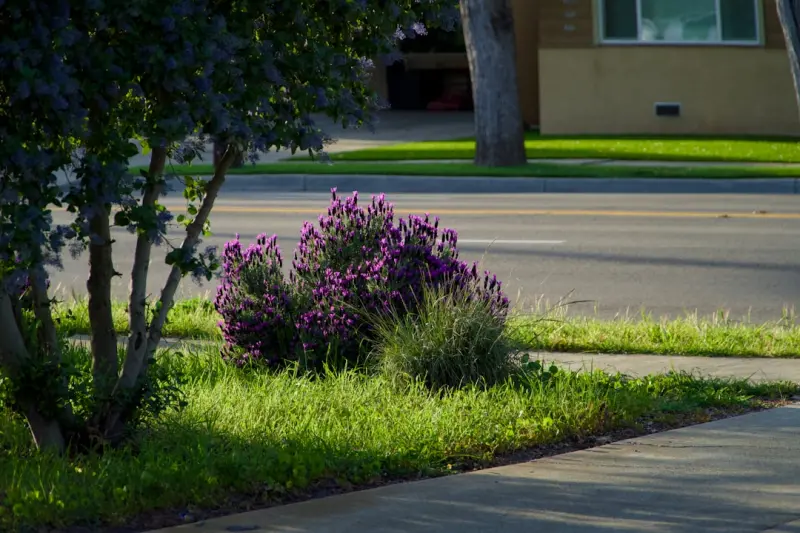
When I first stepped onto my own front porch after a long winter, the muted tones of bare branches and frost‑kissed mulch left me yearning for a burst of life that could shift with the seasons. That yearning sparked a project that would become the heart of my home’s curb appeal: a garden that tells a story through color, texture, and rhythm all year long. Rather than planting a single, static display, I set out to choreograph a seasonal palette that evolves from the fresh pastels of spring to the deep, dramatic hues of autumn, then surprises with subtle winter interest. This approach not only keeps the eye entertained but also invites neighbors and passersby to experience a new facet of the garden every few weeks, turning an ordinary sidewalk into a living gallery.
Understanding Seasonal Color Theory
Before the first seed is placed, I spend time studying the basic principles of color theory as they apply to the outdoors, focusing on hue, value, and saturation. I ask myself which shades will complement the existing architecture and which will stand out without clashing with neighboring homes. By mapping out a color wheel and assigning each season a primary family—soft pinks and blues for spring, bold yellows and oranges for summer, rich reds and purples for fall, and cool whites and silvers for winter—I create a visual roadmap that guides every planting decision. This framework also helps me avoid the common pitfall of over‑planting, ensuring each bloom has space to breathe and shine.
Building a Strong Evergreen Foundation
Evergreens are the silent workhorses of any year‑round color plan, providing structure and a backdrop against which seasonal bursts can shine. I begin by selecting a mix of low‑shrub and mid‑height evergreens that offer varying leaf textures—think the glossy foliage of boxwood, the feathery needle clusters of juniper, and the soft, silvery fronds of lavender‑gray arborvitae. These plants stay green through winter, anchoring the design and offering privacy without sacrificing visual interest. By grouping them in clusters of odd numbers, I create natural focal points that draw the eye and give the garden a sense of cohesion, no matter the time of year.
Spring: Introducing Soft Pastels and Early Bloomers
As the snow melts, I swap the deep winter palette for tender pastels that signal renewal. Early bloomers like tulips, hyacinths, and dwarf dwarf irises are planted in groups of three or five, each color echoing the next to create a harmonious wave of pinks, purples, and yellows. I also incorporate flowering shrubs such as azalea and lilac, which provide both scent and a mid‑season lift. To enhance the effect, I add a few low‑growing annuals—like pansies and sweet alyssum—around the base of the evergreens, allowing the bold evergreen backdrop to frame the delicate spring hues without being overwhelmed.
Summer: Amplifying Warm Tones and Textural Contrast
When the days lengthen, I transition to a palette of vibrant yellows, oranges, and fiery reds that echo the sun’s intensity. Tall, bold plants such as coneflowers, daylilies, and ornamental grasses become the stars, their sturdy stems providing height and movement. I intersperse these with compact, texture‑rich perennials like rosemary and lamb’s ear, whose silvery leaves reflect light and add a tactile element. By arranging plants in staggered layers—taller specimens at the back, medium‑height in the middle, and low‑ground covers at the front—I create a three‑dimensional tapestry that feels both lush and organized.
Fall: Deepening the Palette with Rich, Earthy Hues
Autumn arrives with a desire for depth, and I answer with a combination of burnt orange, deep crimson, and golden yellow. I plant late‑season perennials such as asters and Japanese anemones, which thrive as temperatures dip, alongside ornamental cabbage and kale for striking foliage contrast. Evergreen foundations begin to take on a warmer glow as the sun filters through their needles, and I add a few ornamental grasses that turn bronze, reinforcing the season’s earthy tones. This period also offers an opportunity to introduce ornamental vines—like clematis—that climb trellises and create vertical interest, echoing the earlier vertical gardening techniques that many homeowners love.
Winter: Highlighting Structure and Subtle Color
Winter gardens can be just as compelling as their warmer counterparts if approached with intention. I focus on the sculptural qualities of evergreen branches, the delicate architecture of ornamental grasses, and the soft glow of winter‑blooming plants such as hellebores and winter jasmine. Adding low‑lying evergreen groundcovers like creeping thyme creates a carpet of muted green that catches the occasional frost sparkle. Strategic placement of garden lights along pathways and around evergreen clusters provides a gentle illumination, turning the garden into a serene, moonlit retreat.
Containers and Planters: Portable Color Pops
Containers give me the flexibility to shift color schemes without re‑planting entire beds. I select a variety of pots—terra cotta, glazed ceramic, and weather‑proof metal—and group them in clusters of odd numbers for visual balance. By rotating seasonal annuals and perennials within these containers, I can refresh the garden’s look on a monthly basis. This method also allows me to experiment with the pollinator‑friendly garden tips in a controlled space, ensuring that bees and butterflies have a continuous food source while adding dynamic color to the overall design.
Hardscape Elements: Adding Texture and Longevity
Beyond plants, I incorporate hardscape features—stone pathways, reclaimed wood edging, and decorative mulch—to anchor the seasonal palette and provide texture contrast. A modestly sized pebble walkway weaves through the garden, guiding visitors past each color block while reflecting sunlight in summer and glistening with frost in winter. Using reclaimed bricks for raised beds adds a rustic charm that complements both vibrant blooms and the subdued winter landscape, creating a seamless transition between the natural and built environment.
Maintenance, Budget, and Long‑Term Success
To keep the garden thriving without breaking the bank, I adopt a maintenance schedule that aligns with the seasonal transitions. Early spring is dedicated to soil preparation and mulching, while midsummer focuses on deadheading and strategic watering. In fall, I apply a thin layer of compost to enrich the soil for winter, and in winter, I prune evergreen shrubs to maintain shape. By purchasing plants from local nurseries during sales and propagating cuttings myself, I reduce costs and ensure a steady supply of healthy stock. Over time, the garden becomes a living calendar, each season offering a fresh chapter in a story that never truly ends.

When it comes to the world of blogging and writing, Rose DesRochers is a name that stands out. Her passion for creating quality content and connecting with her audience has made her a trusted voice in the industry. Aside from her skills as a writer and blogger, Rose is also known for her compassionate nature.
Related Posts
Smart Water Management for a Greener Home Garden
Learn practical, tech‑driven strategies to save water, reduce costs, and create a resilient garden... Read More
Seasonal Doorway Transformations: Turning Entryways into Living Welcomes
A step‑by‑step guide to turning any doorway into a seasonal showcase, using resilient plants, su... Read More

Creative Ways to Divide Outdoor Spaces Without Walls
Discover practical, budget-friendly ideas to turn a single backyard into multiple private zones usin... Read More
Top Posts

Why Garden Desks Are Redefining the Modern Employee Experience
Discover why garden desks are the new catalyst for career growth and employee satisfaction, turning outdoor spaces into high‑performance work zones....Read More

Culinary Mapping: Building a Personal Flavor Atlas on the Road
A flavor atlas transforms travel memories into a searchable map of taste, linking sensory notes, cultural context, and data insights to guide future culinary ad...Read More
Why Garden Desks Are the Hottest Home & Garden Trend of 2026
Explore the rise of garden desks in 2026, blending work, wellness, and eco‑friendly design for a productive outdoor sanctuary....Read More

The Ice Advantage: How Cold Exposure Supercharges Health and Performance
Cold exposure isn’t just a trend; it’s a science‑backed tool that can enhance immunity, sharpen cognition, and improve stress recovery. Learn a simple, 7â...Read More
0 Comments
Post Comment
You will need to Login or Register to comment on this post!