

Illuminating the Outdoors: A Practical Guide to Seasonal Garden Lighting
When I first moved into my modest bungalow, the garden was a sleepy stretch of lawn and a few wilted shrubs that only came alive in the harsh glare of noon. I quickly realized that a garden’s personality isn’t just dictated by the plants you choose, but also by the way you light it after the sun goes down. The right illumination can turn a bland backyard into a welcoming extension of your living room, a place where you can unwind with a book, host an intimate dinner, or simply stare at the stars without the glare of streetlights. This guide walks you through the principles, tools, and creative ideas you need to design a seasonal lighting plan that enhances mood, boosts safety, and respects the planet.
Why Seasonal Lighting Matters
Most homeowners think of lighting as a static, year‑round setup: a string of fairy lights here, a floodlight there. However, the amount of natural daylight, the angle of the sun, and even the length of evenings shift dramatically from summer to winter. By adapting your lighting strategy to these changes, you can:
- Enhance safety – Longer nights in winter mean more activity after dark. Well‑placed path lights and motion‑sensors reduce trips and deter unwanted visitors.
- Set the mood – Warm amber glows in autumn invite cozy conversations, while crisp white LEDs in summer emphasize the garden’s vibrant colors.
- Save energy – Tailoring brightness to the season means you won’t waste power on unnecessary illumination, especially when daylight stretches later in summer.
- Support biodiversity – Some insects, like fireflies, are sensitive to artificial light. Using low‑intensity, directional fixtures can minimize disruption to nocturnal wildlife.
Understanding Light Types and Their Best Uses
Before diving into the design, familiarize yourself with the three main categories of outdoor lighting:
- Ambient lighting – The overall “wash” that lights up large areas. Think of low‑voltage LED floodlights, deck-mounted uplighters, or large lanterns.
- Task lighting – Focused light for specific activities, such as a brightly illuminated garden bench, a cooking area on an outdoor kitchen, or a reading nook.
- Accent lighting – Highlights architectural features, sculptures, or particular plants. Spotlights, well lights, and gobos fall in this category.
Mixing these three layers creates depth and visual interest, much like a well‑composed photograph. As the seasons change, you can dial each layer up or down to suit the atmosphere you’re chasing.
Planning Your Seasonal Lighting Layout
Start with a simple sketch of your garden, marking key zones: pathways, seating areas, water features, and focal points like a pergola or a stately oak. Then answer three questions for each zone:
- What’s the primary function? Is it a passage, a place to relax, or a showcase?
- How much light does the activity need? A reading spot needs brighter, directed light, whereas a meditation area benefits from a soft, diffused glow.
- Which season will amplify this purpose? For example, a fire‑pit area may be used more often in cooler months, so you’d want richer, warmer lighting for autumn and winter.
When you’ve mapped out these zones, you’ll notice natural clusters where ambient light can serve multiple purposes, allowing you to reduce the number of fixtures and keep the design clean.
Choosing Sustainable Light Sources
Eco‑conscious lighting isn’t just a buzzword; it’s a practical choice for anyone who enjoys the outdoors. Here are the most sustainable options:
- Solar‑powered LEDs – Modern solar panels coupled with high‑efficiency LEDs can run small path lights or garden spotlights for 8–10 hours after a full day of sun. Position them where they get maximum exposure.
- Low‑voltage LED systems – Using a transformer reduces wattage consumption dramatically. Pair them with motion sensors to ensure they’re only on when needed.
- Smart dimmers – Integrated with home automation platforms, dimmers let you adjust brightness from your phone, creating a dynamic lighting schedule that syncs with sunrise and sunset.
Investing in these technologies not only lowers your electricity bill but also aligns with the growing trend of sustainable home design. A modest upfront cost quickly pays for itself through reduced energy use.
DIY Lighting Projects You Can Tackle This Weekend
Not everyone wants to hire an electrician. Many simple fixtures can be installed with basic tools. Here are three starter projects:
- Solar stake lights for pathways – Insert them at regular intervals (about 6‑8 feet apart). Adjust the angle so the light shines directly onto the path, not upward.
- String‑light canopy – Attach waterproof LED string lights to a sturdy pergola or a set of overhead branches. Use a timer plug to automate on/off cycles.
- Battery‑operated lanterns for tables – Place these on outdoor dining sets. Choose warm‑white LEDs for a restaurant‑like ambiance, and swap batteries with rechargeable packs to stay green.
These projects are low‑maintenance and can be swapped out or upgraded as your garden evolves.
Integrating Light with Landscape Elements
The most compelling outdoor lighting designs treat illumination as part of the landscape, not an afterthought. Consider these tactics:
- Highlight textures – Use uplights at the base of a stone wall to bring out its roughness after dark.
- Illuminate water – Submerged LED strips in a pond or fountain add a magical shimmer that changes with the water’s movement.
- Frame the sky – Install low‑profile sconces that point upward, creating a subtle “star‑like” effect that enhances the night’s natural canopy.
When you align these elements with the seasonal rhythm—such as brighter water illumination in summer when evenings are longer—you create a garden that feels alive year‑round.
Seasonal Adjustments: A Quick Reference
| Season | Key Adjustments | Suggested Fixtures |
|---|---|---|
| Spring | Soft, fresh tones to celebrate rebirth. Add gentle path lighting to navigate blooming beds. | Warm‑white solar stake lights, low‑profile uplights on flower beds. |
| Summer | Extended daylight means less artificial light needed. Focus on accent lighting for evening gatherings. | String lights over patios, spotlights on mature trees, dimmable deck lights. |
| Autumn | Shorter days, cooler temperatures—create a cozy atmosphere with amber tones. | Amber LED lanterns, motion‑sensor pathway lights, soft uplighting on structural elements. |
| Winter | Long nights demand safety and warmth. Increase ambient lighting and add task lights to outdoor fire pits. | Bright LED floodlights, low‑voltage deck lights, solar‑powered spotlights on evergreen focal points. |
This table is a living document; feel free to tweak the recommendations based on your local climate and personal preferences.
Balancing Light and Technology
While smart lighting brings convenience, it can also add to the digital noise in our lives. To keep your garden a sanctuary, consider a “low‑tech hour” each evening: turn off all app‑controlled lights, rely on solar fixtures, and enjoy the natural darkness. If you’re interested in how to maintain mental clarity while staying connected, you might explore creating mental space in a connected world. The principle is the same—use technology intentionally, not reflexively.
Safety First: Wiring and Weatherproofing
Outdoor lighting must meet safety standards. Here are three non‑negotiable rules:
- Use waterproof (IP65 or higher) fixtures—especially in areas exposed to rain or splashing water.
- Install ground‑fault circuit interrupters (GFCI) on any outlet that powers garden lights.
- Seal all connections with silicone or marine‑grade tape to prevent corrosion.
Even if you’re using low‑voltage or solar systems, these precautions protect both your garden and your peace of mind.
Integrating Indoor and Outdoor Light Themes
A cohesive home design extends the visual language from inside to out. If your interior features a minimalist aesthetic with recessed ceiling LEDs, mirror that simplicity outdoors with clean, line‑focused fixtures. Conversely, a farmhouse interior with warm pendant lights can be complemented by rustic lanterns on the patio. To see how thoughtful lighting can transform an interior space into a productivity‑boosting haven, check out tips on turning rooms into calming sanctuaries. Applying the same principles outdoors creates a harmonious flow that feels both intentional and effortless.
Maintenance Tips for Longevity
Outdoor lights face sun, rain, dust, and occasional critter interference. Keep them shining by:
- Cleaning lenses quarterly with a soft brush and mild soap to remove debris.
- Checking battery levels on solar fixtures, especially after long cloudy periods.
- Inspecting wiring for cracks or fraying, and tightening any loose connections.
Proactive maintenance ensures your garden stays illuminated without sudden outages that can ruin a dinner party or a twilight meditation.
Final Thoughts: Let Your Garden Light Up Your Life
Lighting isn’t just a functional necessity; it’s an emotional conduit that can shape how we experience our outdoor spaces. By aligning your illumination strategy with seasonal shifts, sustainability goals, and personal habits, you create a garden that feels alive, safe, and inviting year after year. Start small—add a solar stake light to your walkway—and watch the transformation unfold. Before long, your backyard will no longer be an afterthought but a vibrant extension of your home, a place where you can unwind, entertain, and reconnect with nature—no matter the hour.

Jim Pearse, a seasoned freelance writer, brings a wealth of knowledge and passion to the world of home and garden. From the intricacies of landscaping to the nuances of interior design, Jim delves into every aspect of creating comfortable, beautiful, and functional living spaces.
Related Posts
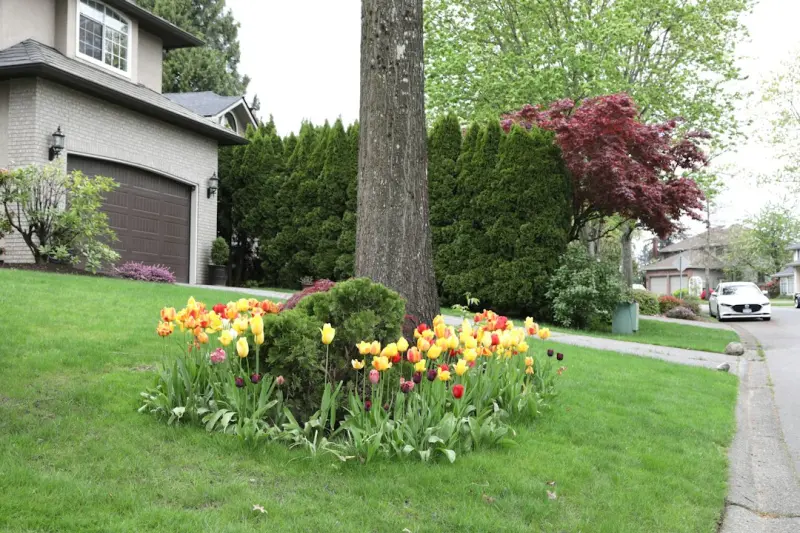
From Ornamental to Edible: Transform Your Yard into a Living Harvest
Learn the fundamentals of edible landscaping, from plant selection and design techniques to soil hea... Read More
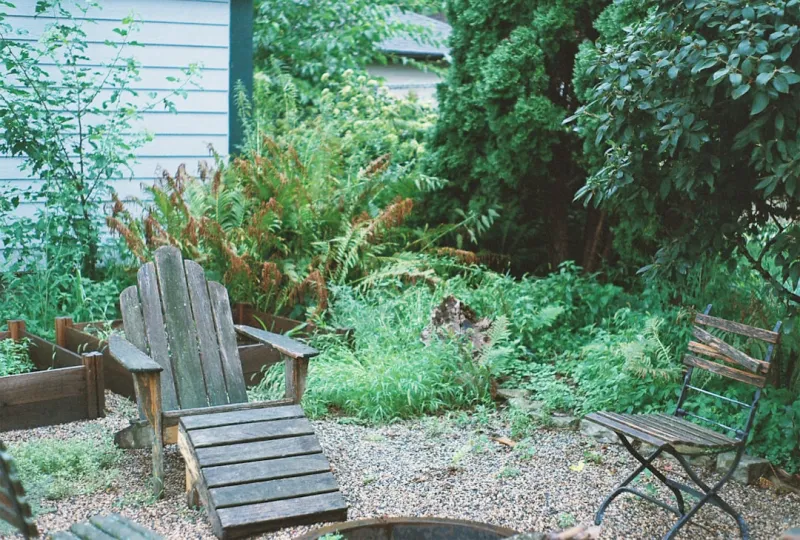
Why Your Backyard Needs a Garden Desk Now
Explore the rise of garden desks and how they blend work, nature, and design to create a vibrant, pr... Read More

Transform Your Backyard with a DIY Outdoor Kitchen
A practical guide to building a backyard outdoor kitchen, from layout planning and durable materials... Read More
Top Posts

Why Traveling the Unknown Turns You Into a Better Decision‑Maker
Exploring unfamiliar places forces rapid choices, cultural decoding, and resilience, training the brain for better decision‑making and innovation back at work...Read More

Beyond the Itinerary: Turning Travel Into a Personal Growth Lab
Explore a fresh “growth‑first” travel framework that blends micro‑experiments, reflective tools, and AI assistance, turning every journey into a persona...Read More

The Hidden Engine: How AI Is Quietly Rewiring Enterprise Knowledge Networks
AI is becoming the invisible scaffolding that reshapes how companies capture, organize, and mobilize knowledge. This post uncovers how AI-powered knowledge grap...Read More
Micro‑Habits That Supercharge Your Longevity
David Moore explains how tiny, two‑minute actions—like calf raises while waiting for a meeting or a spoonful of chia in your coffee—compound over time to ...Read More
0 Comments
Post Comment
You will need to Login or Register to comment on this post!