
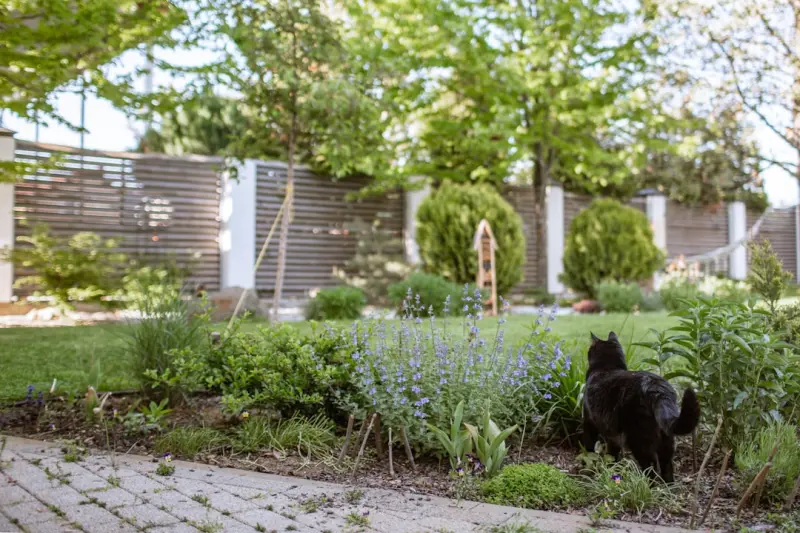
Why Smart Garden Tech Matters
Homeowners are increasingly treating their yards like extensions of their smart homes, and smart garden technology is the catalyst that turns a simple plot of soil into an intelligent ecosystem that talks back. By leveraging real‑time data from moisture sensors, light meters, and weather forecasts, a garden can automatically adjust irrigation, shading, and nutrient delivery, saving water while delivering lush growth that would otherwise demand endless manual attention. This blend of convenience and sustainability not only frees up weekends for leisure but also reduces the environmental footprint, creating a win‑win that appeals to eco‑conscious families and tech enthusiasts alike.
One of the most compelling reasons to adopt automation is the seamless integration with existing home‑automation hubs, allowing you to control sprinklers, lights, and even garden‑level heating from the same app that manages your thermostat and security system. Imagine receiving a gentle notification that soil moisture has dipped below the optimal threshold and instantly authorizing a targeted water pulse—all without stepping foot outside. For those with limited space, pairing smart controls with vertical gardening techniques maximizes yield per square foot while keeping the system compact and efficient.
Beyond immediate convenience, the long‑term financial payoff can be significant as automated systems cut water bills, reduce fertilizer waste, and extend the life of garden equipment through precise usage. As climate patterns become more erratic, having a responsive garden that can adapt to sudden droughts or unexpected rainstorms becomes a strategic asset, turning your backyard into a resilient, low‑maintenance sanctuary. The allure of a garden that can set the mood after dusk is also powerful, and nighttime garden ambiance can be orchestrated with programmable lighting and scent diffusers for a truly magical experience.
Core Components: Sensors, Controllers, and Connectivity
At the heart of any automated garden lies a network of sensors that act as the garden’s senses, constantly measuring soil moisture, temperature, humidity, and sunlight intensity to feed a central controller with actionable data. These devices, often solar‑powered and weather‑sealed, transmit readings via Wi‑Fi, Zigbee, or LoRaWAN, ensuring reliable communication even in sprawling properties where signal strength can be a challenge. By interpreting this stream of information, the controller decides when to water, shade, or fertilize, turning reactive gardening into a proactive science.
The controller itself is the brain, typically a weather‑aware hub like a Raspberry Pi, Arduino, or a commercial smart‑irrigation unit that runs custom scripts or uses pre‑built algorithms to schedule actions. Modern controllers offer intuitive dashboards that let you set thresholds, view historic data, and receive alerts on your phone, making it easy to fine‑tune the system to your specific plant palette. Pairing the controller with voice assistants such as Amazon Alexa or Google Assistant adds a layer of convenience, letting you ask, “Is the garden thirsty?” and receive an instant answer.
Connectivity is the glue that binds sensors and controllers to the cloud, enabling remote access, firmware updates, and integration with third‑party services like weather APIs or smart‑home platforms. A robust mesh network ensures redundancy, so a single node failure doesn’t cripple the entire setup. For homeowners who prioritize design, low‑profile antennas can be concealed within garden art or planters, preserving aesthetic integrity while delivering reliable data pipelines. When you combine these core components, you create a self‑learning system that evolves with seasonal changes, plant growth cycles, and even your personal schedule.
Practical Projects to Jump‑Start Your Automated Garden
One of the easiest entry points is a smart drip‑irrigation kit that pairs a moisture sensor with a Wi‑Fi‑enabled valve, allowing you to water vegetable beds precisely when the soil dries below a set point. Start by installing the sensor at root depth, calibrating it to the preferred moisture range for tomatoes, peppers, or herbs, and then link the valve to a timer that can be overridden via a mobile app. This approach reduces water waste by up to 40 % and ensures consistent hydration, which translates to healthier, more productive plants.
For a more ambitious project, consider building a budget‑friendly outdoor living area that doubles as an automated greenhouse. Using reclaimed pallets, clear polycarbonate sheets, and a simple thermostatic vent, you can create a micro‑climate that protects tender seedlings from frost while still allowing natural light. Integrate temperature and humidity sensors that trigger ventilation fans or supplemental heating, and connect the system to a solar‑powered battery pack for off‑grid operation, making the space both eco‑friendly and cost‑effective.
Finally, elevate the sensory experience by installing programmable LED strips and Bluetooth speakers that respond to sunset times, creating a dynamic “garden at night” that shifts colors and playlists as the evening progresses. Coupled with a scent‑diffusion module that releases lavender or citrus oils based on the season, this setup turns your backyard into a multisensory retreat. The entire system can be managed through a single smart‑home app, allowing you to schedule “relax mode” with a tap, while the underlying sensors ensure that plants continue to receive optimal care even as you unwind.

Jimmy Damon loves to right on a large scale of topics with all things Canadian as this Montreal die hard loves hockey. fishing and sports.
Related Posts
Garden Desk Revolution: Jimmy Damon’s Guide to the Hottest Home & Garden Trend
Jimmy Damon reveals how his garden desk transforms workspaces with nature, blending sustainability, ... Read More
Why My Garden Desk Became the Heartbeat of Home Living
A garden desk turned my backyard into a thriving creative hub, where sunlight fuels focus, nature sp... Read More
Edible Front Yards: Merging Curb Appeal with Harvest
Discover how to design an edible front yard that looks beautiful, feeds your family, and fosters com... Read More
Top Posts

The Quiet AI: Invisible Algorithms That Power Your Workday
A deep dive into the unseen AI tools that quietly enhance productivity, decision‑making, and wellbeing, and how to harness them without losing the human touch...Read More

Sustainable DIY Outdoor Living: Transform Your Space with Eco‑Friendly Hacks
Learn how to turn everyday items into stylish outdoor furniture, use smart watering systems, and create modular planters for a sustainable, beautiful backyard r...Read More

Curating Your Information Diet for a Healthier Mind
A practical guide to mastering the information diet: audit your digital intake, set intentional consumption windows, and leverage AI wisely to protect mental he...Read More
Playful Micro‑Rituals: A Fresh Lens on Mental Health at Work
Explore the power of intentional, playful micro‑rituals—like quick doodles, emoji check‑ins, and two‑minute resets—to boost mental health, reduce stre...Read More
0 Comments
Post Comment
You will need to Login or Register to comment on this post!