
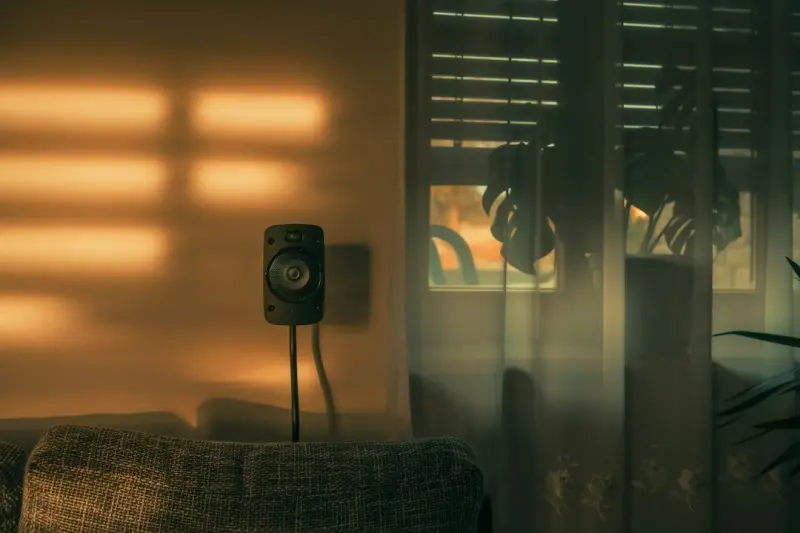
When you walk into a room and hear the faint hum of traffic outside, the clatter of a dishwasher, or the echo of your own footsteps, it’s a reminder that sound shapes the way we experience our homes. Yet most of us treat acoustics as an afterthought, focusing on paint colors, furniture layouts, or lighting. I’ve spent years hopping between offices, co‑working spaces, and home‑based workstations, and the one constant that either fuels my productivity or derails it is the quality of the sound environment.
Why Acoustic Comfort Matters (Even If You’re Not a Musician)
Good acoustic design isn’t just for concert halls or recording studios. It impacts concentration, stress levels, and even sleep quality. A room that feels “loud” can increase cortisol, the stress hormone, while a well‑damped space encourages calm and focus. Whether you’re holding a virtual meeting, binge‑watching a series, or enjoying a quiet dinner, controlling sound can transform the experience.
Start with the Basics: Identify Your Noise Sources
Before you grab a handful of acoustic panels, take a moment to map out the primary culprits in each area of your home. Common sources include:
- External traffic or street noise – especially if you live near a busy road.
- Appliance hums – refrigerators, HVAC systems, and laundry machines.
- Footfall and echo – hard flooring can bounce sound around, creating an “open‑air” feel.
- Conversation spill‑over – open‑plan living areas often let voices travel farther than you’d like.
Knowing what you’re dealing with lets you target solutions where they matter most.
Soft Surfaces Are Your First Line of Defense
Hard surfaces reflect sound; soft surfaces absorb it. Think of your home as a sound‑balancing act: the more “hard” you have, the more reverberation you’ll get. To introduce absorbing material without a full renovation:
- Area rugs and carpet runners – Place them under high‑traffic zones, especially in rooms with hardwood or tile flooring. A dense rug can cut echo by up to 50%.
- Heavy curtains – Opt for floor‑to‑ceiling drapes made from thick fabrics. Even during the day, closed curtains can act as a sound barrier against street noise.
- Upholstered furniture – Sofas, armchairs, and even a plush ottoman help trap sound waves.
If you’re looking for a quick win in the bedroom, swap out that thin window blind for a blackout curtain. Not only does it block light, but it also muffles late‑night traffic.
DIY Acoustic Panels: Affordable, Attractive, Effective
Professional acoustic panels can be pricey, but a DIY approach lets you customize both performance and aesthetics. Here’s a simple method:
- Gather materials – 1‑inch thick acoustic foam (available at most hardware stores), breathable fabric, and a staple gun.
- Cut the foam into panels sized to fit your wall space – 12×12 inches works well for most rooms.
- Wrap each panel in fabric that matches your decor. The fabric should be porous enough to let sound pass through, yet sturdy.
- Mount the panels at ear level on walls that reflect the most sound – typically the side walls of a home office or living room.
For a design twist, consider arranging the panels in a geometric pattern. Not only does this improve sound absorption, but it also adds a modern art element to your space.
Strategic Furniture Placement
Furniture isn’t just for function; it can be a silent acoustic ally. Here are a few placement tricks:
- Bookshelves filled with books act as a massive sound‑absorbing wall. The uneven surface disrupts sound waves, reducing echo.
- Large plants – especially those with broad leaves – absorb high‑frequency noise. If you’re already into indoor greenery, you’re getting a double benefit. A quick read on balcony bounty: building a year‑round mini garden in small spaces shows how strategic plant placement can transform a cramped balcony; the same principle works indoors for acoustic gain.
- Room dividers made of fabric or acoustic panels can create “quiet zones” within open‑plan layouts, perfect for a home office corner.
Addressing the Windows: The Overlooked Leakage Points
Windows are the most common entry points for external noise. If you can’t replace them outright, consider these upgrades:
- Weatherstripping – Seals gaps around the frame, reducing sound infiltration.
- Acoustic window inserts – Clear acrylic panels that fit inside your existing frames, adding an extra barrier without sacrificing view.
- Heavy drapes – As mentioned earlier, they’re a low‑cost solution that also adds privacy.
Even a simple layer of bubble wrap (cut to size) installed between the glass and the interior can dampen high‑frequency sounds. Just be sure to keep it out of sight for aesthetics.
Floor Solutions: From Carpets to Underlayments
Hard floors are beautiful but they reflect sound like a mirror. If replacing them isn’t an option, try:
- Interlocking foam tiles – Ideal for a playroom or a temporary home‑office setup. They’re easy to install and can be removed later.
- Rubber underlayments – Placed beneath hardwood or laminate, they add a layer of mass that dampens vibrations from foot traffic.
- Rugs with a rubber backing – Prevent slipping while adding an extra absorption layer.
Acoustic Enhancements for Home Offices
Since many of us now spend a good chunk of the day behind a desk, creating a focused acoustic environment is essential. Here’s a quick checklist:
- Microphone placement – Position it away from reflective surfaces. A small tabletop foam shield can help keep your voice clear during calls.
- Desk mats – A dense foam mat under your keyboard reduces the click‑clack noise that can travel across open floor plans.
- White‑noise machines – They mask low‑frequency background hums (like HVAC) and improve concentration.
- Acoustic ceiling tiles – If you have a drop ceiling, swapping standard tiles for acoustic ones can cut reverberation dramatically.
Outdoor Acoustic Buffers: Extending Quiet to Your Patio
If your living space spills onto a balcony or patio, you can keep the tranquility inside by treating the perimeter as a “sound buffer”. Think of it as an extension of indoor acoustic design:
- Vertical garden walls – Dense foliage acts as a natural sound barrier, especially against street traffic.
- Outdoor rugs and woven mats – These absorb footfall and reduce echo on concrete.
- Weather‑proof acoustic panels – Designed for exterior use, they can be mounted on fence panels to dampen noise.
For inspiration on turning small outdoor spaces into functional zones, explore designing outdoor zones: crafting multi‑use spaces that work for you. The same principles of layering and material choice apply when you want to keep the buzz of the city at bay while enjoying fresh air.
Sound‑Friendly Decor: Style Meets Function
You don’t have to sacrifice aesthetics for acoustic performance. Here are some design‑forward ideas that double as sound dampeners:
- Textured wall hangings – Macramé, woven tapestries, or thick quilts add visual warmth while absorbing mid‑range frequencies.
- Acoustic ceiling clouds – Suspended panels that hang from the ceiling like clouds; they’re eye‑catching and effective.
- Layered lighting – Floor lamps with fabric shades can double as acoustic absorbers.
Mix and match these elements with your existing color palette, and you’ll have a space that looks intentional and feels quieter.
Maintenance Tips to Keep Your Acoustic Solutions Working
Just like any home improvement, acoustic treatments need occasional upkeep:
- Vacuum fabric‑covered panels regularly to prevent dust buildup, which can reduce absorption efficiency.
- Rotate rugs to ensure even wear and prevent them from becoming stiff.
- Check sealants around windows annually; weathering can create gaps that let noise back in.
By staying on top of these small tasks, you’ll preserve the quiet sanctuary you’ve built.
Measuring Success: How to Know Your Home Is Quieter
If you’re the data‑driven type (and who isn’t nowadays?), there are simple ways to quantify acoustic improvements:
- Smartphone decibel apps – Measure baseline noise levels before and after changes. Look for a drop of 5‑10 dB as a noticeable improvement.
- Subjective surveys – Ask family members or roommates if they notice reduced echo or less intrusion from outside sounds.
- Focus tests – Set a timer for 30 minutes of work. If you can maintain concentration longer, your acoustic upgrades are doing their job.
Final Thoughts: Small Changes, Big Impact
Acoustic comfort often hides in the background, but its influence on daily life is profound. By integrating soft surfaces, strategic furniture placement, DIY panels, and thoughtful window upgrades, you can turn a noisy house into a peaceful haven without breaking the bank. Remember, every rug, plant, and fabric choice contributes to a quieter, more focused home.
Next time you’re planning a home refresh, ask yourself: How will this element affect the soundscape? The answer will guide you toward choices that not only look good but also feel good—silently.

Paul Flynn is a versatile freelance writer equipped with a diverse skillset and a portfolio that reflects his wide-ranging interests and expertise. From crafting compelling website copy and engaging blog posts to delivering in-depth articles and meticulously researched reports, Flynn demonstrates a remarkable ability to adapt his writing style to suit various audiences and purposes.
Related Posts

Quiet Power: Hidden Home Hacks That Boost Daily Productivity
Learn how to master acoustic treatment, layered lighting, smart storage, and micro‑habits to turn ... Read More

Unlock Hidden Space: Creative Storage Hacks for a Clutter‑Free Home
Learn how to transform hallways, walls, and under‑floor spaces into smart storage solutions with e... Read More

Turn Your Home into a Sensory Sanctuary: Practical Tips for Everyday Calm
Learn how to create a sensory sanctuary at home with practical tips on lighting, sound, texture, sce... Read More
Top Posts

Sketching Your Way to Calm: How Workplace Doodling Boosts Mental Health
Explore how the low‑tech habit of doodling can reset the brain, boost dopamine, and foster a culture of mental resilience, with practical tips for integrating...Read More

Micro‑Moments: Reimagining Personal Care in a Hyper‑Connected World
Learn how to turn brief, frequent micro‑moments—like a lighting cue or a 30‑second breath—into powerful personal‑care practices that boost energy, foc...Read More

Cross‑Cultural Hackathons on the Road: Crafting Ideas While You Roam
Learn to transform travel experiences into structured 48‑hour hackathons, using low‑tech tools, local collaboration, and rapid prototyping to generate marke...Read More

Playful Reboot: Harnessing the Science of Play to Boost Workplace Mental Health
A fresh look at how integrating playful activities into daily routines can transform workplace mental health, boost productivity, and foster a culture of wellbe...Read More
0 Comments
Post Comment
You will need to Login or Register to comment on this post!