
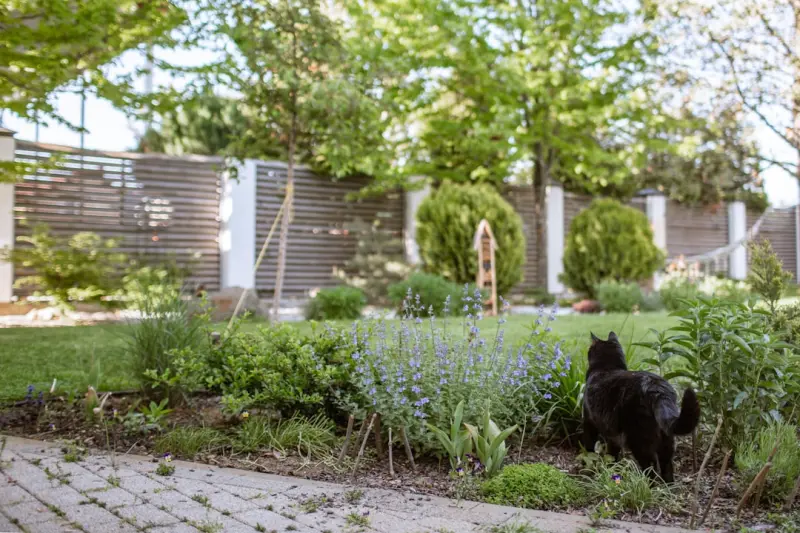
Designing Outdoor Zones: Crafting Multi‑Use Spaces That Work for You
When I first bought my modest suburban lot, the yard felt like a blank canvas—one that whispered possibilities but also stared back with a daunting expanse of grass and a few scattered shrubs. I quickly realized that trying to tackle the entire property as a single project would lead to endless to‑do lists, half‑finished beds, and a lot of wasted energy. That’s when I discovered the power of garden zoning—a simple yet transformative approach that lets you carve your outdoor space into purposeful, manageable areas.
Think of it as the floor plan of a house, only this one lives outdoors and breathes with the seasons. By deliberately assigning functions—like a quiet reading nook, a vibrant pollinator garden, a kid‑friendly play patch, or a compact kitchen garden—you create a series of mini‑scenes that each serve a specific need. The result? A backyard that feels both cohesive and dynamic, where every square foot has a clear role and a clear owner.
Why Zoning Beats the “One‑Size‑Fits‑All” Garden
Traditional landscaping often follows a monolithic mindset: “Plant a lawn, add some flower beds, maybe a tree.” That strategy can be overwhelming for homeowners who juggle work, family, and a desire for a beautiful home. Zoning solves three core challenges:
- Focus: By narrowing your attention to one zone at a time, you can plan, plant, and maintain with confidence.
- Flexibility: As your needs evolve—perhaps you start a vegetable hobby or your kids grow older—you can reconfigure zones without tearing the whole yard apart.
- Efficiency: Different zones have different water, light, and soil requirements. Grouping plants with similar needs reduces waste and simplifies care.
In practice, zoning translates into a backyard that feels intentional, not accidental. It also makes the whole process far more enjoyable—a point I’ll get back to after we walk through the steps of creating your own outdoor map.
Step 1: Sketch Your Space and Identify Core Activities
Grab a piece of paper, a ruler, and a pencil (or a simple drawing app on your phone). I like to start by drawing the perimeter of my yard to scale—usually 1 inch equals 10 feet works well. Then, I ask myself three questions:
- Where do I spend the most time outdoors? (Patio, deck, or a spot on the grass?)
- What activities do I want to enable? (Cooking, reading, entertaining, kids playing, gardening, exercising?)
- What natural features already exist that I can work with? (Shade from a tree, a sunny south‑facing wall, a slope, a water feature?)
For me, the answers were clear: a small deck for morning coffee, a sunny patch for a herb garden, a shaded corner for a hammock, and a low‑maintenance area for kids to run. I drew rectangles for each activity, labeling them “Coffee Deck,” “Herb Kitchen,” “Hammock Retreat,” and “Play Zone.” This visual map became my master plan, guiding every subsequent decision.
Step 2: Match Zones to Micro‑Climates
Every backyard has micro‑climates—tiny pockets where sun, wind, and moisture differ. Ignoring them can doom a perfectly chosen plant to premature death. Use a simple observation method:
- Sun exposure: Track how many hours each area receives. Morning sun (east‑facing) is gentler; afternoon sun (west‑facing) can be intense.
- Wind patterns: Notice where breezes funnel through, especially near open spaces or gaps in hedges.
- Soil moisture: Dig a small test hole; feel how quickly water drains. Low spots often stay wetter.
In my own yard, the deck basked in gentle morning light—perfect for a small sun‑lit coffee corner. The herb kitchen sat on a south‑facing slope with full sun for most of the day, while the hammock retreat was tucked under a mature oak, offering dappled shade and a natural windbreak.
Step 3: Choose Plant Palettes That Complement Each Zone
Now that you know the conditions, pick plants that thrive there. The trick is to think in palettes rather than individual species. A palette is a curated collection of plants that share similar light, water, and soil needs, and that also create a visual theme.
Example palettes:
- Sunny Herb Kitchen: Basil, rosemary, thyme, oregano, and sage. All love full sun and well‑drained soil.
- Shaded Hammock Retreat: Hostas, ferns, and astilbe. These thrive in low light and add texture.
- Play Zone (low‑maintenance): Native grasses, ornamental sedums, and creeping thyme. Tough, drought‑tolerant, and safe for kids.
- Coffee Deck (decorative): Potted succulents, dwarf lavender, and a small dwarf citrus tree for aroma.
When selecting, I also consider seasonal interest. A plant that blooms in spring can be paired with a foliage plant that shines in fall, ensuring your zones look alive year‑round.
Step 4: Integrate Functional Elements
Zones aren’t just about plants; they’re also about the hardscape—paths, seating, lighting, and water features. Think of each zone as a room: it needs a floor (path), a ceiling (shade canopy), and furnishings (bench, table, or a swing).
Here’s how I equipped each area:
- Coffee Deck: A reclaimed wood table, a set of weather‑resistant chairs, and solar‑powered LED string lights for evening sips.
- Herb Kitchen: Raised beds made from cedar, a drip‑irrigation line, and a small compost bin tucked behind the beds.
- Hammock Retreat: A sturdy hammock strung between two living trees, a stone stepping stone path, and a low‑profile water fountain for soothing sound.
- Play Zone: A soft mulch surface, a few large flat stones for climbing, and a trellis with climbing beans that doubles as a snack source.
By pairing functional pieces with plants, each zone feels complete and ready for use from day one.
Step 5: Embrace Sustainable Practices
One of the biggest benefits of zoning is the ability to apply sustainable techniques on a micro‑scale. Here are a few I swear by:
- Rainwater Harvesting: Install a rain barrel near the herb kitchen and connect it to the drip system. This reduces reliance on municipal water and ensures your herbs get the gentle, consistent moisture they love.
- Mulching: Use organic mulch—shredded leaves, pine needles, or bark—to conserve soil moisture, suppress weeds, and feed the soil as it breaks down.
- Native Plant Integration: Even in themed zones, sprinkle in a few native species. They attract pollinators, require less water, and help maintain local biodiversity.
Speaking of pollinators, I recently added a small pollinator garden adjacent to the play zone. It’s a win‑win: kids learn about nature, and beneficial insects thrive, boosting the health of my herb beds.
Step 6: Light, Sound, and Scent—Create a Sensory Experience
Outdoor spaces are more than visual. They’re places to hear the rustle of leaves, feel a cool breeze, and inhale fragrant blooms. To deepen the sensory impact, I incorporate three layers:
- Sound: A modest water feature near the hammock zone provides a calming backdrop. For a low‑tech option, consider wind chimes crafted from reclaimed metal.
- Scent: Plant aromatic herbs (like mint and lavender) near seating areas. The scent releases as you move, turning a simple coffee break into a fragrant ritual.
- Touch: Include tactile plants—soft lamb’s ear, velvety sage, or smooth river rocks. Kids love exploring these textures, and adults appreciate the subtle sensory cues.
If you’re curious about how sound can transform your home environment, you might enjoy reading Soundscapes at Home, which dives into the science of audio design for well‑being. Though it focuses on indoor spaces, the principles translate beautifully outdoors.
Step 7: Keep It Evolving—Seasonal Checks and Adjustments
Just as you wouldn’t set your thermostat and forget it, your garden zones need periodic attention. I schedule a quick “zone walk” every month:
- Inspect plant health: Look for signs of stress, pests, or disease.
- Check irrigation: Ensure drip lines aren’t clogged and that rain barrels have water.
- Refresh mulch: Add a fresh layer if it’s thinned out.
- Rotate seasonal plants: Swap out annuals for perennials as the climate shifts.
These brief check‑ins keep the garden thriving and prevent small issues from snowballing. Plus, they give you a chance to enjoy the space—maybe sip that coffee on the deck or read a book under the hammock.
Bringing It All Together: My Personal Journey
When I first implemented zoning, the transformation was almost cinematic. The chaotic lawn morphed into distinct scenes, each with its own purpose and personality. My mornings began with a steaming mug on the deck, bathed in gentle sunrise light. By noon, I’d be snipping fresh basil for a salad in the herb kitchen, the scent of rosemary drifting on the breeze. Afternoons were for unwinding in the hammock, listening to the water’s soft murmur, while my kids chased each other across the safe, mulch‑covered play zone. Evenings? A quiet dinner on the deck, illuminated by solar lights, feeling the day’s work melt away.
This approach also saved me money. By grouping plants with similar water needs, my irrigation bill dropped dramatically. The use of reclaimed materials for pathways and furniture kept costs low while adding character. And perhaps most importantly, the garden became a source of daily joy rather than a never‑ending chore.
Tips for Beginners: Avoid Common Pitfalls
Even with a solid plan, newbies can stumble. Here are a few cautions based on my early missteps:
- Over‑planting: It’s tempting to fill every inch with greenery. Resist; leave breathing room for pathways and future adjustments.
- Ignoring Soil Health: Conduct a simple soil test before planting. Amend with compost if needed to avoid nutrient deficiencies.
- Choosing the Wrong Scale: A massive tree in a small play zone can cast too much shade. Keep plant size proportionate to the zone’s dimensions.
- Forgetting Accessibility: Ensure pathways are wide enough for wheelchairs or strollers if they’re part of your family’s routine.
Conclusion: Your Backyard, Your Blueprint
Designing outdoor zones is a powerful, adaptable framework that turns a generic yard into a collection of purposeful, delightful spaces. It respects your lifestyle, embraces sustainability, and invites you to engage with nature on your own terms. Whether you’re a seasoned gardener or just starting out, give zoning a try—sketch, observe, plant, and watch as your backyard evolves into a living, breathing extension of your home.
Ready to start? Grab that sketchpad, walk your property, and begin mapping out the zones that will shape your outdoor experience. You might be surprised at how a few intentional divisions can unlock a whole new world of backyard happiness.

Brad Hays is a freelance writer known for his versatile skill set and ability to craft compelling content across a wide range of industries.
Related Posts
Illuminating Your Indoor Jungle: How Smart Lighting Transforms Home Gardening
Explore the power of smart lighting for indoor gardens, from choosing the right full‑spectrum LEDs... Read More
Cultivating a Kitchen Herb Oasis in Small Spaces
Discover a step‑by‑step plan to turn any balcony or windowsill into a thriving herb garden, comp... Read More

Smart Irrigation on a Budget: Tech‑Savvy Water‑Wise Gardening
Discover affordable smart irrigation hacks that turn any garden into a water‑wise oasis, using tec... Read More
Top Posts

Beyond Sight: Harnessing Sound, Taste, and Rhythm for Deeper Travel
Explore a fresh travel approach that prioritizes sound, flavor, and rhythm, turning every journey into a lasting sensory adventure....Read More

Outcome‑First Culture: How Autonomy Fuels Performance
A shift from time‑based metrics to clear, measurable outcomes unlocks autonomy, boosts performance, and creates a competitive edge for modern workplaces....Read More

When AI Becomes Your Decision Coach: Building Smarter Boardrooms
Explore the emerging practice of AI‑augmented decision hygiene, a proactive approach that flags bias in real time, empowers leaders with transparent recommend...Read More

Getting Your House Ready for Winter: A Comprehensive Guide
Winter brings frigid temperatures, heavy snowfall, and the potential for storm damage. Ensuring your home is prepared for these challenges is essential to prote...Read More
0 Comments
Post Comment
You will need to Login or Register to comment on this post!