
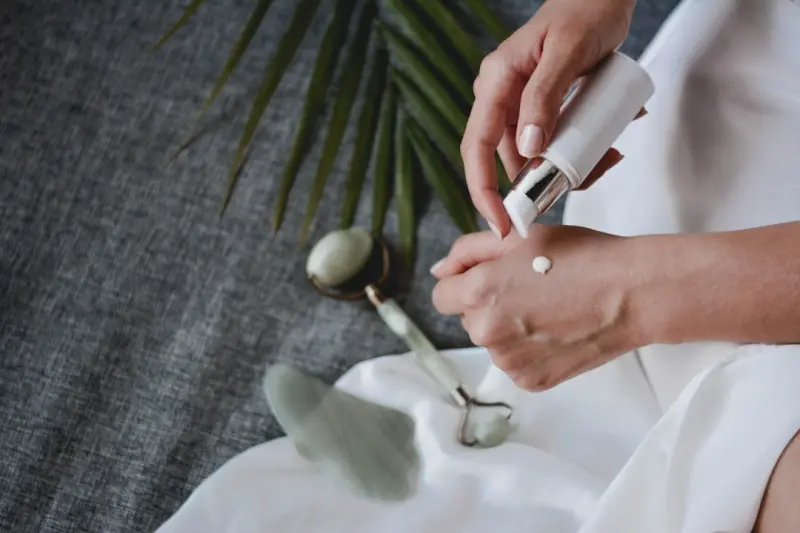
Understanding Seasonal Skin Shifts
When the temperature drops and humidity shifts, our skin doesn’t simply react—it undergoes a biochemical recalibration that can manifest as dryness, heightened sensitivity, or unexpected oiliness, and recognizing these patterns is the first step toward a truly responsive personal care routine; the key is to observe not just the surface feel but also the subtle changes in texture, tone, and barrier resilience that accompany each season. By treating these signals as data points rather than inconveniences, you can pre‑emptively adjust product textures, active ingredients, and application frequencies to keep the skin’s ecosystem balanced, and this proactive mindset mirrors the way athletes fine‑tune their training regimens in response to changing conditions. In practice, this means swapping heavy creams for lighter gels as spring arrives, introducing barrier‑supporting ceramides when winter winds bite, and using antioxidant‑rich serums during summer’s UV surge, all while staying attuned to how your skin feels after each tweak, creating a dynamic dialogue between you and your epidermal health.
Beyond the obvious temperature factor, seasonal shifts also influence our internal hormonal rhythms, which in turn affect sebum production and moisture retention; for example, longer daylight hours can stimulate cortisol levels that may increase oil output, while shorter days often trigger the body’s stress response, leading to compromised barrier function. Understanding this interplay allows you to layer your routine with targeted support—think of incorporating adaptogenic botanicals during high‑stress periods and adding humectants when the air becomes arid—to maintain equilibrium both externally and internally. By aligning your personal care choices with these cyclical cues, you not only address immediate skin concerns but also cultivate a resilient foundation that adapts gracefully year after year, turning what many see as a hassle into a strategic advantage.
Building a Flexible Skincare Toolkit
Instead of committing to a static set of products, I’ve begun curating a modular toolkit that can be mixed, matched, and swapped out as the calendar flips, and this approach frees you from the guilt of “abandoning” a favorite serum when the season changes; think of each item as a versatile building block— a lightweight moisturizer, a rich night balm, a pH‑balancing toner, and a targeted treatment serum—each with a clear purpose and the ability to pair seamlessly with others. By storing these essentials in clear, labeled containers, you eliminate guesswork, streamline your morning and evening rituals, and create space for experimentation without the fear of clutter or waste, a principle that aligns well with the broader trend toward sustainable, purposeful consumption. When a new concern arises, such as increased redness during autumn, you simply introduce a calming anti‑inflammatory ingredient into the existing sequence, rather than overhauling the entire regimen, preserving both efficacy and continuity.
To make this system truly adaptive, I recommend establishing a quarterly “review ritual” where you assess how each product performed, note any emerging skin trends, and decide which items to rotate in or out, a habit that mirrors the quarterly check‑ins many of us use for finances or fitness goals. During this audit, you can also incorporate insights from how scent influences mood by selecting fragrance‑free or aromatherapeutic options that complement your emotional state, ensuring that the tactile experience of care supports mental well‑being as well. This intentional, evidence‑based rotation not only keeps your skin responsive but also cultivates a deeper sense of agency over your personal care journey.
Microbiome‑Friendly Practices
One of the most exciting frontiers in personal care today is the skin microbiome—a bustling community of bacteria, fungi, and viruses that act as a protective shield, and nurturing this ecosystem can dramatically improve resilience, reduce inflammation, and even brighten complexion, making it a cornerstone of any forward‑thinking routine. Rather than relying solely on harsh antibacterials, I’ve shifted toward products that contain pre‑biotics, post‑biotics, and gentle surfactants, allowing beneficial microbes to thrive while still cleansing effectively, a balance that mirrors the dietary principle of feeding good gut bacteria to promote overall health. Incorporating fermented ingredients like kimchi extract or lactobacillus‑derived peptides provides the skin with live cultures that reinforce barrier function, and these components have shown promising results in clinical studies for soothing eczema‑prone skin and restoring natural acidity.
In addition to product selection, lifestyle habits play a pivotal role; limiting over‑exfoliation, avoiding excessive hot showers, and protecting the skin’s natural oil layer with breathable fabrics all help preserve microbial diversity, and these simple adjustments can be woven into the flexible toolkit described earlier. For those seeking an extra boost, a weekly “microbiome mask” made from yogurt, honey, and oatmeal delivers live cultures directly to the surface, acting as a probiotic feast that calms irritation and reinforces the skin’s defensive barrier. By treating your skin as a living ecosystem rather than a static canvas, you create a self‑sustaining cycle of health that adapts to seasonal stresses, environmental pollutants, and even the occasional travel‑induced disruption.
Mindful Rituals That Bridge Body and Mood
Personal care reaches its highest potential when it transcends the purely physical and becomes a ritual that grounds the mind, and I’ve found that integrating mindful pauses—such as a five‑minute facial massage with upward strokes, deep breathing, or a brief gratitude reflection—creates a feedback loop where calmness enhances skin health and healthy skin, in turn, reinforces emotional stability. This synergy is especially potent when you align your routine with your internal clock, as discussed in aligning your routine with your circadian rhythm, because the skin’s repair processes are most active during the night, making a soothing pre‑sleep routine an optimal time for restorative treatments like retinol or peptide complexes. By dimming lights, playing a low‑frequency soundscape, and focusing on the sensations of each product, you transform a mundane task into a therapeutic ceremony that signals to the brain that it’s time to unwind.
To keep these practices sustainable, I recommend pairing them with a single, multi‑purpose tool—such as a silicone facial roller or a soft, natural‑fiber brush—that can be used for cleansing, massage, and lymphatic drainage, reducing the need for multiple gadgets while reinforcing the habit loop through tactile familiarity. Over time, these small but intentional actions compound, leading to clearer skin, reduced stress hormones, and a heightened sense of self‑care ownership. Embracing this holistic approach ensures that your personal care routine remains not just effective but also deeply satisfying, turning everyday moments into opportunities for renewal and growth.

Lauren Miller is a true outdoors enthusiast who has found her passion in the trades. When she's not working hard on the job, you can find her writing, camping, fishing, and exploring all that nature has to offer. A dedicated partner to her wife Beth, Lauren loves nothing more than spending quality time together and experiencing the great outdoors side by side.
Related Posts
When Your Body Clock Calls: Crafting Personal Care Routines for Every Chronotype
Discover how aligning your personal care rituals with your natural chronotype—whether you’re a l... Read More

Cultivating a Friendly Skin Microbiome: The Next Frontier in Personal Care
Explore the shift from sterile skin routines to a symbiotic approach, learning practical ways to fee... Read More
Reimagining Daily Personal Care: Tiny Rituals for Big Well‑Being
Learn how to transform everyday personal care tasks into intentional, sensory‑rich rituals that ca... Read More
Top Posts

Flavor Trails: Mapping Your Culinary Adventures on the Road
Discover the art of culinary cartography—using notebooks, AI assistants, and offline moments to chart flavors across the globe, turning each meal into a lasti...Read More

Redefining Connection: How to Build Healthy Digital Boundaries for Mental Clarity
Learn how intentional offline windows, purposeful spaces, and community support can transform your relationship with technology, restoring mental clarity and em...Read More
The Personal Care Toolkit: Tiny Rituals for Big Confidence
Learn to turn everyday grooming into a mini‑adventure with multisensory tools, sustainable swaps, and micro‑movements that elevate mood, focus, and skin hea...Read More

Storytelling for the Soul: How Narrative Practices Boost Mental Wellness
Explore practical storytelling techniques—scene‑setting journals, playful personas, and future letters—that transform stress into structured narratives, f...Read More
0 Comments
Post Comment
You will need to Login or Register to comment on this post!