
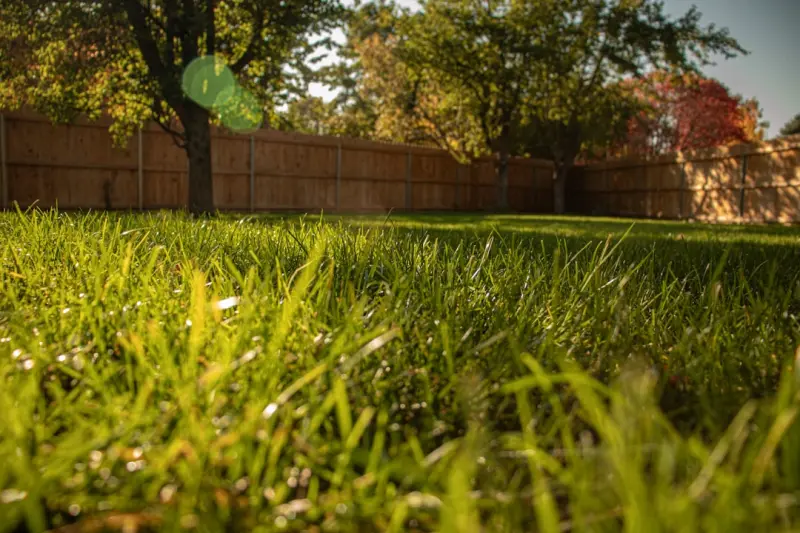
Why a Food‑First Landscape is the Next Home Revolution
When I moved into my first suburban home, the yard looked like every other yard I’d seen on my street—a neat carpet of grass, a few ornamental shrubs, and a sprinkling of generic perennials. I loved the tidy look, but the space felt under‑utilized. A few months later, inspired by a community garden tour, I began to wonder: What if my lawn could actually feed my family? That question sparked a journey that transformed not just my garden, but my relationship with food, seasonality, and the planet.
Re‑imagining the Lawn: From Aesthetic to Asset
Most homeowners treat the lawn as a visual backdrop. It’s mowed, watered, and fertilized, then left to sit there looking good for the neighbor’s next block party. I asked myself three simple questions that flipped that mindset:
- What can this space produce? – Fruit, vegetables, herbs, or even edible flowers.
- How can I support local ecosystems? – Native pollinators, beneficial insects, and soil microbes.
- What maintenance habits can I streamline? – Water‑saving techniques and low‑input gardening.
Answering these questions laid the groundwork for a food‑first landscape that looks beautiful, yields harvests, and works with nature rather than against it.
Step 1: Mapping Your Space Like a Chef Plans a Menu
Before you buy a single seed packet, take a notebook and sketch the garden’s dimensions. Mark sun exposure (north‑, east‑, south‑, and west‑facing zones), wind patterns, and existing structures. I discovered that my western edge received afternoon heat that was perfect for heat‑loving tomatoes, while the shaded northern corner was ideal for leafy greens that thrive in cooler conditions.
Consider the multi‑sensory garden ideas as a design inspiration, but focus on edibility rather than just sensory delight. By layering height—groundcovers, mid‑height herbs, and tall fruit trees—you create a three‑dimensional pantry that maximizes square footage.
Step 2: Choosing the Right Plants for a Resilient Food Forest
Plant selection is the heart of a food‑first landscape. I prioritize three categories:
- Perennial Staples – Asparagus, rhubarb, and artichoke return year after year, providing a reliable backbone.
- Annual Harvests – Tomatoes, peppers, and beans give quick returns and can be rotated annually to keep soil health vibrant.
- Native Edibles – Plants like serviceberries, pawpaws, and wild strawberries attract pollinators, improve biodiversity, and often require less water and fertilizer.
When selecting varieties, think about harvest windows. Staggered ripening means you’ll have fresh produce throughout the growing season, reducing the need for store‑bought snacks.
Step 3: Soil Health—The Unsung Hero
Good soil is the secret sauce of any thriving garden. I start each season with a simple soil test (many local extension services offer free kits). The results guide amendments: compost for organic matter, lime or sulfur to balance pH, and rock phosphate for phosphorus‑starved soils.
To keep the soil alive, I employ no‑dig mulching. A thick layer of wood chips or shredded leaves suppresses weeds, conserves moisture, and feeds soil microbes as it decomposes. Over time, the soil structure becomes crumbly and dark—evidence of a thriving underground ecosystem.
Step 4: Water Wisely—Saving H₂O While Growing More Food
Water is the most critical—and often most wasteful—resource in gardening. I’ve adopted a few strategies that dramatically cut usage:
- Drip Irrigation – Delivers water directly to the root zone, reducing evaporation.
- Rainwater Harvesting – Collecting runoff from the roof into barrels gives you free, soft water for the garden.
- Mulch – As mentioned, mulch acts as a natural sponge, holding moisture for days.
Even if you’re not ready for a full drip system, the home air quality hacks article mentions simple ways to capture and reuse indoor moisture, a technique that can be repurposed for garden watering during dry spells.
Step 5: Designing for Year‑Round Interest and Productivity
A garden that only looks good in summer can feel barren in winter. I integrate evergreen herbs (rosemary, sage), ornamental grasses, and winter‑bearing vegetables like kale and Brussels sprouts. These plants keep the garden alive visually and nutritionally through the cold months.
Another trick is to plant “border crops” that serve dual purposes. For instance, planting garlic between rows of strawberries deters pests while providing a harvest of aromatic bulbs. This intercropping strategy reduces the need for chemical inputs and adds layers of flavor to your kitchen.
Step 6: Harvest, Preserve, and Celebrate
There’s nothing quite like plucking a sun‑ripe tomato from a plant you tended yourself. To make the most of your bounty, I set up a simple preservation routine:
- Cold‑Storage – Root cellars for carrots, potatoes, and beets.
- Fermentation – Sauerkraut, kimchi, and pickled cucumbers add probiotic benefits.
- Freezing – Herbs, berries, and leafy greens freeze beautifully when blanched briefly.
These practices not only extend the harvest season but also deepen the connection between your garden and your family’s meals.
Step 7: Involving the Whole Household
A food‑first landscape is a collaborative project. I assign age‑appropriate tasks to my kids—watering, seed planting, and gentle weeding. This turns the garden into a living classroom where lessons about biology, responsibility, and sustainability unfold naturally.
Even the family pet can become a garden ally. Chickens, for example, can graze on garden waste, turning it into high‑quality compost. If you don’t have space for a coop, a simple “chicken tractor” can be moved around the yard, offering both pest control and fertilizer.
Step 8: Embracing the Unexpected—Pests, Weather, and Growth Surprises
No garden is perfect, and a food‑first landscape is no exception. I’ve learned to view challenges as opportunities for creativity. When aphids appeared on my beans, I introduced ladybugs and planted nasturtiums as a sacrificial trap. When a sudden late frost threatened my early tomatoes, I used old blankets and a row cover to protect the seedlings.
These moments remind me that gardening is a dynamic dialogue with nature, not a rigid plan you execute without deviation.
Step 9: Measuring Success Beyond Yield
While a bumper harvest feels rewarding, the true success of a food‑first landscape lies in its broader impact:
- Reduced Grocery Bills – Homegrown produce can replace a sizable portion of store‑bought items.
- Lower Carbon Footprint – Shortening the supply chain cuts emissions associated with transport and packaging.
- Improved Soil and Biodiversity – Healthy soil sequesters carbon and supports wildlife.
- Family Well‑Being – Growing food together fosters mindfulness, patience, and a sense of accomplishment.
Tracking these metrics—perhaps in a simple spreadsheet—helps you see the tangible benefits and keeps motivation high.
Step 10: Sharing the Harvest and Knowledge
One of the most fulfilling aspects of a food‑first landscape is the ability to share. I host seasonal “garden-to‑table” dinners for neighbors, exchanging recipes and seed swaps. These gatherings strengthen community ties and inspire others to start their own edible spaces.
When you feel confident, consider starting a small “neighborhood food forest” on a shared plot or a schoolyard. The ripple effect of a single garden can blossom into a network of sustainable, productive green spaces across your town.
Final Thoughts: Your Backyard, Your Table
Transitioning from a decorative lawn to a productive food landscape isn’t an overnight overhaul; it’s a series of intentional, manageable steps. By mapping your space, choosing resilient edibles, nurturing soil, and embracing water‑wise practices, you’ll watch your yard evolve into a living pantry that feeds both body and soul.
Remember, the goal isn’t perfection—it’s progress. Each seed planted, each weed pulled, and each harvest celebrated adds a chapter to your garden’s story. So grab a trowel, roll up your sleeves, and let your backyard become the most delicious part of your home.

Mei Chen is a dynamic professional who brings a unique blend of skills to Blogging Fusion. As a key contributor to the Blogging Fusion platform, she leverages her writing expertise to create engaging content that resonates with our audience.
Related Posts
Designing a Backyard Sound Garden: Turn Your Outdoor Space into a Living Symphony
Turn your garden into a living concert hall with natural resonators, water whispers, and smart desig... Read More

From “I’ll Work Somewhere Else” to a Purpose‑Built Garden Desk
Ever caught yourself daydreaming about swapping the hum of your HVAC for the rustle of leaves, the c... Read More
Garden Whisper: Designing a Year‑Round Outdoor Reading Nook
Learn to create a peaceful outdoor reading nook using reclaimed furniture, seasonal plants, and ecoâ... Read More
Top Posts

Sustainable Bathroom Makeover: Reducing Waste One Shelf at a Time
A step‑by‑step guide to overhaul your bathroom, replace single‑use containers with refillable options, and integrate sustainable habits that benefit both ...Read More

When AI Becomes Your Strategic Co‑Pilot: Navigating Uncertainty with Real‑Time Insight
Learn how an AI strategic co‑pilot can augment decision‑making, offering real‑time insights, scenario planning, and ethical guardrails, while boosting bot...Read More

When AI Becomes the Quiet Companion in Your Workday
Explore the concept of ambient AI—a subtle, context‑aware technology that quietly enhances focus, automates micro‑tasks, and supports learning, helping em...Read More
Chasing the Uncharted Railway: A Journey Through Forgotten Tracks
A traveler uncovers the charm of obscure train lines, sharing stories of spontaneous connections, historic echoes, and the art of minimalist adventure....Read More
0 Comments
Post Comment
You will need to Login or Register to comment on this post!