

The Science Behind Smell and Emotion
Our brains are wired to treat scent as a direct line to the limbic system, the emotional hub that governs memory, fear, and pleasure, meaning that a single whiff can instantly shift our mood without any conscious effort; researchers have shown that aromatic compounds can modulate the release of cortisol, the stress hormone, and simultaneously boost the production of serotonin, the feel‑good neurotransmitter, creating a biochemical shortcut to calm. By understanding this hidden pathway, we can deliberately choose fragrances that act as natural antidotes to anxiety, turning ordinary moments—like brewing tea or stepping into a garden—into therapeutic rituals that reinforce emotional resilience.
Building a Personal Aroma Toolkit
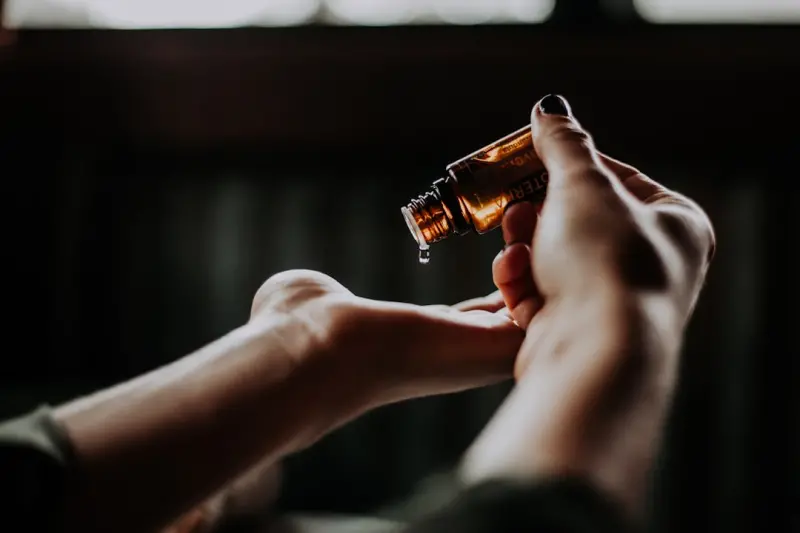
Start by cataloguing the scents that instantly lift your spirits—perhaps the fresh zest of citrus, the grounding earthiness of sandalwood, or the nostalgic sweetness of vanilla—and keep small, travel‑friendly vials of essential oils or scented sachets on hand; the key is to pair each aroma with a specific intention, such as “focus” for peppermint or “relaxation” for lavender, and to practice a brief inhalation routine whenever you notice tension building. Over time, this curated collection becomes a personal library of emotional triggers, allowing you to access a quick reset button in high‑stress environments like open‑plan offices or crowded commutes, without needing to rely on technology or external validation.
Integrating Scent with Breathwork
One of the most potent ways to amplify the calming effects of aroma is to combine it with simple breathwork, a practice that synchronizes inhalation with mindful awareness, creating a feedback loop that deepens relaxation; for example, inhale slowly through the nose while savoring a lavender scent, hold for a count of four, then exhale gently, visualising the release of stress as the fragrant air leaves your body. This synergy not only enhances the physiological benefits of breath regulation—such as lowered heart rate and improved oxygenation—but also trains the brain to associate specific smells with a state of calm, making future stress responses more manageable.
Sound as a Complementary Sensory Anchor
While scent operates behind the scenes, sound offers an overt, rhythmic anchor that can reinforce the grounding effect of aroma, especially when both are experienced simultaneously; low‑frequency tones like ocean waves or soft rain, paired with a calming scent, create a multi‑sensory environment that immerses the nervous system in a state of parasympathetic dominance, the “rest‑and‑digest” mode essential for mental recovery. By curating playlists that feature ambient textures—think gentle harp arpeggios or distant wind chimes—and pairing them with your favorite aromatic cue, you establish a layered sensory cue that your brain learns to recognize as a safe haven, even amidst chaotic surroundings.
Everyday Settings for Sensory Reset
Transform mundane spaces into therapeutic zones by embedding scent and sound into daily routines: place a discreet diffuser on your desk with a few drops of citrus to signal the start of focused work, then switch to a calming lavender blend and soft instrumental music during lunch breaks for a mini‑reboot; similarly, attach a scented magnet to your bathroom mirror and play a short nature sound loop while brushing your teeth, turning a routine chore into a moment of mindfulness that subtly reduces cortisol spikes throughout the day. These micro‑adjustments require minimal effort but compound over weeks, gradually reshaping your stress response patterns without demanding major lifestyle overhauls.
Traveling the World of Aroma
Exploring new environments offers a unique opportunity to expand your aromatic repertoire, as each culture brings distinctive fragrances—from Japanese hinoki wood to Moroccan rose water—that can enrich your emotional toolkit; when you encounter a novel scent during a trip, pause to notice the emotions it evokes, then capture that memory with a small vial or a scented candle to revisit later, creating a portable archive of calming triggers that travel with you. By intentionally collecting and practicing with these global aromas, you not only diversify your sensory strategies but also cultivate a sense of adventure that counters the monotony often linked to burnout.
Mindful Scent Journaling
To deepen the connection between smell and emotional state, adopt a brief journaling practice that records the context, scent, and resulting feeling each time you engage in a sensory reset; this habit mirrors the insights from micro‑moments journaling but focuses specifically on olfactory experiences, allowing you to identify patterns—such as which aromas consistently reduce anxiety before meetings or improve sleep quality at night. Over weeks, the journal becomes a data‑driven guide, empowering you to refine your scent selections with evidence‑based confidence.
Creating a Scent‑Friendly Home Environment
Design your living space with scent zones that align with the activities you perform there: a bright, energizing orange or peppermint scent in the kitchen to stimulate creativity while cooking, a soft eucalyptus or pine aroma in the bedroom to promote deep, restorative sleep, and a grounding cedar or amber fragrance in the living room to support relaxed conversations; combine these with subtle background sounds—like a faint fireplace crackle in the lounge or a gentle rain track in the bedroom—to reinforce the intended mood, ensuring each room serves as a dedicated emotional sanctuary.
Long‑Term Benefits and the Path Forward
When consistently applied, the dual practice of scent and sound grounding can rewire neural pathways, making the brain more efficient at recognizing and responding to stress cues, ultimately lowering baseline anxiety levels and enhancing overall mental clarity; research suggests that regular sensory conditioning can increase gray matter density in regions associated with emotional regulation, offering a neuroprotective effect that supports long‑term resilience. Embracing this simple, low‑cost strategy empowers you to take active control of your mental health, turning ordinary moments into deliberate opportunities for calm, focus, and emotional growth.

Jody Henderson is a passionate freelance writer, driven by a love for storytelling and a keen eye for detail. With a versatile skillset, she crafts compelling content across a variety of niches, from engaging blog posts to informative articles and persuasive marketing copy.
Related Posts

When Setbacks Become Stepping Stones: A Compassionate Approach to Inner Strength
Discover a compassionate framework that transforms setbacks into opportunities for growth, using pra... Read More

Tuning In: How Curated Soundscapes Boost Mental Resilience
Explore the science behind sound and mental health, learn practical steps to design personal soundsc... Read More

Storycraft for the Soul: How Personal Narrative Fuels Mental Resilience
Discover the power of micro‑story journaling, sound‑scaped storytelling, and layered routines to... Read More
Top Posts
The Quiet Revolution of Adaptive Skincare: Products That Learn From You
Adaptive skincare blends sensors, AI, and personal rituals to create products that adjust to your skin’s daily changes, offering smarter, sustainable self‑c...Read More

Career Crafting: How Employees Can Design Their Own Work Futures
In a shifting workplace, static job descriptions are giving way to career crafting—where employees map their own growth, align with outcome‑based goals, and...Read More

Turning Lateral Moves into Career Accelerators
Learn to leverage internal mobility as a deliberate career strategy, using skill mapping, sponsorship, and reverse mentoring to turn lateral moves into rapid gr...Read More

When AI Becomes the Boardroom’s Silent Strategist
AI is quietly reshaping the boardroom, offering real‑time risk detection, massive scenario simulations, and narrative‑driven insights that empower executive...Read More
0 Comments
Post Comment
You will need to Login or Register to comment on this post!