
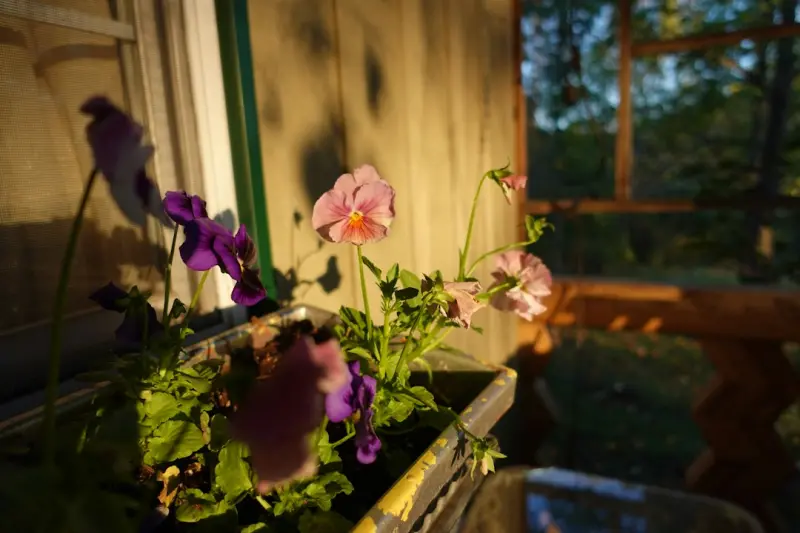
Welcome to the Window: Crafting Seasonal Indoor Gardens That Transform Your Home
There’s a quiet magic that happens when the first light of dawn kisses a humble windowsill. As a lifelong lover of both design and horticulture, I’ve spent the past decade turning ordinary frames of glass into living canvases. In this post, I’ll walk you through the why, what, and how of building a seasonal window garden that not only brightens your space but also nurtures your mind.
Why a Seasonal Window Garden?
Think of a window garden as a bridge between the inside world we inhabit and the ever‑changing rhythm of the outdoors. When we align our indoor planting cycles with the seasons, we reap several surprising benefits:
- Natural light optimization: Plants placed strategically can filter harsh sunlight in summer and reflect warmth in winter, improving energy efficiency.
- Mood elevation: The act of tending to living things releases dopamine, reducing stress and boosting focus.
- Seasonal décor on autopilot: Instead of swapping out throw pillows or décor every few months, your garden evolves naturally, providing a fresh visual narrative.
- Improved air quality: Certain herbs and foliage act as natural air purifiers, removing pollutants and increasing oxygen flow.
All of this aligns perfectly with a holistic home‑care philosophy that views the house not just as a shelter, but as a living system.
Choosing the Right Window
Before you rush to the garden center, evaluate the space you have:
- Orientation: South‑facing windows receive the most consistent light, making them ideal for sun‑loving herbs like basil and rosemary. East‑facing windows offer gentle morning light, perfect for delicate seedlings. West‑facing windows can be harsh in the afternoon, so consider shade‑loving ferns or trailing vines.
- Size and depth: Shallow ledges suit compact herbs and succulents, while deeper window boxes can host dwarf tomatoes, peppers, or even miniature citrus.
- Temperature fluctuations: Some windows become cold drafts in winter. If that’s the case, choose hardy greens like kale or chard, which tolerate cooler temps.
Seasonal Planting Calendar – A Quick Reference
Below is a simple cheat sheet that maps plants to each season, based on typical temperate‑climate light patterns. Feel free to adapt to your local climate.
| Season | Plants | Care Tips |
|---|---|---|
| Spring | Peas, lettuce, spinach, mint, nasturtium | Start seeds in moist seed‑starting mix; keep windows bright but avoid direct midday sun. |
| Summer | Basil, oregano, cherry tomatoes, dwarf peppers, lavender | Water early morning; add a light layer of mulch to retain moisture. |
| Fall | Kale, Swiss chard, thyme, sage, pansies | Gradually reduce watering as days shorten; consider a portable grow light if daylight drops below 4 hours. |
| Winter | Microgreens, indoor kale, rosemary (in a sunny spot), indoor citrus seedlings | Use a humidifier or pebble tray to combat dry indoor heating; rotate pots weekly for even light. |
Design Principles: From Functional to Aesthetic
Creating a window garden is as much an art as it is a science. Here are three design lenses to help you shape your garden:
1. Layering for Depth
Place taller plants at the back of the window box and let trailing vines cascade forward. This not only creates visual depth but also ensures each plant receives the appropriate amount of light.
2. Color Storytelling
Mix foliage with blossoms to craft a seasonal palette. For spring, pair bright green lettuce with the orange‑red blooms of nasturtium. In winter, contrast the deep purple of kale leaves with the soft yellow of citrus seedlings.
3. Multi‑Sensory Elements
Incorporate fragrant herbs, textured foliage, and even edible flowers. When you walk past your window, the scent of mint or rosemary can act as a subtle cue to pause and breathe, a tiny yet powerful mindful micro‑ritual that grounds you in the present.
DIY Window Box Projects
If you love a hands‑on approach, here are two quick builds you can tackle over a weekend.
Reclaimed Wood Box
- Gather reclaimed planks (old pallet wood works beautifully).
- Cut to size, ensuring a depth of at least 8‑10 inches.
- Assemble with stainless steel screws; finish with a weather‑proof sealant.
- Line with breathable landscape fabric and fill with a light, well‑draining potting mix.
Hanging Glass Terrarium
- Purchase a clear glass terrarium with a built‑in drainage tray.
- Layer pebbles, then activated charcoal, followed by potting soil.
- Plant a mix of succulents and trailing vines; add decorative stones for visual interest.
- Hang using a sturdy hook placed at the center of your window frame.
Maintenance Made Simple – Turn Routine Into Joy
Consistency is key, but maintenance doesn’t have to feel like a chore. Here are three strategies that transform upkeep into a pleasant ritual:
- Watering stations: Place a small watering can or a reusable spray bottle on the sill. A quick mist each morning becomes a moment of calm.
- Weekly “check‑in”: Spend five minutes each Sunday to prune dead leaves, rotate pots for even light, and note any pests. This habit aligns with the home hacks for smarter living mindset, where small, intentional actions yield big returns.
- Harvest and re‑plant: When herbs are ready, snip what you need and immediately sow fresh seeds in the vacant space. This creates a continuous cycle of growth and renewal.
Integrating the Garden Into Your Daily Flow
Beyond aesthetics, a window garden can become a functional part of your day:
- Morning brew companion: Position a small herb pot—like mint or lemon balm—next to your coffee station. The fresh aroma can elevate your morning ritual.
- Work‑from‑home backdrop: If you spend hours at a desk, a living green wall behind you reduces eye strain and can boost creativity.
- Evening wind‑down zone: Light a candle, close the blinds partially, and tend to your plants. The gentle act of pruning can act as a natural transition into relaxation.
Common Pitfalls & How to Avoid Them
Even seasoned gardeners stumble. Here are a few mistakes I’ve learned to sidestep:
- Over‑watering: Too many new gardeners think “more water = healthier plants.” Use a moisture meter or the finger‑test: the top inch of soil should feel dry before you water again.
- Ignoring temperature swings: Windows can become heat traps in summer. If you notice leaves wilting, move the pot a few inches away from direct sun or add a sheer curtain for diffusion.
- Choosing the wrong soil: Garden soil is too heavy for containers. Opt for a light, peat‑free potting mix that drains well.
Scaling Up: From One Window to an Indoor Greenhouse
If your heart longs for more greenery, consider expanding beyond the sill. A compact indoor greenhouse—whether a freestanding cabinet or a repurposed closet—lets you grow larger fruiting plants, such as dwarf citrus trees or even strawberries. The key is consistent light, so a supplemental LED grow light placed on a timer can simulate summer daylight year‑round.
Bringing the Outdoors Inside, the outdoor vibe indoors
Think of your window garden as the first brushstroke in an indoor landscape that mirrors the beauty of a backyard lounge. By echoing the textures, colors, and scents you’d find outside, you create a seamless transition that makes your home feel larger and more connected to nature.
Conclusion: A Living Portrait of the Seasons
There’s an undeniable satisfaction in watching a tiny seed sprout, mature, and eventually make way for the next generation—all from the comfort of your favorite chair. A seasonal window garden isn’t just décor; it’s a living, breathing reminder that life is ever‑changing, and so can our spaces. By embracing light, texture, and rhythm, you’ll craft a window view that tells a story—your story—through every leaf, blossom, and scent.
So, grab a pot, pick a seed, and let your window become a canvas for nature’s most intimate art. Happy planting!

Steph Sanderson is a Toronto-based freelance writer and content creator with a clear passion: crafting compelling articles. With a dedication to clear, engaging prose and a knack for storytelling, Steph brings a wealth of experience to every project.
Related Posts
Garden Desk Revolution: Jimmy Damon’s Blueprint for a Green Home Office
Jimmy Damon reveals his secret to a thriving garden desk—blending design, wellness, and tech for a... Read More

The Rise of Pocket Gardens: Big Green Impact in Small Spaces
Pocket gardens turn even the tiniest corners of urban homes into productive, sustainable oases. Lear... Read More
Brightening Your Home with DIY Solar Gardens: A Hands‑On Guide
Discover a step‑by‑step guide to creating a DIY solar garden that blends sustainable energy with... Read More
Top Posts

Design Your Role: A Blueprint for Job Crafting Success
Learn how to reshape your existing role through job crafting. This guide offers actionable steps to align tasks, relationships, and mindset with your strengths ...Read More
The Secret Power of Backyard Water Features: A Practical Guide for Modern Homeowners
Explore the transformative impact of water features in your garden, from design and material choices to smart tech integration and sustainable maintenance, all ...Read More

AI‑Augmented Mentorship: Scaling Human Wisdom in the Enterprise
AI‑augmented mentorship transforms traditional mentorship by using intelligent systems to capture, curate, and deliver tacit knowledge, enabling scalable, per...Read More

When Your Toothbrush Becomes a Wellness Coach: The Future of Oral Personal Care
Discover how modern toothbrushes are evolving into intelligent wellness coaches, integrating data, habit science, and mindfulness to transform a routine task in...Read More
0 Comments
Post Comment
You will need to Login or Register to comment on this post!