

When you walk into a room that feels sun‑kissed, something clicks. It’s not just the brightness; it’s the way light can lift mood, sharpen focus, and even shave a few dollars off your utility bill. Yet many of us live in spaces where daylight feels like a scarce commodity, hidden behind heavy drapes or cramped by cluttered furniture. As someone who’s spent countless evenings tweaking lighting rigs for home videos and mornings hunting for the perfect spot to read, I’ve learned a handful of tricks that let you coax more sun into your living area without tearing down walls or splurging on pricey remodels.
Start With a Light Audit
Before you buy any new fixture or paint a wall, take a moment to map out where natural light currently lands. Grab a notebook or use a phone app that tracks sun paths and note the following for each room:
- Window orientation: North‑facing windows get soft, indirect light; south‑facing get strong, direct sun; east and west offer morning or evening bursts.
- Obstructions: Are there blinds, curtains, or furniture that block the window’s view?
- Time of day: When does each room receive the most light? This will guide where you place activity zones.
Write down the hours of peak sunlight. Knowing the exact windows that deliver the most illumination lets you design around them instead of fighting them.
Declutter the Window Frame
One of the quickest wins is to clear the perimeter of your windows. Heavy curtains, oversized furniture, and indoor plants can all cast shadows that steal daylight. Swap out bulky drapes for light, breathable fabrics or simply pull them aside during the day. If you love the cozy feel of curtains, consider a layered approach: a sheer linen panel for privacy plus a blackout layer for night.
Next, check the floor. A tall bookshelf or a sofa that sits flush against a window will inevitably block light. Move those pieces a few inches back or opt for low‑profile seating that lets the sun stream in. Even a small shift can increase the light bounce off the walls by 15‑20%.
Mirror Magic: Reflect, Amplify, Delight
Mirrors are the unsung heroes of light‑boosting. When placed opposite a window, they bounce sunlight deeper into the room, creating an illusion of space. Here’s how to get the most out of them:
- Choose a mirror that’s at least half the size of your window; larger mirrors reflect more light.
- Angle the mirror slightly upward to catch the sun’s path and redirect it onto darker corners.
- Use multiple smaller mirrors in a gallery wall for a playful, scattered‑light effect.
Don’t forget decorative mirrored trays or mirrored backs on cabinets. They add subtle sheen without the commitment of a full‑wall mirror.
Paint the Walls Light‑Friendly
Color plays a massive role in how light behaves. Light, cool hues—think soft whites, pale greys, and pastel blues—reflect more daylight than deep, warm tones. If you’re not ready for a full paint job, consider the following low‑commitment options:
- Accent walls: Paint a single wall that catches the most sun in a high‑reflectivity shade.
- Wallpaper: Look for matte finishes that avoid glare but still bounce light.
- Temporary paint: Chalkboard or peel‑and‑stick paints can be removed later if you change your mind.
Even the ceiling matters. A ceiling painted a shade lighter than the walls can lift the overall brightness, making the room feel airy and open.
Smart Window Treatments
Traditional curtains often serve a single function—blocking light. Modern window solutions let you enjoy privacy while still harvesting sunlight. Here are three budget‑friendly ideas:
- Cellular shades: These honeycomb blinds trap air, providing insulation while allowing you to adjust the slats for optimal light diffusion.
- Solar screens: Install a thin, UV‑filtering screen on the exterior of the window. It reduces glare but still lets soft light filter in.
- Roller blinds with sheer inserts: Pull the sheer layer during the day for privacy and light, then switch to the opaque layer at night.
All three options are reversible and can be swapped as seasons change, keeping your home comfortable year‑round.
DIY Light Shelves: A Small Addition with Big Impact
Light shelves are horizontal ledges installed a few feet below the window sill. They catch high‑angle sun, bounce it onto the ceiling, and then disperse it across the room. While they’re common in commercial buildings, they’re surprisingly easy to create at home:
- Measure the width of your window and cut a piece of white plywood to that length.
- Paint it a matte white or light‑reflective finish.
- Mount it securely to the wall, ensuring the top edge is about 12‑18 inches below the window.
When the sun is high, the shelf acts like a mini‑reflector, spreading light deeper into the space. During winter, when the sun sits lower, you can simply fold the shelf away.
Skylight Alternatives: Tubular Daylighting Devices
If adding a full‑size skylight feels daunting, consider a solar tube (also known as a tubular daylighting device). These are thin, reflective tubes that run from the roof to a small diffuser on the ceiling. They capture sunlight and channel it down, delivering a focused, natural glow without compromising roof integrity. Installation typically takes a few hours and can be done by a handy DIYer.
Benefits include:
- Improved energy efficiency (they reduce reliance on artificial lighting).
- Enhanced mood and circadian rhythm support.
- Low maintenance—just clean the diffuser occasionally.
Seasonal Adjustments for Consistent Light
Winter brings low sun angles, while summer can oversaturate a room. To keep the balance, adopt a few seasonal habits:
- Winter: Use light‑enhancing indoor plants like snake plant or pothos that thrive in low‑light conditions. Their glossy leaves reflect light back into the room.
- Summer: Add interior blinds with reflective backing to mitigate glare without sacrificing daylight. A light‑colored rug can also absorb excess heat while keeping the visual brightness.
By swapping simple accessories as the sun shifts, you maintain a harmonious light level year‑round.
Integrate Smart Lighting for a Seamless Transition
Even the best natural light can dip when clouds roll in. Pair your daylight strategy with smart bulbs that automatically adjust color temperature based on the time of day. Set a routine where the bulbs emit a warm amber hue in the evening (supporting melatonin production) and a cool, bright tone during the day to complement the natural light.
Many smart lighting platforms also let you simulate sunrise if you need a gentle wake‑up cue on darker mornings, ensuring your home feels bright even before the sun peaks.
Energy Savings: The Financial Upside of Light
Every kilowatt‑hour you offset by relying on daylight translates to lower electricity bills. A study from the Department of Energy shows that strategic daylighting can cut lighting energy consumption by up to 30 %. The payoff is especially noticeable in rooms that stay illuminated for long periods, like home offices or kitchens.
Combine your daylight upgrades with energy‑efficient LED fixtures for the times you still need artificial light. LEDs use up to 75 % less energy than incandescent bulbs and have a lifespan that can outlast the typical renovation cycle.
Final Checklist: Sun‑Boosting Quick Wins
- Map each window’s orientation and peak sun hours.
- Remove heavy drapes; opt for sheer, light‑filtering fabrics.
- Reposition furniture to avoid blocking windows.
- Install mirrors opposite windows to reflect light.
- Paint walls and ceilings in light‑reflective shades.
- Choose smart window treatments that balance privacy and light.
- Build a DIY light shelf for deeper light diffusion.
- Consider a solar tube if a skylight isn’t feasible.
- Adjust accessories seasonally to maintain optimal brightness.
- Integrate smart lighting for seamless day‑to‑night transitions.
- Track energy savings to see the financial benefits.
By approaching natural light as a design element rather than an afterthought, you transform your home into a brighter, healthier, and more energy‑smart space. The best part? Most of these tactics cost pennies or a weekend’s worth of DIY time. So roll up your sleeves, chase those sunbeams, and watch your home come alive.

Jimmy Damon loves to right on a large scale of topics with all things Canadian as this Montreal die hard loves hockey. fishing and sports.
Related Posts
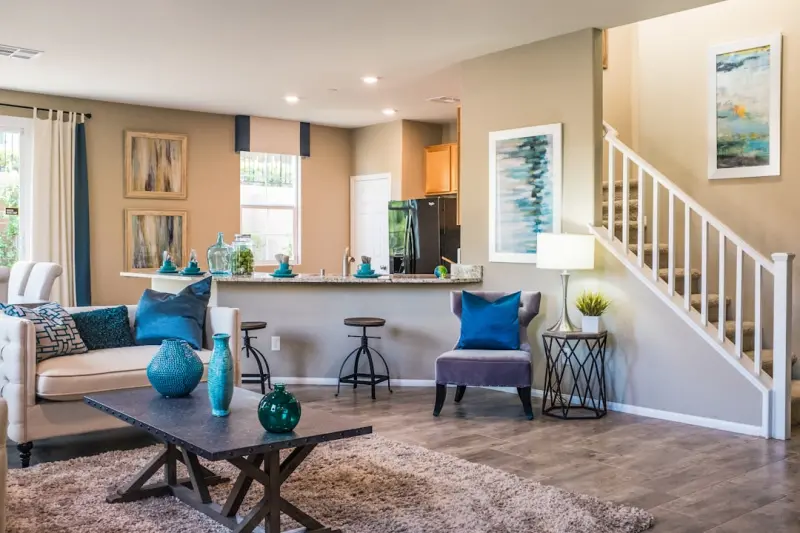
Design Home Zones That Boost Focus, Relaxation, and Movement
Discover practical, low‑cost methods for zoning your home to support work, relaxation, exercise, a... Read More

Smart Home Swaps That Save Money and Reduce Waste
Learn practical, budget‑friendly home upgrades that slash energy costs, conserve water, and turn y... Read More

Micro‑Zones: Tiny Home Transformations for Big Daily Wins
Learn to carve out micro‑zones—focused corners for work, cooking, relaxation, fitness, and creat... Read More
Top Posts

Breathing Back Balance: Simple Practices to Reset Your Nervous System
This post reveals why breath is the hidden lever for health, explains the science of the nervous system, and offers three easy techniques you can practice anywh...Read More
Designing a Nighttime Garden: Light, Texture, and Tranquil Evenings
Discover how to craft a captivating nighttime garden using thoughtful lighting, reflective elements, and soothing sounds for an enchanting outdoor sanctuary....Read More

Seasonal Eating as a Wellness Strategy: Tuning Your Body to Nature’s Rhythms
Explore the science behind seasonal eating and learn simple, actionable steps to align your diet with nature’s calendar, enhancing nutrition, gut health, and ...Read More

Why Employee‑Curated Learning Paths Are the Future of Work
In this article, Michelle Fisher explores the rise of employee‑curated learning paths, detailing how self‑directed skill roadmaps align personal growth with...Read More
0 Comments
Post Comment
You will need to Login or Register to comment on this post!