
Why Sustainable Swaps Matter
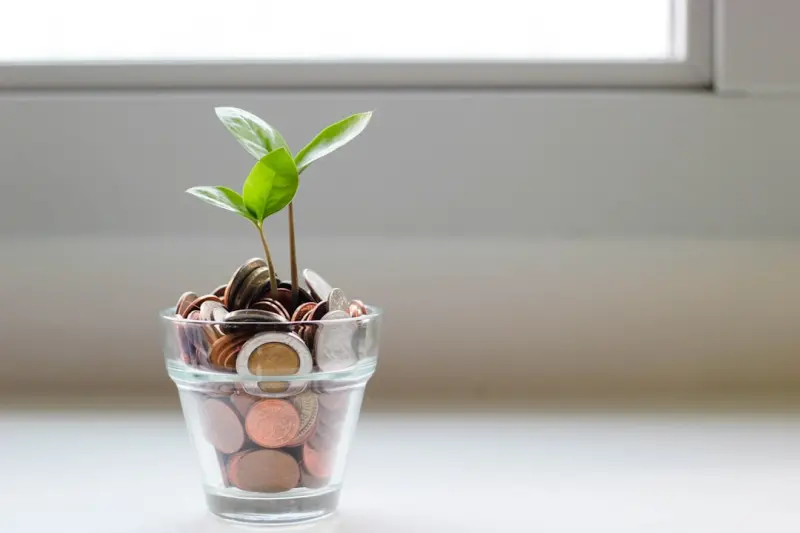
Every homeowner feels the tug of two competing forces: the desire for comfort and the urge to protect the planet. I’ve spent years tweaking my own space, discovering that the smartest upgrades are those that pay dividends in both comfort and cost. When you blend ecological responsibility with practical savings, the home transforms from a mere shelter into a thriving, low‑impact haven that rewards you every month.
Seal the Deal with Simple Insulation Tweaks
Drafty windows and thin walls are silent money‑leakers, draining heat in winter and blasting cool air in summer. By applying weather‑stripping to doors, adding foam sealant around outlets, and layering reflective foil behind radiators, you can slash energy bills without a major remodel. These tweaks are quick, inexpensive, and surprisingly effective—think of them as a budget‑friendly “thermal armor” for your home. For inspiration on maximizing space while you work, check out some clever storage solutions that keep your upgrades tidy.
Smart Thermostats: The Brain of Your HVAC
A programmable thermostat learns your routine, adjusting temperature when you’re away and warming the house just before you step through the door. The result is a seamless balance of comfort and energy efficiency that feels almost magical. Pair it with a mobile app, and you’ll receive real‑time alerts if your system runs hotter than expected, allowing you to intervene before waste spirals out of control.
Water‑Saving Fixtures That Make a Splash
Replacing old showerheads with low‑flow models can shave off gallons without sacrificing pressure, while dual‑flush toilets give you control over each flush’s volume. A simple aerator on kitchen faucets reduces runoff by up to 30%, translating into lower utility bills and a lighter load on municipal water supplies. Pair these upgrades with a rain‑barrel system, and you’ll collect enough runoff to water a modest small home garden or flush toilets during dry spells.
Lighting That Saves Energy and Elevates Mood
LED bulbs have become the gold standard, delivering the same lumens as incandescent lights while using a fraction of the power. Yet the real secret lies in strategic placement: install dimmers, use motion sensors in hallways, and position fixtures to harness natural daylight during peak sunshine hours. The result is a home that feels brighter, costs less, and reduces the strain on the grid.
Micro‑Renewable Energy Solutions for the Everyday Homeowner
Full‑scale solar farms may feel out of reach, but rooftop panels, solar garden lights, and portable solar chargers are increasingly affordable and easy to install. Even a modest 1‑kilowatt system can offset a significant portion of your electricity use, especially when paired with an energy‑monitoring device that highlights peak consumption times. Over time, the initial investment often pays for itself through tax credits and reduced utility bills.
Upcycling Furniture: Turning Old Into Gold
Instead of discarding outdated pieces, consider sanding, painting, or reupholstering them to match your new eco‑friendly aesthetic. Repurposed wooden crates become stylish shelving, while vintage dressers can serve as media consoles after a fresh coat of low‑VOC paint. This approach not only cuts waste but also adds a unique, personal flair that mass‑produced items lack.
Zero‑Waste Kitchen Practices That Stick
Start by swapping single‑use plastics for glass containers, silicone lids, and reusable produce bags. Composting food scraps in a countertop bin reduces landfill waste and creates nutrient‑rich material for indoor herb gardens. When you plan meals around bulk‑buy staples, you minimize packaging and keep pantry shelves organized, reinforcing the sustainability loop you’ve built throughout the house.
Putting It All Together: Your Roadmap to a Greener Home
Each of these upgrades works best in concert, creating a synergy that multiplies savings and environmental impact. Begin with the low‑cost, high‑return changes—seal drafts, install smart thermostats, and swap to LED lighting—then progress to larger investments like solar panels and water‑capture systems. As you watch your utility statements shrink, you’ll feel a genuine sense of achievement, knowing your home is now a model of efficiency, comfort, and responsible living.

Brad Hays is a freelance writer known for his versatile skill set and ability to craft compelling content across a wide range of industries.
Related Posts
The Home Power Grid: Turning Every Room Into a Productivity Hub
Learn how to map energy zones, wire your space with smart tools, and design a flexible home power gr... Read More

Revamp Your Entryway: Small Changes for Big Home Flow
Discover how to turn a chaotic entryway into a functional, calming hub with practical storage ideas,... Read More

Illuminating Your Home: How Ambient Lighting Transforms Everyday Living
A deep dive into using layered ambient lighting, smart bulbs, and air‑purifying plants to create a... Read More
Top Posts

AI’s Quiet Revolution: Turning Everyday Friction into Creative Fuel
Explore the subtle power of AI as a micro‑assistant that smooths daily friction, fuels creativity, and aligns with personal values, offering practical steps t...Read More

Micro‑Rituals for Radiant Skin and Calm Minds
Learn the power of micro‑rituals: easy DIY serum recipes, mindful breathing, and sensory cues that boost skin health and calm the mind, all in a sustainable d...Read More

The Garden Revolution: How Green Workspaces Are Redefining Employment
Jimmy Damon reveals how turning your desk into a green oasis can transform productivity, mental health, and sustainability, ushering in a new era of employment....Read More

Laugh Lines: Harnessing Humor to Fortify Workplace Mental Health
A practical guide to integrating positive, inclusive humor into daily work routines, showing how laughter can lower stress hormones, improve team cohesion, and ...Read More
0 Comments
Post Comment
You will need to Login or Register to comment on this post!