
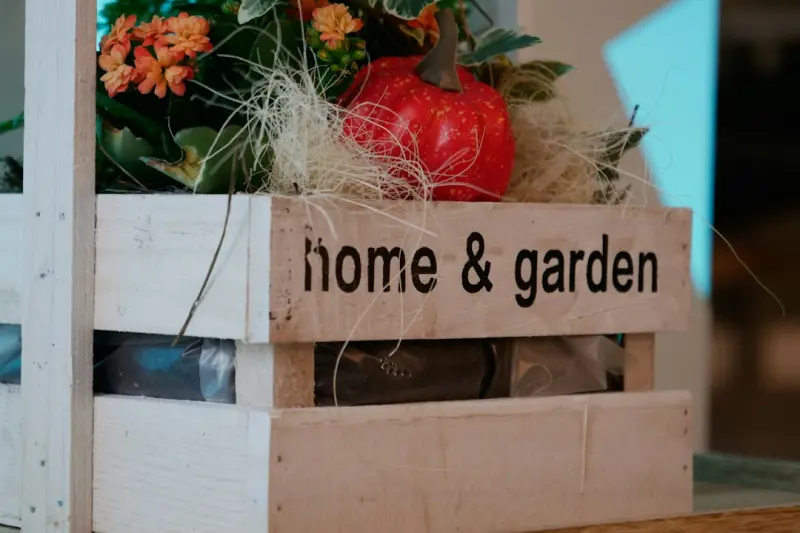
Why Pocket Gardens Are the Secret Weapon for Modern Homeowners
When I first moved into my city‑center apartment, the only green I owned was a wilted pothos perched on a windowsill. I craved the feeling of stepping outside into a sanctuary, but my balcony was barely big enough for a single potted herb. That’s when I discovered the magic of pocket gardens—tiny, curated ecosystems that turn even the most modest nooks into lush retreats.
The Psychology Behind Small‑Space Greenery
Research shows that humans are hard‑wired to respond positively to nature. A single leaf can lower stress hormones, while a burst of color can boost creativity. The catch? Most of us live in spaces where a full‑scale garden feels impossible. Pocket gardens solve that dilemma by delivering the same psychological benefits in a compact format.
Think of it as micro‑nature therapy. Every time you glance at a thriving succulent or smell the faint citrus of a mini lemon tree, you’re giving your brain a quick reset. It’s a low‑effort habit that yields high‑impact returns on mental wellbeing.
Getting Started: Choosing the Right Location
The first step is to assess where you have “pocket” potential. Look for:
- Sunny windowsills (south‑ or west‑facing are ideal)
- Balcony railings with enough depth for a shallow tray
- Unused corners of a hallway or entryway that receive indirect light
Once you’ve identified a spot, measure the width, depth, and height. This will guide the type of containers you’ll need and the plant varieties that will thrive.
Selecting Plants That Thrive in Small Spaces
Not every plant is suited for a pocket garden. Here are my top picks, organized by light requirements:
Full Sun (5+ hours)
- Mini Citrus Trees – Dwarf varieties of lemon, lime, or kumquat can be trained into a compact shape.
- Succulents – Echeveria, haworthia, and jade plants love bright light and need minimal water.
- Herbs – Basil, thyme, and oregano are perfect for culinary use and love sunny windows.
Partial Shade (2–4 hours)
- Ferns – Boston fern or maidenhair adds a soft, feathery texture.
- Peace Lily – Offers glossy leaves and occasional white blooms, thriving in low light.
- Spider Plant – Tolerates a range of conditions and produces airy, arching leaves.
Low Light (1 hour or less)
- Zamioculcas (ZZ Plant) – Almost indestructible and tolerates neglect.
- Snake Plant – Upright, architectural leaves that filter indoor air.
- Cast Iron Plant – True to its name, it survives even the darkest corners.
Design Principles for a Cohesive Pocket Garden
Even though the space is small, a thoughtful design can make it feel intentional and luxurious.
- Layering: Use a mix of heights—ground‑cover succulents, mid‑height herbs, and taller focal plants like a dwarf citrus.
- Texture Contrast: Pair fleshy leaves with feathery fronds to add visual interest.
- Color Palette: Choose a limited color scheme (e.g., greens with pops of purple) for a harmonious look.
- Repetition: Duplicate a few containers or plant types to create rhythm.
When you step back and view the arrangement, the garden should feel balanced, not cluttered.
Choosing the Right Containers
Containers are more than just pots; they’re a design element. Here’s what to consider:
- Material: Terracotta breathes, while glazed ceramics retain moisture. Recycled metal or reclaimed wood add an eco‑friendly vibe.
- Size: Ensure the pot depth matches the plant’s root needs. A general rule: 1 inch of pot depth per inch of mature plant height.
- Drainage: Always have a drainage hole. If your container lacks one, add a layer of pebbles at the bottom.
Don’t be afraid to mix and match—an eclectic collection of pots can become a visual statement.
Soil, Water, and Care Routine
Because the growing medium is confined, it’s crucial to use a high‑quality, lightweight potting mix. Look for blends that contain perlite or coconut coir for aeration.
Watering Tips:
- Check the top inch of soil—if it feels dry, it’s time to water.
- Water until you see a few drops escape the drainage holes.
- Never let the pot sit in a saucer of standing water; root rot is the silent killer of pocket gardens.
Establish a weekly routine: water, prune dead leaves, and rotate the containers to ensure even light exposure.
Adding Sensory Elements Without Overlap
While many of our recent posts explore sensory experiences (Designing a Sensory Sanctuary for Everyday Personal Care), pocket gardens can be a subtle extension of that concept, focusing on the tactile and olfactory senses within the home.
Incorporate scented herbs like lavender or mint for a calming aroma that activates your sense of smell whenever you walk by. Use textured pots—smooth glazed ceramics next to rough reclaimed wood—to invite touch. Even the gentle rustle of leaves can become a soothing background sound.
Seasonal Adaptations: Keeping Your Pocket Garden Thriving Year‑Round
Just because your garden is small doesn’t mean it’s exempt from seasonal changes. Here’s how to adapt:
Winter
- Move containers to the brightest indoor spot.
- Reduce watering frequency; most plants enter dormancy.
- Consider a seasonal home refresh checklist that includes swapping out summer annuals for winter greens like kale.
Spring
- Introduce fresh seedlings—peas, beans, or fast‑growing radishes.
- Gradually increase exposure to direct sunlight to avoid sunburn.
Summer
- Watch for heat stress; move pots to a shaded balcony during the hottest part of the day.
- Increase humidity by misting leaves or placing a shallow tray of water nearby.
Fall
- Begin pruning and removing spent foliage to prepare for the dormant season.
- Swap out bright summer blooms for autumnal colors like burgundy coleus.
Integrating Pocket Gardens with Home Zoning
If you’ve read our Strategic Home Zoning guide, you know how powerful micro‑spaces can be for productivity and relaxation. Pocket gardens fit seamlessly into these zones:
- Work Corner: Place a small herb garden on your desk for a fresh scent that boosts focus.
- Reading Nook: A trailing pothos or a hanging fern adds a calming backdrop.
- Entryway: A shallow tray of succulents greets guests with a splash of green.
By aligning plant placement with functional zones, you reinforce the purpose of each area while enhancing its aesthetic.
DIY Upcycling Projects to Elevate Your Pocket Garden
One of my favorite weekend activities is turning discarded items into garden containers. Here are three quick projects:
Tea Tin Terrarium
Rinse out an empty tea tin, add a layer of small stones for drainage, then a thin layer of potting mix. Plant tiny succulents, close the lid, and place it on a windowsill. The tin acts as a miniature greenhouse.
Reclaimed Wood Shelf
Find a weathered wooden plank, sand it down, and attach brackets to the wall. Use it as a floating shelf for several small pots—perfect for a vertical garden.
Wine Bottle Herb Garden
Cut the bottom off a glass wine bottle, sand the edges, and fill it with soil. Plant herbs like rosemary or thyme. Hang the bottle using a sturdy hook for a rustic look.
Budget-Friendly Tips for Scaling Up
Once you’re comfortable with one pocket garden, you may want to expand. Here are cost‑effective ways to do so:
- Propagation: Use cuttings from existing plants to grow new ones—almost free.
- Seed Swaps: Join local gardening groups or online forums for seed exchanges.
- Bulk Soil: Purchase potting mix in larger bags and portion it into smaller containers.
- Community Resources: Some nurseries offer discounted “starter” plants for first‑time gardeners.
Measuring Success: How to Tell If Your Pocket Garden Is Thriving
Beyond aesthetics, a thriving pocket garden shows these signs:
- Vibrant Foliage: Leaves should be firm, green, and free of yellowing.
- Steady Growth: New leaves, stems, or shoots appear regularly.
- Pest Balance: A few beneficial insects (like ladybugs) are a good sign; heavy infestations indicate a problem.
- Root Health: When repotting, healthy roots appear white or light tan, not dark and mushy.
If you notice any issues, adjust watering, light, or soil as needed. Remember, plants are forgiving; a little attention goes a long way.
Conclusion: Your Pocket Garden as a Lifestyle Anchor
In a world where space is premium, pocket gardens offer a low‑cost, high‑reward strategy to bring nature indoors. They’re not just decorative; they’re functional tools for mental clarity, culinary inspiration, and sustainable living. By selecting the right plants, containers, and placement, you can create a green oasis that aligns with your home’s zoning, seasonal rhythms, and personal style.
So, the next time you pass by that empty balcony or unused windowsill, imagine the possibilities: a fragrant herb corner, a cascading succulent waterfall, or a tiny orchard of dwarf citrus. Your pocket garden awaits—ready to transform a modest nook into a vibrant sanctuary.

Amanda is a passionate writer exploring a kaleidoscope of topics from lifestyle to travel and everything in between.
Related Posts
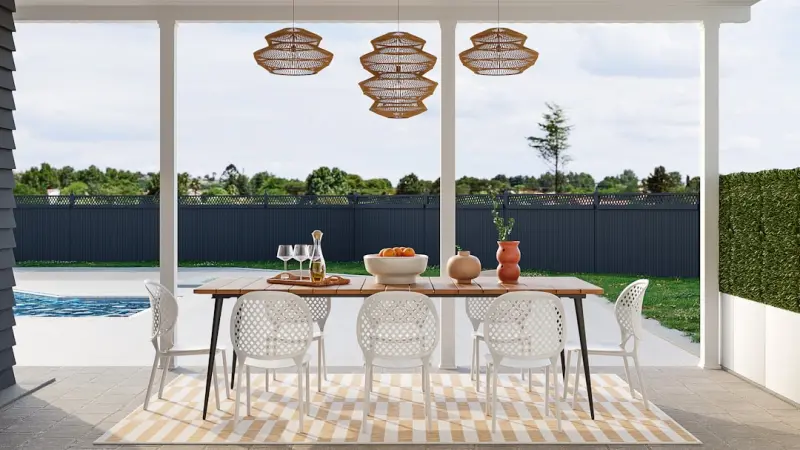
Creating a Low‑Maintenance Outdoor Living Room with Reclaimed Materials
Discover practical steps to transform a neglected yard into a low‑maintenance outdoor living room ... Read More

Creating a Backyard Habitat for Native Bees and Butterflies
A step‑by‑step guide to turning any backyard into a thriving haven for native bees, butterflies,... Read More

Backyard Alchemy: Turning Everyday Materials into a Living Art Gallery
Learn to turn trash into treasure, layer plants for seasonal drama, and invite pollinators, creating... Read More
Top Posts

Embracing the Cozy: How to Create a Warm and Inviting Home Environment
Discover the secrets to creating a cozy home environment that's perfect for relaxing, working, or entertaining. Get tips on warm lighting, textiles, and natural...Read More
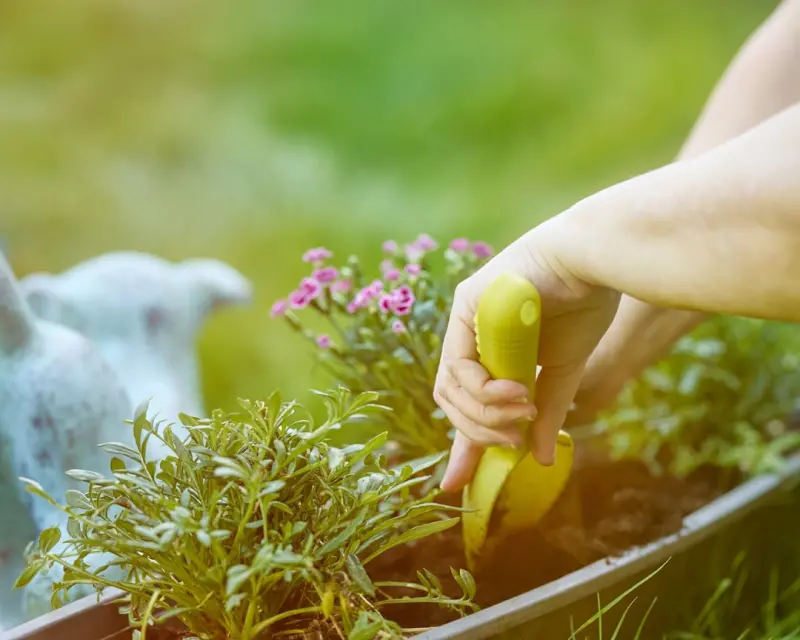
Creating a Multi‑Sensory Garden That Nurtures Body and Mind
Learn to craft a sensory garden that delights all five senses, using fragrance, texture, sound, taste, and light to turn any backyard into a healing sanctuary....Read More

Mapping Transferable Skills: Your Roadmap to Seamless Career Transitions
Learn to inventory your capabilities, align them with new roles, and craft a compelling narrative that turns career transitions into strategic advantages....Read More

Unlocking Internal Talent Markets: Let Employees Navigate Their Own Career Paths
A fresh look at internal talent marketplaces shows how giving employees autonomy over projects revitalizes engagement, accelerates skill development, and create...Read More
0 Comments
Post Comment
You will need to Login or Register to comment on this post!