
The Soil Calls: Why a Small Garden Can Reshape Your Home Life
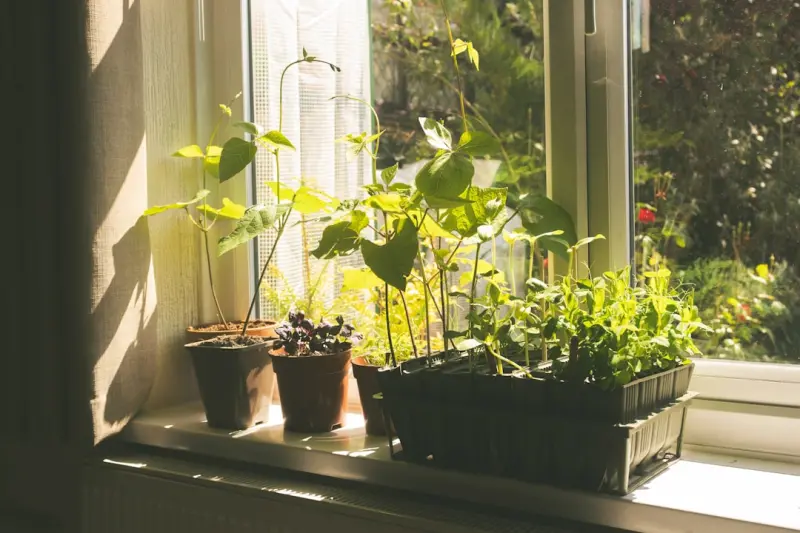
When the world outside feels rushed, the act of turning a patch of earth into a living canvas can become a quiet rebellion. I discovered that even a modest balcony or windowsill, when treated with intention, can supply fresh herbs, bright flowers, and a daily reminder that growth is patient. The soil becomes a mirror for our own rhythms: we water, we wait, we reap, and we learn to celebrate the slow, tactile progress that digital life often steals. By anchoring a corner of our home to the ground, we invite a subtle, grounding energy that steadies the mind and brightens the spirit.
Mapping Micro‑Climates in Urban Spaces
Every home, no matter how compact, hosts a variety of micro‑climates—sun‑kissed corners, shaded nooks, breezy ledges, and humid bathrooms. Understanding these pockets lets you match plants to their perfect environment, reducing the guesswork that often leads to wilted leaves. For instance, a south‑facing window can host Mediterranean herbs like rosemary and thyme, while a shaded balcony thrives with ferns and shade‑loving begonias. By charting these zones, you create a thriving ecosystem that feels effortless, turning maintenance into a delightful observation rather than a chore.
Choosing Plants That Serve Both Aesthetics and Purpose
Beyond beauty, plants can solve everyday problems: purifying air, deterring pests, and even providing culinary ingredients. A handful of snake plants or pothos will filter indoor pollutants, while a thriving pot of basil or mint offers a fragrant garnish for dinner. I love the dual reward of cutting a fresh sprig for a salad and knowing that the same plant has been silently improving my indoor air quality. This synergy between function and form makes gardening feel like a practical art, a small act of stewardship that enriches the entire household.
Seasonal Rotation: Keeping the Garden Dynamic All Year
One secret to a garden that never feels stagnant is to rotate crops and decorative plants with the seasons. In spring, sow quick‑growing radishes and colorful marigolds; summer invites heat‑loving tomatoes and nasturtiums; autumn welcomes kale and ornamental cabbage; winter can be a time for hardy herbs like sage tucked into a sunny indoor spot. This cycle not only ensures a continuous harvest but also provides a visual rhythm that mirrors the changing world outside, keeping your home in sync with nature’s calendar.
DIY Containers That Blend Seamlessly With Home Décor
Instead of generic plastic pots, repurpose everyday objects to house your greens—think reclaimed wooden crates, vintage teacups, or even an old ladder turned into a tiered planter. These creative containers become conversation pieces, echoing the personality of the space while reducing waste. I once transformed a set of mismatched mason jars into a cascading herb garden that now hangs above my kitchen sink, adding both practicality and a splash of rustic charm. Such thoughtful repurposing invites you to see every object as a potential home for life.
Water Management: Simple Systems for Consistent Care
Over‑watering is the most common mistake new gardeners make, but a few low‑tech solutions can make hydration effortless. A self‑watering globe or a DIY saucer system using a pebble tray allows soil to draw moisture as needed, mimicking natural rainfall. For larger balcony beds, consider a rain barrel connected to a drip line that delivers just the right amount of water at sunrise. These methods not only conserve water but also free you from the mental load of constant checking, turning care into a set‑and‑forget routine.
Harvesting the Intangible Benefits: Mood, Focus, and Community
The act of tending to plants triggers the release of dopamine and reduces cortisol, creating a natural mood boost that rivals a cup of tea. I’ve found that a brief morning ritual of trimming a rosemary sprig sharpens my focus for the day ahead, while evening watering sessions serve as a calming wind‑down. Moreover, sharing cuttings or surplus produce with neighbors builds a quiet network of reciprocity, turning solitary gardening into a communal experience without the need for large gatherings.
Integrating Technology Without Losing the Soul
While the heart of gardening is analog, a few smart tools can enhance success without dominating the experience. A discreet soil‑moisture sensor linked to a phone notification can alert you before a plant reaches stress, and a timer‑controlled LED grow light extends daylight for winter growers. I use these aids sparingly, ensuring they support rather than replace the tactile connection I cherish. For those interested in a deeper dive on balancing tech and tradition, check out the guide on personal innovation through everyday tools that explores similar principles in other contexts.
Creating a Personalized Self‑Care Sanctuary with Greenery
Finally, consider your garden as an integral part of a broader self‑care sanctuary. Pair a cozy reading nook with a cluster of lavender and eucalyptus, letting their soothing aromas frame your relaxation time. Add soft cushions, warm lighting, and perhaps a small water feature to deepen the sensory experience. When the space feels inviting, you’ll find yourself returning more often, using the garden not just for sustenance but as a restorative retreat that nurtures body, mind, and home. For inspiration on shaping such a sanctuary, explore the art of a personalized self‑care sanctuary and discover how subtle design choices amplify wellbeing.

Margaret Thomson is a seasoned freelance writer specializing in the dynamic worlds of marketing and advertising. With a career deeply rooted in the marketing field, Margaret brings a wealth of practical experience and insightful knowledge to her writing.
Related Posts

Turn Your Backyard into an All‑Season Social Oasis
Discover how to design a versatile backyard oasis that adapts to every season, blending modular furn... Read More
Edible Elegance: Turning Your Garden Into a Culinary Canvas
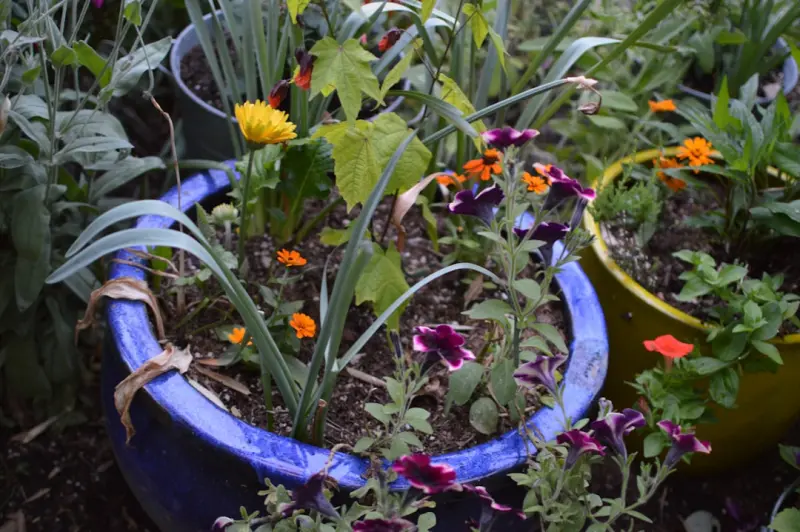
Discover how to redesign your garden as a living pantry, using companion planting, smart irrigation,... Read More

Bright Nights: Crafting a Smart Outdoor Lighting Experience
Explore how to transform your backyard or patio with smart, layered lighting that blends ambiance, s... Read More
Top Posts

Why Garden Desks Are Becoming the Ultimate Employment Edge
Explore how garden desks are reshaping modern employment, enhancing focus and creativity while offering a sustainable, nature‑infused workspace....Read More

Colorful Minds: How Palette Choices Shape Workplace Well‑Being
A deep dive into how the hues surrounding us impact stress, focus, and morale, offering actionable design strategies that turn any office into a mental‑wellne...Read More
Why My Backyard Garden Desk Became My Home’s Productivity Hub
Transform your home life with a garden desk: boost productivity, improve health, and create a vibrant family hub—all in your backyard....Read More
From Backyard to Boardroom: How My Garden Desk Revolutionized Home Life
Jimmy Damon shares his journey of turning a simple garden desk into a thriving outdoor office, boosting productivity, creativity, and work‑life balance....Read More
0 Comments
Post Comment
You will need to Login or Register to comment on this post!