
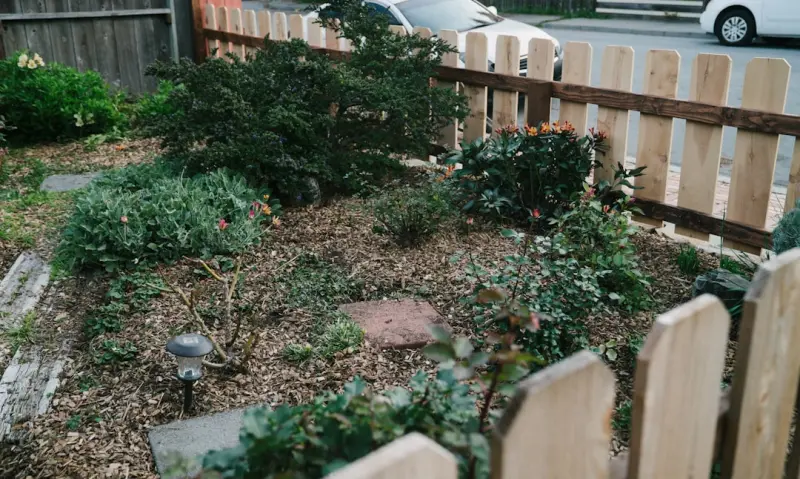
Reimagining the Backyard as a Connected Eco‑Hub
For many homeowners, the garden is still a static plot of soil and plants, but the next wave of home improvement is turning it into a dynamic, data‑driven ecosystem. By weaving together low‑cost sensors, cloud‑based analytics, and automated hardware, you can give your outdoor space the same intelligent responsiveness that modern smart homes enjoy. The result is a backyard that not only looks good but also conserves water, boosts plant health, and adapts to the ever‑changing climate—all while requiring far less manual labor.
Soil Intelligence: Sensors that Speak the Language of Earth
At the heart of any smart garden lies a network of soil moisture and nutrient sensors that relay real‑time data to your phone or voice assistant. These devices sit just a few centimeters below the surface, measuring moisture levels, temperature, pH, and even electrical conductivity, which indicates nutrient availability. When paired with a simple dashboard app, you can visualize trends over weeks, spot problem areas before wilting occurs, and make data‑backed decisions about fertilization and watering schedules.
Weather‑Responsive Irrigation: Let the Sky Be Your Timer
Traditional sprinkler timers run on preset schedules, often ignoring the weather forecast and leading to wasteful over‑watering. By integrating a weather API with a smart controller, your irrigation system can automatically delay or accelerate cycles based on incoming rain predictions, humidity, and evapotranspiration rates. This approach not only slashes your water bill but also protects root systems from the stress of excess moisture, creating a healthier, more resilient planting zone.
Solar Power Meets Water Flow: Sustainable Pumping Solutions
Replacing grid‑powered pumps with compact solar‑driven units is a game‑changer for off‑grid or eco‑conscious gardeners. A modest photovoltaic panel mounted on a south‑facing fence can generate enough electricity to run a sub‑mersible pump for drip or micro‑sprinkler lines, especially when paired with a small battery buffer for cloudy days. The synergy of renewable energy and smart irrigation creates a closed‑loop system that dramatically reduces your carbon footprint while keeping your garden hydrated.
AI‑Guided Plant Selection for a Low‑Impact Landscape
Choosing the right plants for your micro‑climate used to rely on trial and error, but today personal sustainability coach tools can analyze your soil data, sunlight exposure, and local weather patterns to recommend species that will thrive with minimal inputs. These platforms also suggest companion planting arrangements that naturally deter pests and improve soil fertility, allowing you to cultivate a vibrant garden without resorting to chemical interventions.
Modular Furniture that Doubles as Storage and Planters
Gone are the days of static benches and solitary flower boxes; the modern garden embraces modular furniture that can be reconfigured seasonally or as your family’s needs evolve. Imagine a sleek bench with hollowed‑out sections that house herb planters, or a coffee table that folds out into a raised‑bed for seedlings. This multifunctional design maximizes limited space, provides convenient access to fresh produce, and creates a cohesive aesthetic that blurs the line between indoor comfort and outdoor utility.
Creating Micro‑Climates with Shade Sails and Reflective Surfaces
Just as architects use zoning to regulate temperature indoors, gardeners can sculpt micro‑climates with strategically placed shade sails, reflective mulch, and heat‑absorbing stones. By directing sun‑filtered light to shade‑loving ferns while concentrating warmth on heat‑tolerant succulents, you can broaden the palette of plants that flourish in a single yard. This targeted approach reduces the need for artificial heating or cooling, letting natural elements do the heavy lifting.
Edible Landscaping: Aesthetic Meets Nutrition
Integrating edible plants into ornamental borders transforms your garden into a living pantry that feeds both eyes and appetites. Fruit trees pruned into espalier forms line pathways, while low‑bush berries spill over decorative hedges, creating a seamless visual flow. Coupled with companion planting strategies—such as pairing nitrogen‑fixing legumes with heavy‑feeding tomatoes—you can maintain soil health and harvest a bounty that supports sustainable living.
From Vision to Reality: Your First Smart Garden Steps
Embarking on a tech‑enhanced garden makeover may feel daunting, but starting small ensures success and builds confidence. Begin by installing a single moisture sensor and connecting it to a free analytics app, then expand to a weather‑linked irrigation controller as you grow comfortable with the data. As each piece falls into place, you’ll witness a garden that intuitively knows its needs, conserves resources, and rewards you with thriving plants and a serene, high‑tech retreat.

Paul Flynn is a versatile freelance writer equipped with a diverse skillset and a portfolio that reflects his wide-ranging interests and expertise. From crafting compelling website copy and engaging blog posts to delivering in-depth articles and meticulously researched reports, Flynn demonstrates a remarkable ability to adapt his writing style to suit various audiences and purposes.
Related Posts

Embracing the Cozy: How to Create a Warm and Inviting Home Environment
Discover the secrets to creating a cozy home environment that's perfect for relaxing, working, or en... Read More

Breathe Easy: Transform Your Home Into an Air‑Purifying Sanctuary
Learn how natural ventilation, air‑purifying houseplants, and upcycled furniture can transform you... Read More
From My Garden Desk: How a Green Workspace is Redefining Home & Garden Living
Jimmy Damon reveals how turning his backyard into a garden office sparked productivity, creativity, ... Read More
Top Posts

Why My Garden Desk Is the Secret to Career Resilience
A garden desk isn’t just a trend; it’s a career catalyst. Learn how outdoor workspaces can boost focus, creativity, and professional advancement....Read More

Breathing Into Your Routine: Elevate Personal Care with Intentional Breathwork
Learn to integrate simple breathwork techniques into your daily personal care regimen, enhancing skin health, calming the nervous system, and turning routine ta...Read More

From My Garden Desk: Jimmy Damon’s Blueprint for the New Era of Employment
Jimmy Damon shares his journey of transforming a garden into a thriving workspace, highlighting flexibility, productivity boosts, and the future of remote emplo...Read More
Boost Focus at Home with Simple Acoustic Upgrades
Learn practical, budget‑friendly acoustic improvements—from strategic soft furnishings to DIY sound panels—that create a quieter, more productive home env...Read More
0 Comments
Post Comment
You will need to Login or Register to comment on this post!