
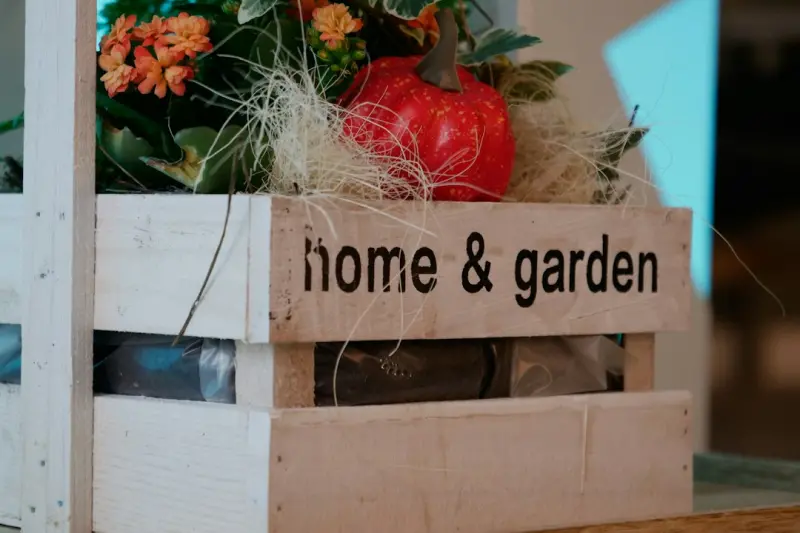
Why a Living Kitchen Garden is the Heartbeat of a Home
When I first moved into my downtown apartment, the only green I owned was a wilted ficus that survived on the occasional splash of water and a lot of hope. I missed the scent of fresh basil on a summer breeze, the crunch of home‑grown lettuce between my teeth, and the simple pleasure of watching a seedling break through soil. That longing sparked a tiny rebellion: I decided to turn my kitchen countertop into a living garden that would feed my meals, my mind, and even my guests’ conversations.
What began as a modest experiment quickly evolved into a centerpiece of my home life. The garden is no longer a decorative afterthought; it’s an interactive, ever‑changing part of my daily routine. In this post, I’ll share the philosophy behind a kitchen garden, the step‑by‑step process I used, and the surprising ways it has reshaped my relationship with food, space, and even my own well‑being.
The Philosophy: Food as a Living Experience
Most of us think of food as a final product—something you purchase, heat, and consume. For me, growing my own herbs and veggies has shifted that perspective. Each seed carries a story, each leaf a lesson in patience, and every harvest a reminder of the cycles that connect us to the earth. By integrating a garden into the kitchen, you turn the act of cooking into a dialogue with nature. It’s a subtle, yet profound, reminder that the meals we enjoy are part of a larger, living ecosystem.
Beyond the culinary benefits, a living kitchen garden offers emotional rewards. Tending to a plant can be meditative, grounding you in the present moment. Watching seedlings sprout after weeks of waiting reinforces the value of consistent care—a principle that applies just as well to projects at work or personal goals.
Choosing the Right Space: From Countertop to Windowsill
Before you rush to buy the fanciest containers, assess the real estate you have. In my case, the kitchen island offered a sunny, stable surface that receives eight to ten hours of indirect light each day. If you’re limited to a windowsill, look for south‑facing exposure, but remember that even low‑light herbs like mint or parsley can thrive with a bit of supplemental grow‑light.
Don’t underestimate the power of vertical space without using the phrase “vertical.” A simple tiered stand or a repurposed bookshelf can double your planting area while keeping everything within arm’s reach. The key is to keep the garden accessible—both for easy maintenance and for the inevitable impulse to snip a leaf while you’re cooking.
Soil Matters More Than You Think
One mistake many new growers make is treating soil like a generic filler. I experimented with a few cheap potting mixes, only to find my herbs turning yellow and leggy. The breakthrough came when I started using a living soil blend—a mix of high‑quality compost, coconut coir, and a pinch of perlite for drainage.
To boost microbial life, I added a spoonful of homemade worm castings each month. The result? A richer, loamy texture that retains moisture without becoming soggy, and plants that shoot up with vigor. If you’re curious about the science behind soil health, there’s a fascinating article on energy‑saving home upgrades that touches on the importance of natural materials in indoor environments.
Selecting Plants That Thrive Indoors
Not every garden favorite will flourish on a kitchen countertop. Here’s a shortlist of reliable, low‑maintenance plants that have become staples in my garden:
- Basil – The classic herb for pesto and tomato sauces. Loves warmth and regular pinching.
- Chives – Their gentle onion flavor brightens salads and soups. They’re hardy and tolerate a bit of shade.
- Micro‑greens – Though the term “micro‑greens” appears in a recent title, I’m using it in a purely botanical sense. They sprout in just a week and can be harvested repeatedly.
- Leafy lettuce varieties – Butterhead and loose‑leaf types grow quickly and can be harvested leaf‑by‑leaf.
- Edible flowers – Nasturtiums and pansies add color to plates and attract beneficial insects if you ever expand outdoors.
When selecting varieties, consider your cooking habits. If you love Asian cuisine, a small batch of cilantro and Thai basil will be your new best friends. If Mediterranean dishes dominate your menu, rosemary and oregano will feel right at home.
Container Choices: Beauty Meets Function
Containers are more than just vessels; they’re an extension of your interior design. I gravitated toward reclaimed ceramic jars and matte‑finished metal tins that echo the industrial vibe of my kitchen. Ensure each container has drainage holes; otherwise, roots will drown and plants will suffer.
For a cohesive look, line the bottoms with a layer of small pebbles before adding soil. This improves drainage and prevents soil from escaping when you water. If you’re dealing with limited space, a set of stackable trays (think balcony garden ideas) can maximize your planting area without clutter.
Watering Wisdom: Finding the Sweet Spot
Over‑watering is the most common pitfall for indoor growers. The rule of thumb is to water when the top inch of soil feels dry to the touch. Use a spray bottle for delicate seedlings, and a gentle pour for more mature plants. To keep moisture levels consistent, place a small tray of water under the containers—this creates a humid micro‑environment that many herbs love.
Tip: Invest in a simple moisture meter. It’s inexpensive, and the reassurance it offers can prevent costly plant loss, especially during the first few weeks when you’re still learning each species’ needs.
Feeding Your Garden: Natural Fertilizers
Indoor plants don’t need heavy feeding, but a light dose of organic fertilizer every four weeks can keep growth robust. I use a water‑soluble seaweed extract, diluted to half strength. It provides micronutrients without the risk of fertilizer burn.
For a zero‑cost option, brew a tea from kitchen scraps—like banana peels or coffee grounds—and dilute it before watering. This circular approach not only feeds your garden but also reduces waste, tying nicely into an eco‑friendly bathroom refresh mindset.
Harvesting Practices: Eat Fresh, Eat Often
The joy of a kitchen garden is the immediacy of harvest. Instead of waiting for a plant to go to seed, I practice “cut‑and‑come‑again” harvesting. Snip a few leaves from basil or lettuce, and the plant will bounce back, producing new growth. This method ensures a continuous supply of fresh greens throughout the growing season.
When you harvest, always use clean, sharp scissors to avoid crushing stems. This reduces the chance of disease and encourages the plant to direct energy toward new shoots.
Integrating the Garden Into Your Cooking Routine
Having fresh herbs at arm’s reach transforms everyday cooking. I keep a small, dedicated cutting board beside the garden and a basket for quick picks. The scent of fresh basil as I sauté garlic is an instant mood booster, and the bright green of chopped chives adds a pop of color to any dish.
Beyond flavor, the garden inspires culinary creativity. One evening, I experimented with a pesto made from basil, mint, and a handful of spinach—an impromptu blend that became a family favorite. When you grow the ingredients, you’re more likely to experiment and discover new flavor combinations.
Seasonal Adjustments: Keeping the Garden Alive Year‑Round
Even indoor gardens experience seasonal shifts. During the colder months, daylight hours shrink, and the sun’s intensity wanes. To compensate, I move my containers closer to the window or add a low‑wattage LED grow light that mimics natural sunlight. Conversely, in summer, I may shift the garden slightly away from direct afternoon rays to prevent leaf scorch.
Seasonal rotation also keeps the garden interesting. Swap out fast‑growing lettuce for slower‑maturing herbs, or introduce a new variety like lemon balm to keep your palate excited.
Beyond the Kitchen: Expanding Your Green Thumb
Once you master the kitchen garden, the next logical step is to extend the practice to other parts of the home. A small herb wall in the hallway, a succulent collection in the bathroom, or a repurposed pallet garden in the balcony (yes, you can draw inspiration from balcony garden ideas) can create a cohesive green theme throughout your living space.
The key is to let each area have its own personality while maintaining a unified care routine. Consistency in watering, feeding, and pruning will keep all your plants thriving, no matter where they’re placed.
Conclusion: A Garden That Grows With You
My kitchen garden started as a personal experiment and has become a cornerstone of my home life. It feeds me, grounds me, and offers a living reminder of the cycles of growth and renewal. By choosing the right space, soil, plants, and care routine, anyone can create a vibrant indoor oasis that enriches both meals and moments.
If you’re ready to embark on this green journey, start small, stay patient, and enjoy the process. The garden will reward you with fresh flavors, a touch of nature, and a deeper connection to the food you love.

Amanda is a passionate writer exploring a kaleidoscope of topics from lifestyle to travel and everything in between.
Related Posts

Turn Your Backyard into a Garden Desk Oasis
Learn to transform your backyard into a productive garden desk oasis with practical design tips, pla... Read More
Pocket Oasis: Transforming Small Outdoor Spaces Into Productive Retreats
Learn how to maximize a compact balcony or patio by defining purpose, using multifunctional furnitur... Read More

From Drab to Fab: Transform Your Balcony into a Lush Vertical Garden
Discover step‑by‑step tips to convert your balcony into a vibrant vertical garden that feeds you... Read More
Top Posts
Why My Garden Desk Is the Future of Employment
Explore the rise of garden desks, the mental health benefits of outdoor workspaces, and why employers are turning backyards into productivity oases....Read More

When AI Becomes Your Innovation Partner: Turning Data into Creative Gold
Explore how AI shifts from a utility to a creative collaborator, helping teams uncover hidden patterns, prototype concepts instantly, and spot decision biasesâ€...Read More

From Silos to Studios: Building a Skill‑Exchange Marketplace for Modern Teams
A fresh approach to employment: learn how creating an internal skill‑exchange marketplace transforms rigid job roles into collaborative studios, driving faste...Read More

Turn Your Home into a Stress‑Free Sanctuary with Simple Tweaks
A guide to low‑effort, high‑impact home improvements—from decluttering entryways to creating multi‑purpose zones—that turn any space into a calm, func...Read More
0 Comments
Post Comment
You will need to Login or Register to comment on this post!