
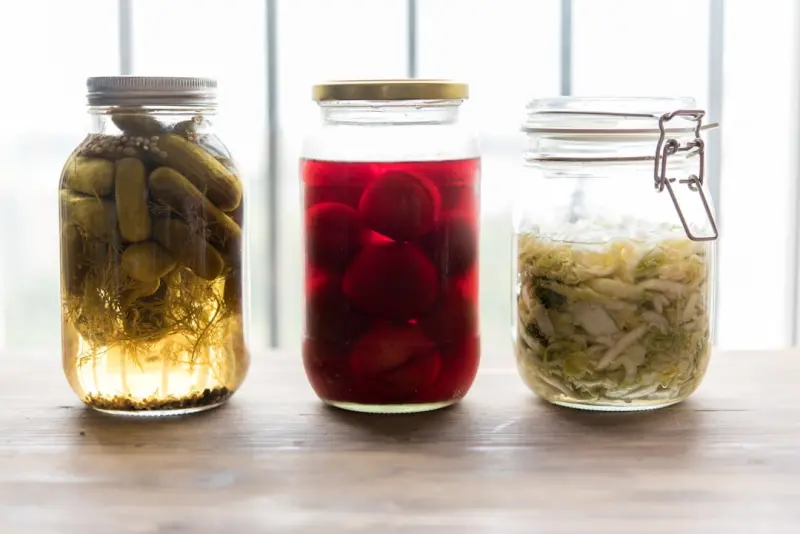
Why Fermented Foods Are the Secret Weapon Your Gut Has Been Waiting For
When I first heard the word “fermentation,” I pictured dusty barrels of wine or the occasional tangy kimchi tucked away in a Korean fridge. Fast forward a few years, and I’m still the guy who can’t walk past a sauerkraut jar without pausing for a sniff. The reason? My gut has become an unlikely source of competitive advantage—and it all started with a handful of humble, living foods.
In today’s hyper‑connected world, we’re constantly chasing the next productivity hack, the latest wearable, or the perfect morning routine. Yet, the most potent performance booster lives quietly inside us, humming along the length of our intestines. It’s not a new supplement, a fancy app, or a trendy “biohack.” It’s the ancient practice of fermentation, repackaged for the modern professional who wants more focus, better immunity, and a steadier mood without the crash.
Gut Health 101: The Ecosystem You Never Knew You Had
Your gastrointestinal tract is home to roughly trillions of microorganisms—bacteria, yeasts, and even viruses—that form a bustling metropolis known as the gut microbiome. These microbes perform tasks that rival any outsourced service:
- Digesting complex carbs that your enzymes can’t break down, turning them into short‑chain fatty acids that fuel your colon cells.
- Modulating the immune system, teaching it to differentiate friend from foe and reducing chronic inflammation.
- Producing neurotransmitters like serotonin, dopamine, and GABA, which directly influence mood, cognition, and stress resilience.
- Regulating metabolism, affecting everything from blood sugar spikes to fat storage.
When this internal city runs smoothly, you feel energized, focused, and resilient. When it’s out of balance—what scientists call dysbiosis—you might notice brain fog, sluggish digestion, heightened anxiety, or frequent colds.
Fermentation: Nature’s Probiotic Factory
Fermented foods are essentially pre‑packed probiotics. The process of fermenting sugars with beneficial bacteria or yeast creates live cultures that survive the journey to your gut. Unlike many commercial probiotic capsules that may lose potency before they reach the intestine, the microbes in a well‑made sauerkraut, kimchi, kefir, or kombucha arrive alive and ready to colonize.
But the benefits go beyond merely adding microbes. Fermentation also:
- Increases nutrient bioavailability—for example, fermented soy (tempeh) makes iron and zinc easier to absorb.
- Reduces anti‑nutrients like phytic acid, which can inhibit mineral absorption.
- Produces bioactive compounds such as vitamins B12, K2, and various organic acids that support gut lining integrity.
From Desk to Dinner Plate: Integrating Ferments Into a Busy Schedule
Let’s face it: the average professional has less time than a hamster on a wheel. Here’s a pragmatic, three‑step plan that lets you reap the gut‑boosting rewards without overhauling your entire culinary repertoire.
1. Start Small, Stay Consistent
Pick one fermented staple you genuinely enjoy. It could be a laughter‑inducing spoonful of kimchi on your lunch bowl or a quick pour of kefir into your morning smoothie. Aim for one serving per day (about 2‑4 tablespoons of sauerkraut or a half‑cup of kefir). Consistency beats volume when you’re establishing a new microbial colony.
2. Pair Ferments With Prebiotic Powerhouses
Prebiotics are the “food” for your probiotics. Think of them as the fertilizer that helps your beneficial bacteria flourish. Fiber‑rich foods like Jerusalem artichokes, chicory root, garlic, onions, and even bananas are excellent companions. A simple combo: a bowl of Greek yogurt topped with sliced banana and a drizzle of honey, followed by a side of fermented pickles.
3. Use Fermentation as a Stress‑Buffering Ritual
Preparing your own fermented foods can be a meditative practice—a low‑stakes “micro‑movement” for your nervous system. The act of measuring salt, submerging cabbage, and waiting for the bubbles to form demands patience and presence, qualities that counteract the frantic tempo of corporate life.
The Science Behind the Hype: What the Latest Research Shows
While anecdotes abound, the data backing fermented foods is compelling:
- Improved Mood: A 2022 double‑blind study published in Psychiatry Research found participants who consumed a daily serving of kefir reported a 30% reduction in depressive symptoms compared to a placebo group.
- Enhanced Immune Function: Research from the University of Helsinki demonstrated that regular intake of fermented dairy boosted natural killer cell activity, leading to fewer sick days among office workers.
- Better Glycemic Control: A meta‑analysis of 15 trials showed that fermented soy products lowered post‑prandial blood glucose spikes by an average of 12 mg/dL.
These findings reinforce what our ancestors intuitively understood: a happy gut translates to a healthier, more productive self.
Addressing Common Misconceptions
Before you rush to the nearest health store, let’s debunk a few myths that often deter newcomers.
Myth #1: Fermented Foods Are Too Strong‑Flavored for Everyone
Yes, some ferments carry a punch—think sauerkraut’s briny bite or kombucha’s tangy fizz. However, there’s a spectrum. Mild options like plain yogurt, kefir, or lightly fermented pickles can ease you in. You can also dilute strong flavors by mixing them into dishes you already love.
Myth #2: Fermentation Is Only for Foodies
You don’t need a culinary degree or a fermentation crock to get started. Store‑bought, raw, unpasteurized versions retain live cultures. Look for labels that mention “live & active cultures” and avoid items that have been heat‑treated after fermentation.
Myth #3: Fermented Foods Can Replace Medical Treatment
Never. Fermentation is a supportive tool, not a cure‑all. If you have chronic gastrointestinal conditions, autoimmune disorders, or are immunocompromised, consult a healthcare professional before making significant changes.
Practical Recipes to Get Your Gut Going
Below are three quick, office‑friendly recipes that showcase the versatility of ferments. Each recipe is designed to be prep‑once, eat‑all‑week and can be modified to suit dietary preferences.
1. Morning Power Bowl
- ½ cup plain kefir
- ¼ cup rolled oats
- 1 tablespoon chia seeds
- ½ sliced banana (prebiotic)
- 1‑2 teaspoons raw honey
- Optional: a sprinkle of cinnamon
Mix everything in a mason jar the night before. In the morning, give it a quick stir and enjoy a gut‑friendly breakfast that fuels focus for the first half of the day.
2. Lunch‑Box Kimchi Quinoa Salad
- 1 cup cooked quinoa (cooled)
- ¼ cup chopped kimchi
- ½ cup shredded carrots
- 1 tablespoon toasted sesame seeds
- 2 tsp sesame oil
- 1 tsp soy sauce or tamari
Combine all ingredients in a reusable container. The probiotic kick from kimchi pairs perfectly with the prebiotic fiber in quinoa and carrots, creating a balanced gut‑boosting lunch.
3. Evening Digestive Sip
- 8 oz kombucha (unflavored or lightly flavored)
- A pinch of freshly grated ginger
- 1 tsp raw honey (optional)
Stir the ginger into the kombucha and sip slowly after dinner. The gentle carbonation, combined with live cultures, can help ease digestion and promote a restful night.
Tracking Your Progress: The Biofeedback Loop
One of the greatest advantages of modern health tech is the ability to track how diet impacts physiological markers. Here’s a simple feedback loop you can adopt:
- Baseline Assessment: Use a wearable or a gut‑health questionnaire to note current energy levels, sleep quality, and occasional digestive symptoms.
- Introduce Ferments: Add your chosen fermented food(s) for at least two weeks, maintaining a short daily journal.
- Measure Change: Re‑evaluate the same metrics. Look for trends like improved morning alertness, fewer mid‑day crashes, or a calmer stomach after meals.
- Iterate: Adjust the type or amount of ferment based on what you notice. Maybe you need a bit more kimchi for spice, or kefir for a smoother probiotic dose.
This iterative approach mirrors the very principle of a healthy microbiome—continuous adaptation and balance.
The Bigger Picture: Fermentation and Sustainability
Beyond personal health, fermentation offers an environmental win. Fermented foods often require less energy to produce than heavily processed alternatives, and many involve low‑waste processes (think reusing brine from pickles for future batches). By choosing fermented options, you’re not only feeding your gut but also supporting a more sustainable food system.
Final Thoughts: Turn Fermentation From a Curiosity Into a Core Habit
In the rush of meetings, inboxes, and endless notifications, it’s tempting to look for quick fixes. But the most lasting upgrades come from the quiet, invisible ecosystems inside us. Fermented foods are a low‑effort, high‑reward strategy that aligns with the modern professional’s desire for tangible results without sacrificing flavor or convenience.
So the next time you spot a jar of sauerkraut or a bottle of kefir on the shelf, consider it a strategic investment—one that fuels focus, steadies mood, and strengthens immunity, all while you power through that quarterly report.
Give your gut the allies it deserves, and watch how that internal harmony ripples outward, making you sharper, calmer, and ready for whatever the day throws your way.

Jimmy Anand is a content creator that gets inspired by many aspects of life, internet or whatever inspires him at that moment. When he's not online he's gaming and when he is not gaming he is online trolling discussion boards.
Related Posts

The Wild Prescription: How Forest Bathing Boosts Modern Health
Forest bathing, rooted in Japanese shinrin‑yoku, offers measurable health benefits—from reduced ... Read More

Micro‑Movement Magic: Tiny Workday Exercises That Transform Health
Micro‑movement introduces quick, purposeful exercises into the workday, counteracting the harmful ... Read More

The Breath Reset: How Intentional Breathing Can Rewire Your Immune System
Intentional breathwork, especially slow exhalations, activates the parasympathetic system, reducing ... Read More
Top Posts

Garden Desks: The Home & Garden Trend Redefining Work and Wellness in 2026
Explore the rise of garden desks in 2026—how outdoor workspaces boost creativity, wellness, and professional edge, with design tips and sustainability insight...Read More

AI‑Powered Habit Loops: How Quiet Algorithms Shape Our Daily Choices
Explore how AI quietly redefines habit loops, offering personalized nudges that boost focus, health, and productivity while keeping privacy front‑and‑center...Read More

Ask First: How Reverse Interviews Flip the Hiring Power Balance
Learn why turning the interview on its head with strategic questions helps you assess company culture, showcase expertise, and make smarter career decisions....Read More

Turning Lateral Moves into Career Accelerators: The Power of Internal Mobility
Learn why moving sideways inside your company can be the fastest route to skill diversification, stronger networks, and long‑term career acceleration....Read More
0 Comments
Post Comment
You will need to Login or Register to comment on this post!