

Quiet Renovations: Turning Overlooked Home Corners into Calm Havens
When most people think about home improvement, the mind jumps straight to the kitchen remodel, the bathroom upgrade, or the living‑room makeover. Those are the glossy, Instagram‑ready projects that get the most applause. But the true secret to a sanctuary‑level home often lies in the spaces you barely notice: the laundry room, the pantry, the narrow hallway by the coat rack. These micro‑environments can either drain your energy or replenish it, depending on how you treat them.
As someone who’s spent more time tinkering with home‑automation scripts than polishing countertops, I’ve learned that the biggest wins don’t always require a budget‑busting contractor. Sometimes, all it takes is a shift in mindset and a handful of intentional tweaks. Below, I’ll walk you through a series of low‑cost, high‑impact strategies that transform those neglected corners into quiet havens—places where you can reset, refocus, and actually enjoy the act of being at home.
1. The Laundry Room: From Chore Chamber to Calm Command Center
Let’s start with the room most of us try to avoid: the laundry room. It’s typically a cramped, fluorescent‑lit space filled with the constant hum of machines, stray socks, and the occasional detergent spill. Yet, with a few purposeful changes, you can morph it into a surprisingly soothing hub.
- Declutter the Front Line – The first step is to clear the countertop. Install a wall‑mounted drying rack that folds away when not in use. This frees up surface area for a small folding station, keeping the area neat and reducing visual chaos.
- Lighting Matters – Swap out harsh, flickering fluorescents for warm, dimmable LEDs. A color temperature around 2700‑3000 K mimics natural light at dusk, which your brain interprets as “relax.” Pair the main fixture with a small under‑cabinet strip that softly illuminates the floor when you’re pulling out a basket of clean sheets.
- Scent as a Reset Button – A subtle, clean scent can make the space feel less like a utility closet and more like a mini‑spa. I’ve placed a lavender‑infused diffuser on the top shelf; the aroma releases when the dryer finishes, cueing a mental “clean‑up complete” signal.
- Seating for a Pause – If space permits, add a narrow, waterproof stool. It encourages you to sit while you wait for the cycle to finish, turning an idle moment into a chance to read a page of a book or simply breathe.
- Sound Management – The clatter of machines can be surprisingly stressful. A simple solution: place a small, acoustic panel (or even a rolled towel) behind the dryer to dampen vibrations. The result is a gentler, more muted soundscape that won’t dominate the rest of your home.
By treating the laundry room as a adaptive zone rather than a throw‑away utility, you give yourself a dedicated space for micro‑breaks. Over time, those five‑minute pauses accumulate into measurable reductions in daily stress.
2. The Rotating Pantry: Freshness on Loop
If you’ve ever opened a pantry only to be greeted by stale crackers and wilted herbs, you know the frustration of a disorganized food storage system. A “rotating pantry” is a simple yet powerful concept: treat the pantry like a small library, where the newest items are placed at the back and the oldest items are front‑and‑center.
- Clear the Shelves – Remove everything, wipe down the shelves, and sort items into three piles: keep, donate, and discard. This initial purge is therapeutic; you’ll instantly see how much “food debt” you’ve been carrying.
- Label Everything – Use uniform, easy‑to‑read labels for each category (canned goods, grains, snacks). Include a “best‑by” date on each label and a small arrow indicating “first in, first out.”
- Invest in Stackable Bins – Clear, stackable bins allow you to see contents at a glance and protect items from moisture. Place the bins so that the oldest stock is at eye level, encouraging you to use it before newer purchases.
- Introduce a “Freshness Calendar” – Hang a small magnetic board near the pantry door. Each week, move a magnet to a new spot, reminding you to rotate at least one shelf. It turns pantry upkeep into a simple, visual habit.
The rotating pantry does more than just keep food fresh; it reduces waste, saves money, and eliminates the mental load of wondering “Did I already use the last can of tomatoes?” It’s a low‑tech, high‑reward upgrade that can be completed in an afternoon.
3. The Hallway Gallery: A Corridor of Calm
Hallways are often dismissed as mere passageways, but they can serve as a subtle mood‑setting canvas. Think of your hallway as an “introductory act” to each room you enter. A few carefully curated elements can make that transition feel intentional and soothing.
- Soft Lighting – Replace the standard overhead bulb with a dimmable LED strip that runs along the baseboard. A low‑level glow creates a gentle ambience that eases the eye.
- Artful Minimalism – Instead of crowding the walls with a dozen frames, choose two or three pieces that share a muted color palette. A single, large abstract print can anchor the space without overwhelming it.
- Texture Touchpoints – Add a narrow runner rug with a soft, natural fiber (like jute or bamboo). It introduces tactile comfort and subtly dampens footfall noise.
- Quiet Corners – If your hallway is wide enough, place a slim bench with a cushion. It becomes a spot to slip on shoes, pause, or even do a quick stretch.
These tiny gestures turn an otherwise bland stretch of floor into a quiet prelude, setting the tone for the rooms beyond.
4. Window‑Sill Micro‑Garden: Air, Color, and Calm
Plants are the original air purifiers, and a micro‑garden on a sunny windowsill can be a game‑changer for both air quality and mental clarity. You don’t need a sprawling indoor jungle; a few strategically chosen herbs and succulents are enough.
- Choose Low‑Maintenance Varieties – Lavender, rosemary, and aloe vera thrive in bright, indirect light and require minimal watering. Their subtle aromas also contribute to a calming atmosphere.
- Use Stackable Trays – Maximize vertical space with tiered trays, allowing you to grow several species without crowding the sill.
- Incorporate a Small Water Feature – A miniature ceramic fountain adds a gentle bubbling sound, which research shows can lower stress hormones. Place it at the back of the tray for a balanced visual and auditory effect.
Beyond aesthetics, a micro‑garden serves a practical purpose: fresh herbs for cooking, a natural humidifier, and a living reminder to pause and breathe.
5. Digital Hygiene in the Living Room: Unplug to Recharge
Most living rooms double as home offices and entertainment hubs, which means screens are often omnipresent. While technology is essential, constant visual noise can erode the very calm you’re trying to cultivate. A digital‑hygiene routine can reclaim that space for relaxation.
- Establish a “Screen‑Free Zone” Hour – Designate at least one hour each evening when all devices are turned off or placed out of sight. Use this time for reading, gentle stretching, or simply sitting in silence.
- Curate the TV Landscape – Replace the default “always‑on” mode with a neutral backdrop, such as a calming nature wallpaper or a simple, dark screen. This removes the subconscious lure of background noise.
- Wire Management – Hide power strips and cables inside a decorative basket or a custom-built media console. A clean visual field reduces the “clutter anxiety” many feel when entering the room.
By establishing these boundaries, you give your living room the breathing room it deserves, allowing it to function as a genuine sanctuary rather than a perpetual work‑in‑progress.
6. The Nightstand Upgrade: A Personal Wake‑Up Ritual
Even the simplest piece of furniture can become a catalyst for better habits. The nightstand, often reduced to a lamp and a phone, can be reimagined as a “wake‑up ritual hub.” Here’s how:
- Replace the Phone Alarm – Use a sunrise alarm clock that gradually brightens the room, mimicking natural sunrise. This eases the transition from sleep to wakefulness.
- Introduce a Small Water Bottle – Keep a glass of water on the nightstand. Hydrating first thing can boost metabolism and improve focus.
- Set a “One‑Minute Journal” – Keep a slim notebook and pen for a quick gratitude jot. This short practice primes the brain for positivity throughout the day.
These micro‑adjustments create a smoother start to the day, setting a calm tone that reverberates through the rest of your schedule.
7. The Power of Consistency: Making Calm a Habit
All of the above tips share a common denominator: they’re most effective when practiced consistently. A single weekend makeover can spark enthusiasm, but habit formation is the true engine of lasting calm. To embed these changes into your routine, consider the following framework:
- Pick One Corner per Week – Focus on a specific area (laundry room, pantry, hallway) and implement the suggested tweaks. This keeps the workload manageable.
- Set a Weekly Review – At the end of each week, spend five minutes reflecting on how the new setup feels. Note any friction points and adjust accordingly.
- Celebrate Small Wins – Treat yourself to a favorite tea or a short walk after completing each upgrade. Positive reinforcement solidifies the habit loop.
When you treat your home as a collection of intentional micro‑environments, you’ll find that the overall sense of calm isn’t just the sum of its parts—it’s a multiplier effect that elevates every aspect of daily life.
In the end, the most powerful home transformations aren’t about square footage or designer budgets. They’re about the quiet decisions you make each day to honor the spaces you live in. By giving attention to the overlooked corners, you not only increase your home’s functionality but also create pockets of peace that sustain you long after the lights go out.

Shawn DesRochers is a certified Microsoft technician and Programmer with 30+ year's experience. He has written many reviews on computer related products, software, and SEO related topics. When he's not writing reviews he can be found at one of the Oldest Directories Online Blogging Fusion Business Directory which he is the CEO of.
Related Posts

Breathe Easy at Home: DIY Natural Air Purifiers That Transform Your Space
Learn how to create natural, budget‑friendly air purifiers using houseplants and fabric filters, w... Read More
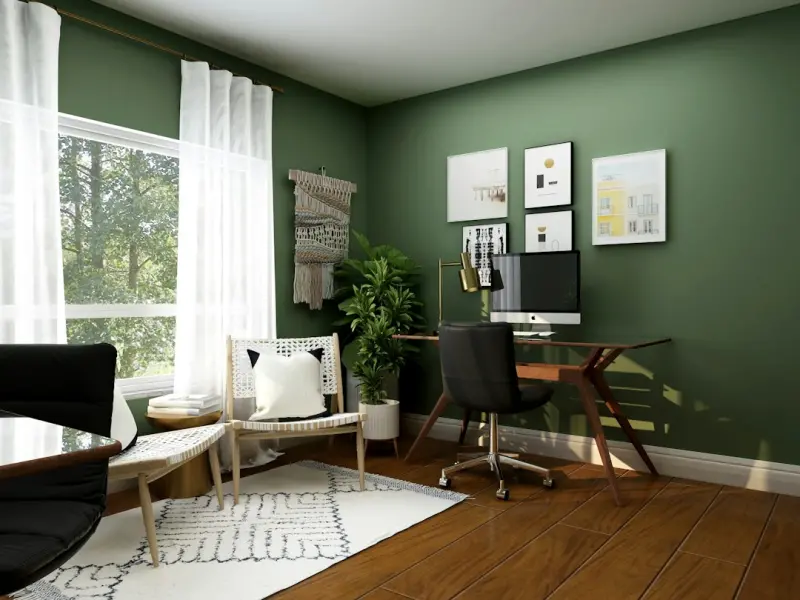
Transform Your Home Office into a Productivity Powerhouse
Discover a step‑by‑step guide to revamp your home office, from ergonomic essentials and lighting... Read More
Create a Sonic Sanctuary at Home with Simple Tweaks
Learn how to transform each area of your home—living room, office, bedroom, kitchen, and bathroomâ... Read More
Top Posts

Cultivating Year‑Round Aromas: How to Build an At‑Home Scent Garden
Discover how to design an aromatic garden that delivers fresh, natural perfume all year, using herbs, flowers, and clever lighting for a soothing home environme...Read More

Designing a Backyard Outdoor Kitchen: From Concept to Culinary Haven
Discover how to plan, build, and sustain a stunning backyard outdoor kitchen that blends functionality, style, and sustainability for unforgettable al‑fresco ...Read More

Beyond Clean: How Multi‑Sensory Routines Elevate Everyday Personal Care
A practical guide to turning ordinary personal care moments into multi‑sensory rituals that improve skin health, mental clarity, and overall performance....Read More

DIY Acoustic Hacks for a Quieter Home
Discover practical, budget‑friendly acoustic hacks—from rugs and DIY panels to smart devices—that transform a noisy home into a tranquil, focused sanctuar...Read More
0 Comments
Post Comment
You will need to Login or Register to comment on this post!