
Why an Aromatic Garden Is the Secret Weapon for Home Comfort
Imagine stepping onto your porch and being greeted by the gentle perfume of lavender, rosemary, and citrus mingling with the fresh air – a natural invitation to unwind without ever reaching for a scented candle. Aromatic gardens turn ordinary outdoor or indoor spaces into living, breathing scent studios that not only please the nose but also boost mood, reduce stress, and even improve sleep quality. By curating plants that release fragrance at different times of day and across seasons, you create a dynamic olfactory backdrop that adapts to your lifestyle, turning routine moments like cooking dinner or reading a book into sensory rituals that feel both luxurious and effortless.
Selecting the Perfect Scent‑Producing Plants
The foundation of any successful aromatic garden is a thoughtful plant palette that delivers fragrance year‑round, whether you’re planting in a sunny balcony, a shady patio, or a bright windowsill. Evergreen herbs such as rosemary, thyme, and sage provide a constant green backdrop and release their herbaceous aroma when brushed or brushed by the wind. For winter interest, consider winter‑blooming jasmine, winter heath, or scented winter honeysuckle, which push scent into the colder months when most gardens go silent. If you prefer a sweeter, floral note, opt for gardenias, sweet peas, or lavender – each of which thrives in well‑drained soil and offers a distinct aromatic profile. Pair these choices with air‑purifying friends like snake plant or spider plant, and you’ll double‑dip on benefits; you can learn more about air‑purifying strategies in Breathe Easy: Transform Your Home Into an Air‑Purifying Sanctuary.
Layering Fragrance Zones for Maximum Impact
Just as a chef layers flavors in a dish, a garden designer should layer scents spatially to create a journey from subtle to bold as you move through the space. Begin with low‑lying groundcovers like creeping thyme or sweet alyssum that release fragrance when you walk over them, then rise to mid‑height shrubs such as lavender and rosemary that scent the air at eye level. Finally, top the composition with hanging baskets of scented geraniums or fragrant vines like star jasmine that perfume the space from above. This vertical stratification ensures that every step you take triggers a new olfactory cue, keeping the experience fresh and engaging. For inspiration on using vertical space efficiently, check out From Drab to Fab: Transform Your Balcony into a Lush Vertical Garden, which demonstrates how trellises and wall planters can turn limited square footage into a scent‑rich tapestry.
Choosing Soil, Containers, and Placement
Even the most fragrant plants will underperform if they’re rooted in the wrong medium or placed where they can’t thrive. Opt for a well‑draining, loamy soil blend enriched with organic compost to keep roots aerated and moisture‑balanced; aromatic herbs dislike soggy conditions and will quickly lose potency in water‑logged soil. When space is at a premium, select containers with adequate drainage holes and consider self‑watering pots that release moisture slowly, allowing plants to stay hydrated without the risk of root rot. Placement matters, too – most scent‑producing plants need full sun to develop essential oils, so aim for a south‑facing window, balcony, or patio that receives at least six hours of direct light daily. In shaded corners, choose cool‑weather aromatics like sweet woodruff or winter jasmine, which release fragrance even in lower light levels.
Seasonal Planting Calendar for Continuous Aroma
To keep the garden fragrant from spring through winter, map out a planting calendar that staggers bloom times and foliage release. Start in early spring with fast‑growing annuals such as sweet peas and scented petunias, which add a burst of perfume as they climb trellises. Mid‑summer is the perfect window for planting lavender, rosemary, and sage, whose oils intensify with heat and sunshine. As fall approaches, introduce autumn‑blooming sweet osmanthus and scented asters, which maintain fragrance as temperatures dip. Finally, in late fall, plant winter‑hardy varieties like winter jasmine and scented hellebores, ensuring that even on the coldest days a faint perfume lingers in the air. By rotating these species and replanting as needed, you avoid scent gaps and create a seamless aromatic experience throughout the year.
Lighting the Garden for Night‑Time Fragrance
Fragrance isn’t limited to daylight; many scented plants release stronger aromas after sundown when the temperature drops and humidity rises. To amplify this effect, incorporate subtle, warm‑tone lighting that highlights aromatic foliage without overwhelming the senses. Soft LED string lights draped along a pergola, solar‑powered spotlights aimed at lavender spikes, or low‑profile uplights behind scented shrubs can draw attention to the plants and encourage breezes that carry their scent into the evening. For a magical touch, add a few scented candles or oil diffusers near seating areas, letting the garden’s natural perfume mingle with curated notes of vanilla or sandalwood for a layered nighttime ambiance.
DIY Scent Diffusers Using Garden Harvest
One of the most rewarding aspects of an aromatic garden is the ability to harvest fresh fragrance for indoor use, turning your garden into a portable perfume laboratory. Gather sprigs of rosemary, lavender buds, or citrus peels and place them in a glass jar with a carrier oil such as jojoba; let the mixture steep for a week, then strain and use as a natural room spray or massage oil. Another simple method is to create a potpourri blend by drying herbs and flowers, then adding a few drops of essential oil to refresh the scent as it ages. These DIY projects not only extend the garden’s influence indoors but also reduce reliance on synthetic fragrances, aligning your home’s scent profile with the pure, plant‑based aromas you love.
Maintenance Tips to Preserve Scent Strength
Keeping an aromatic garden vibrant requires regular pruning, feeding, and pest management, all of which directly affect the potency of the plant’s essential oils. Trim herbs just before they flower to encourage bushier growth and more leaf surface area, which translates to stronger scent emission. Apply a balanced, slow‑release fertilizer in early spring and again in midsummer to provide the nutrients necessary for robust oil production. Watch for aphids, spider mites, and fungal diseases; an infestation can stress plants, diminishing their fragrance output. Finally, water wisely – deep, infrequent watering encourages deeper root systems, which help plants store the energy needed to synthesize aromatic compounds.
Reaping the Rewards of a Year‑Round Aromatic Garden
When you invest time in designing an aromatic garden, the payoff extends far beyond pleasant smells; you cultivate a living wellness space that supports mental clarity, invites relaxation, and even enhances culinary experiences by providing fresh herbs at your fingertips. The combination of thoughtful plant selection, strategic layering, and seasonal planning ensures that every corner of your home—whether it’s a sun‑drenched balcony, a cozy indoor nook, or a twilight‑lit patio—offers a unique scent journey that evolves with the seasons. Start small, experiment with your favorite fragrances, and watch as your garden transforms ordinary moments into sensory celebrations that keep you grounded, refreshed, and constantly inspired.

Jimmy Damon loves to right on a large scale of topics with all things Canadian as this Montreal die hard loves hockey. fishing and sports.
Related Posts
Garden Desk Revolution: How My Outdoor Workspace Became 2024’s Hottest Home & Garden Trend
Jimmy Damon shares his journey turning a backyard into a thriving office, revealing design secrets, ... Read More
Pocket-Scale Outdoor Retreats: Designing Mini Gardens for Busy Lives
A practical guide to turning even the tiniest outdoor corners into tranquil retreats, blending style... Read More
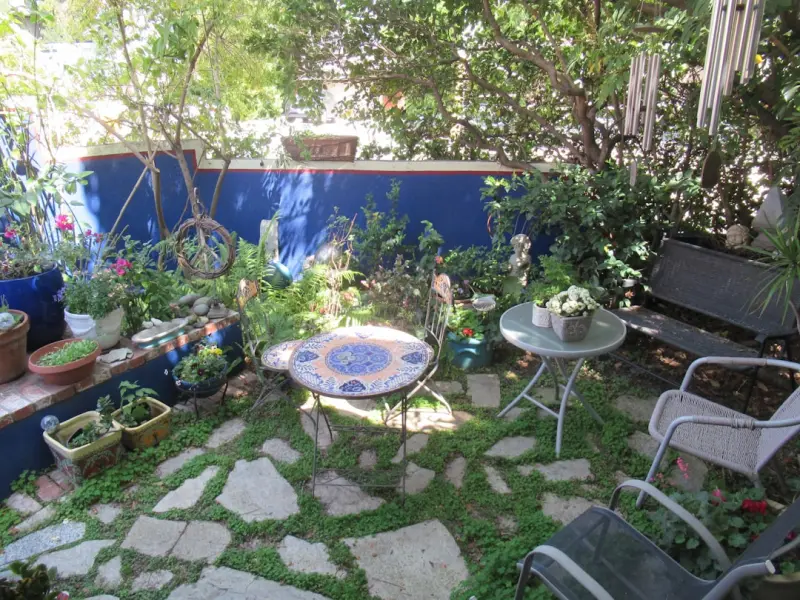
Transforming Small Spaces with Upcycled Garden Furniture
Learn step‑by‑step how to create a vibrant indoor garden in a compact home by upcycling pallets,... Read More
Top Posts

Beyond the Résumé: Crafting a Living Career Portfolio
Transform your job search with a living career portfolio that highlights real projects, measurable results, and transferable skills—turning passive résumés ...Read More

Turning AI into Your Personal Growth Ally
Learn how to turn AI into a personal growth ally by building feedback loops, protecting your data identity, and measuring impact on clarity, confidence, and con...Read More
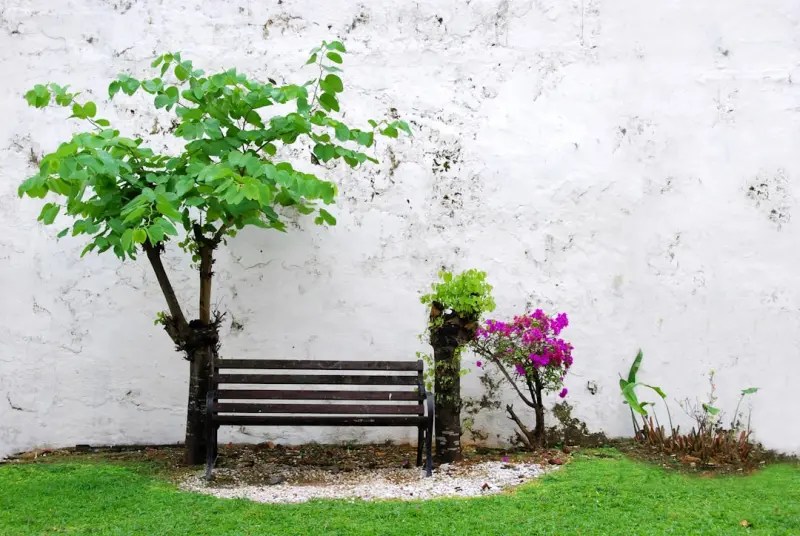
Minimalist Garden Mastery: Transform Small Spaces into Serene Sanctuaries
Learn to create a serene, low‑maintenance garden in limited space by embracing minimalist principles, thoughtful plant selection, and strategic design tricks....Read More

Finding Mental Space: Strategies to Thrive in a Hyper‑Connected World
Learn how to set intentional boundaries, declutter digital tools, and use mindful practices to safeguard mental wellbeing in today’s hyper‑connected work en...Read More
0 Comments
Post Comment
You will need to Login or Register to comment on this post!