

Turning Your Home Into a Sound Sanctuary: DIY Acoustic Hacks That Actually Work
When I first moved into my downtown loft, the city never slept. The clatter of traffic, the distant wail of sirens, the occasional neighbor’s late‑night karaoke session – all of it blended into an uninvited soundtrack that made focus feel like a fantasy. I tried everything from noise‑cancelling headphones to double‑pane windows, but the real solution turned out to be a series of low‑cost, high‑impact tweaks that turned my noisy nest into a calm, productive haven. Below is the playbook I live by, packed with practical tips you can implement this weekend without hiring a contractor.
Why Acoustic Comfort Matters (Even If You’re Not an Audiophile)
Sound is an invisible force that can either energize or drain you. A room that reverberates can amplify distractions, raise stress hormones, and sabotage concentration. Conversely, a well‑damped space promotes mental clarity, better sleep, and even improves conversation quality. Think of acoustic comfort as the soft lighting of sound – it shapes the atmosphere just as much as a lamp or a rug.
Step 1: Diagnose the Problem with a Simple “Clap Test”
Before you buy any product, you need to know where the echo lives. Stand in the centre of the room, clap once, and listen. If the sound bounces back for more than a second, you’ve got a reflective space. Next, move to each corner and repeat. Note the spots where the echo lingers longest; those are your acoustic hot zones.
For a quick visual cue, grab a piece of lightweight foam or a folded towel and press it against walls, ceilings, and floors. If the echo drops noticeably, you’ve found a surface that can benefit from added absorption.
Step 2: Start with the Low‑Hanging Fruit – Soft Furnishings
- Rugs and Carpets: Hard floors are the biggest culprits for sound reflection. Lay a thick wool rug (or a few layered runners) in high‑traffic areas. A ¼‑inch pile can cut reverberation by up to 30%.
- Curtains: Heavy, floor‑length curtains double as privacy screens and acoustic dampeners. Opt for fabrics with a tight weave – linen or blackout curtains work wonders.
- Upholstered Furniture: Swap out a sleek leather chair for a plush armchair or add a soft throw blanket to existing pieces. The more fabric, the better the absorption.
If you’re wondering how to keep the aesthetic sleek, choose neutral tones that blend with your décor. The goal is to feel the change, not just see it.
Step 3: DIY Acoustic Panels – The Budget‑Friendly Alternative to Commercial Products
Commercial acoustic panels can cost a small fortune, but you can create your own with everyday items. Here’s a step‑by‑step recipe:
- Materials: 1‑inch thick mineral wool or recycled denim insulation, fabric of your choice (cotton, linen, or a subtle patterned textile), a wooden frame (1×2 inch strips), and a staple gun.
- Cut the Insulation to the size of your desired panel (a common size is 24×12 inches).
- Wrap the Insulation tightly in the fabric, pulling it taut to avoid sagging.
- Secure the fabric‑wrapped insulation to the wooden frame using the staple gun.
- Mount the panel on the wall using picture‑hanging hardware or command strips.
These panels not only look like modern art but also absorb up to 70% of mid‑range frequencies. For added visual flair, coordinate the fabric with your existing colour palette or go bold with a contrasting hue.
Step 4: Embrace the Power of Soft Surfaces on the Ceiling
Most homeowners focus on walls and floors, overlooking the ceiling – the “third wall” that can bounce sound straight back into the room. If you have a high ceiling, consider installing acoustic clouds or hanging fabric panels. Even a simple fabric canopy made from a large sheet of breathable material can dramatically lower echo.
Here’s a quick hack: stretch a thin canvas or decorative fabric across a wooden frame that matches the width of your room, then suspend it a few feet from the ceiling using invisible fishing line. The result is a floating acoustic cloud that looks intentional and feels soothing.
Step 5: Use Bookshelves and Soft Décor as “Acoustic Bumpers”
Full‑height bookshelves filled with books act as irregular surfaces that scatter sound rather than reflect it. If you’re a bibliophile, you’re already halfway there. For those with fewer books, fill the shelves with a mix of decorative objects, woven baskets, and plants.
Plants serve a dual purpose – they improve air quality and break up sound waves. Choose larger leafed varieties like monsteras or fiddle‑leaf figs, and place them strategically near reflective surfaces.
Step 6: Smart Home Devices That Double as Sound Managers
While most of us think of smart devices for lighting or temperature, a few gadgets can help you monitor and control acoustic comfort. smart home devices like voice‑controlled speakers can double as white‑noise generators. Set them to play gentle rain, forest ambience, or a low‑frequency hum that masks intrusive noises without being distracting.
Some newer soundbars even feature built‑in room‑calibration microphones that analyze echo patterns and adjust output accordingly. If you already own a home theatre system, explore the “room correction” or “auto‑EQ” settings – they’re designed for acoustic optimisation, not just movie sound.
Step 7: Seal the Gaps – The Unsung Heroes of Noise Reduction
Small cracks around windows, doors, and baseboards can let in a surprising amount of street noise. Use weatherstripping, door sweeps, and acoustic caulk to seal these openings. The effort is minimal, but the payoff is a noticeable drop in external sound infiltration.
Step 8: The “Quiet Zone” Strategy for Multi‑Purpose Rooms
If your living room doubles as a home office, create a designated quiet zone. Use a folding screen or a portable room divider covered with acoustic foam to carve out a focused nook. This visual boundary signals to your brain that it’s time to switch modes, while the foam absorbs stray noise from the rest of the space.
Step 9: Combine Acoustic Tweaks With Lighting for a Holistic Atmosphere
Acoustic comfort shines brightest when paired with the right lighting. Soft, diffused illumination reduces visual stress and complements the calming effect of a quieter room. Consider adding a tiny entryway tweak like a dimmable LED strip behind a floating shelf – it creates a warm glow that encourages relaxation without competing with your acoustic upgrades.
Step 10: Test, Tweak, and Celebrate
After implementing these changes, repeat the clap test. You should notice a shorter reverberation time and a more muted ambience. If certain spots still echo, add an extra rug, a plush pillow, or an additional DIY panel. Acoustic optimisation is an iterative process – each tweak compounds the overall effect.
Bonus: Seasonal Acoustic Refreshes
Just as you rotate décor with the seasons, consider swapping out acoustic elements. In summer, lighter linen curtains let in fresh air while still dampening sound. In winter, heavier drapes add both insulation and acoustic absorption. Rotate your fabric‑wrapped panels with seasonal patterns for a fresh look without losing function.
Wrap‑Up: A Home That Listens to You
Sound isn’t something you can see, but you can feel its impact every day. By treating acoustic comfort as a core component of home design – alongside lighting, colour, and furniture – you create a space that genuinely supports your wellbeing. The best part? Most of these strategies cost less than a weekend coffee habit, and the results last for years.
So, next time you hear that distant siren or the neighbor’s late‑night playlist, you’ll smile knowing you’ve built a sanctuary that hears you first.

Dale Peterson is a freelance writer with a passion for technology, travel, law and personal finance. With 10 years of experience crafting compelling and informative content, he's dedicated to delivering high-quality writing for Blogging Fusion that engages audiences and achieves specific goals.
Related Posts

The Home Power Grid: Turning Every Room Into a Productivity Hub
Learn how to map energy zones, wire your space with smart tools, and design a flexible home power gr... Read More
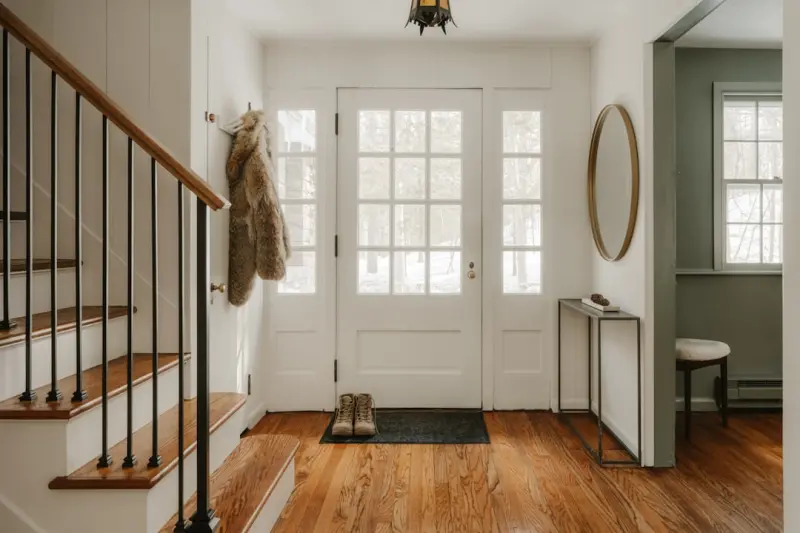
The Entryway Overhaul: Turning Your Front Door Space Into a Stress‑Busting Power Zone
A well‑designed entryway can lower stress and boost mood. Learn practical steps—decluttering, fu... Read More

Quiet Corners: Mastering Home Acoustics for Calm Living
Learn how to assess, reduce, and manage noise in every room with budget‑friendly fabrics, DIY acou... Read More
Top Posts

Designing a Backyard Sound Garden: Turn Your Outdoor Space into a Living Symphony
Turn your garden into a living concert hall with natural resonators, water whispers, and smart design—learn step‑by‑step how to build an outdoor sound san...Read More

Taste the World: How Cooking Global Recipes Turns Home Into a Travel Hub
Explore the art of turning your kitchen into a travel hub by cooking authentic dishes from around the world, preserving stories, and sharing flavors that bridge...Read More

Beyond Automation: How AI Becomes a Strategic Partner in Business Innovation
This article reimagines AI as a strategic partner that augments decision‑making, embeds ethical guardrails, fuels creative collaboration, and builds resilient...Read More

The Garden Desk Revolution: How Outdoor Workspaces Are Transforming Home Life
Explore the rise of garden desks and learn practical steps to create an outdoor workspace that blends productivity with nature, enriching home life and well‑b...Read More
0 Comments
Post Comment
You will need to Login or Register to comment on this post!