
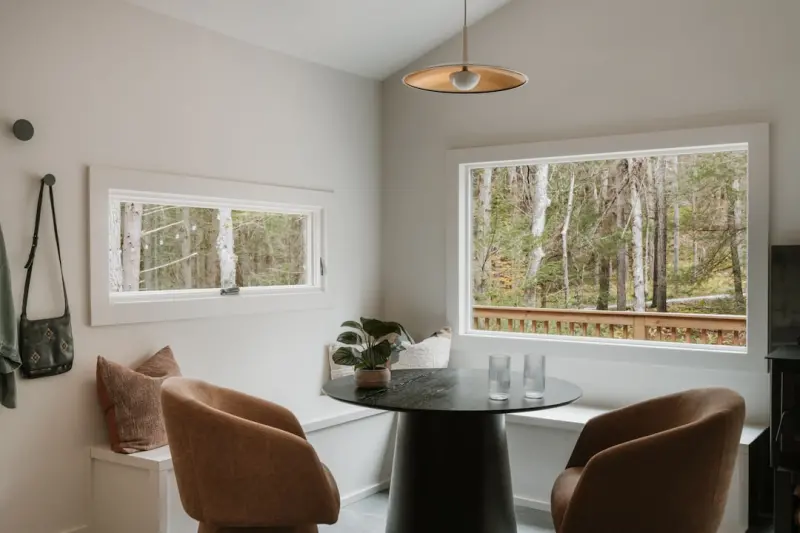
Why Noise Matters More Than You Think
Every time a car honks outside or the refrigerator hums a little too loudly, our nervous system takes a tiny hit, and those hits add up faster than most of us realize. Creating a truly restful home starts with recognizing that sound is a hidden stressor, often overlooked amid the visual clutter of décor. By treating noise as a design element, we can deliberately shape an environment that calms the mind before the day even begins.
Seal the Gaps: Windows, Doors, and Curtain Tricks
Most of us focus on aesthetics when picking curtains, but the right fabric can double as a sound barrier, especially when layered over insulated windows. Heavy, densely woven drapes—think linen‑cotton blends with a subtle backing—absorb mid‑range frequencies, muting traffic and street chatter without darkening the room. For a budget‑friendly upgrade, add weatherstripping to doors and seal window frames with clear silicone; the result is a quieter sanctuary that feels more insulated from the world outside.
Soft Floors, Softer Ears
Hard surfaces like tile and hardwood reflect sound, turning a simple footstep into an echo that reverberates through the house. Introducing plush area rugs, especially those with rubber backing, creates a gentle carpet of sound absorption that cushions each stride and reduces overall reverberation. If you love the look of bare floors, consider interlocking foam tiles in high‑traffic zones; they’re discreet, easy to replace, and dramatically lower the acoustic footprint of your living space.
Furniture Placement and DIY Acoustic Panels
Strategic furniture arrangement can transform a room’s acoustic profile without a single nail driven into the wall. A well‑placed bookshelf filled with books acts like a natural diffuser, breaking up sound waves and preventing them from bouncing straight across the room. For a more intentional approach, craft simple acoustic panels from reclaimed wood and fabric—mount them on the wall behind a TV or along a hallway to swallow stray noise, a tip echoed in flexible room layouts that balance function with tranquility.
Living Green: Plants That Quiet the Chaos
Beyond their air‑purifying qualities, certain indoor plants double as sound dampeners, especially those with broad, waxy leaves like rubber plants or peace lilies. Grouping three to five medium‑sized pots in a corner creates a verdant wall that not only softens echo but also adds a calming visual element. Pair these green allies with a modest water feature—just a small tabletop fountain—to mask residual background noise with a gentle, natural hum.
Lighting That Respects Your Rhythm
Bright, harsh lighting can overstimulate the brain, making it harder to unwind even after the day’s noise has faded. Opt for warm‑tinted LED bulbs set on dimmer switches, allowing you to lower illumination as evening approaches and signal to your body that it’s time to wind down. Layered lighting—ambient ceiling fixtures, task lamps, and soft bedside sconces—creates zones of calm, each tailored to the activity you’re undertaking without competing for auditory attention.
Scented Calm Without the Overload
While scented candles are popular, they can add to indoor pollutants; instead, try a simple simmer pot of water, cinnamon sticks, and orange peels on the stove for a natural, low‑maintenance aroma. A few drops of essential oil on a cotton ball placed in a vent diffuser releases a subtle fragrance that blends seamlessly with the room’s airflow, enhancing the sense of serenity without overwhelming the senses. This minimalist approach aligns with the principles of digital declutter, swapping sensory overload for gentle, intentional cues.
Daily Rituals to Maintain the Sanctuary
Even the best‑designed quiet space can slip back into chaos if you don’t nurture it with consistent habits. Set a “quiet hour” each evening where screens are off, soft music plays, and you engage in a calming activity like reading or gentle stretching. By treating these moments as non‑negotiable appointments, you reinforce the home’s role as a restorative hub, ensuring that the acoustic and sensory improvements you’ve invested in continue to serve you day after day.

When it comes to the world of blogging and writing, Rose DesRochers is a name that stands out. Her passion for creating quality content and connecting with her audience has made her a trusted voice in the industry. Aside from her skills as a writer and blogger, Rose is also known for her compassionate nature.
Related Posts

How to Refresh Your Home Every Season Without Breaking the Bank
Discover practical, low‑cost strategies to give your home a fresh look each season, from swapping ... Read More
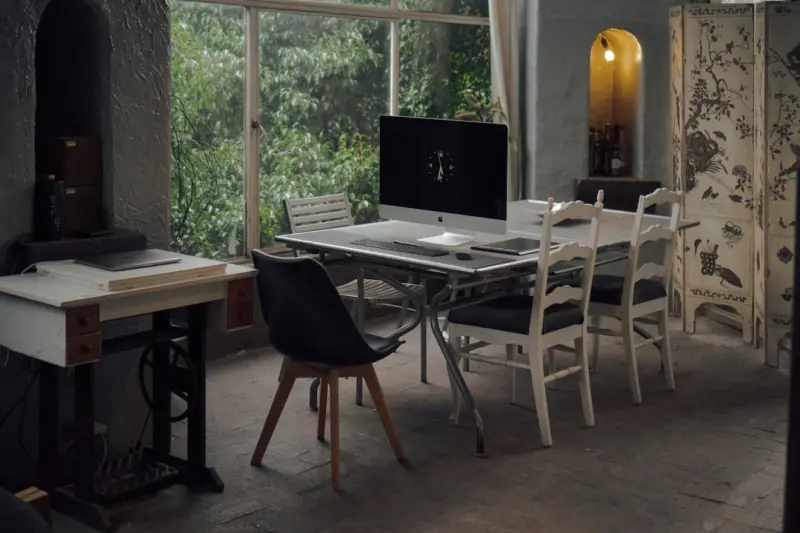
Upcycled‑Furniture Home Office: Turning Second‑Hand Finds Into a Productivity Hub
Discover a step‑by‑step plan to create a high‑performing home office using reclaimed furniture... Read More

Creative Ways to Make a Small Home Feel Spacious and Serene
Learn practical, low‑cost strategies—like scent layering, flexible zones, and DIY cleaning—to ... Read More
Top Posts

Elevate City Living with a Rooftop Herb Garden
Turn your under‑used rooftop into a fragrant herb haven. Learn practical steps, plant picks, and design tricks that bring fresh flavors and calm to urban life...Read More

Why Outdoor Workspaces Are the Next Big Thing for Employees
Explore the rise of garden desks and outdoor offices, the data behind their benefits, and how embracing nature at work can transform your career and well‑bein...Read More

Flavor Trails: Turning Every Meal Abroad into a Cultural Compass
Exploring travel through food offers a direct line to a culture’s history, community, and health. Learn why tasting local dishes can enhance empathy, spark cr...Read More

Laughter as Medicine: Boosting Heart Health and Mood
Explore the science behind laughter’s impact on heart health and stress reduction, and learn practical ways to weave genuine humor into a busy workday for las...Read More
0 Comments
Post Comment
You will need to Login or Register to comment on this post!