

Ever stare at a spreadsheet so long that your shoulders feel like they’re welded to the chair? You’re not alone. The modern office has become a battlefield where static posture, endless scrolling, and caffeine‑fueled marathons wage war on our bodies. Yet the solution isn’t a pricey standing‑desk or a marathon of yoga sessions—it’s something far simpler, far more discreet, and incredibly effective: micro‑movements.
What Are Micro‑Movements?
Micro‑movements are brief, intentional actions that take anywhere from five to thirty seconds. Think of them as the “microwaves” of exercise—small, fast, and capable of delivering a quick burst of health benefits without demanding a full‑blown workout. They can be performed right at your desk, in a hallway, or even during a brief coffee break. The key is consistency: a handful of seconds, several times an hour, adds up to a physiological shift that can counteract the sedentary toll of office life.
Why They Matter: The Science Behind Tiny Motions
Research in kinesiology and occupational health shows that even short bouts of movement can:
- Stimulate blood flow: Muscles contract, veins pump, and oxygen‑rich blood circulates more efficiently, reducing the risk of deep‑vein thrombosis.
- Activate the nervous system: Brief stretches trigger proprioceptive feedback, improving balance and coordination.
- Boost metabolism: Every muscle contraction burns calories; accumulated micro‑movements can offset the metabolic slowdown caused by prolonged sitting.
- Release endorphins: Even a quick stretch can trigger the brain’s reward pathways, lifting mood and sharpening focus.
In essence, micro‑movements are tiny, repeatable antidotes to the “sitting disease” that has silently crept into our work culture.
Getting Started: The 5‑Minute Desk Reset
Before you dive into a full repertoire, try this simple five‑minute routine. Set a timer for every hour (your phone or computer can handle this). When it goes off, follow these steps:
- Neck release: Tilt your head toward each shoulder, holding for 5 seconds per side. Follow with gentle chin‑to‑chest drops.
- Shoulder rolls: Roll both shoulders forward in a circular motion for 10 reps, then reverse.
- Seated cat‑cow: Sit tall, inhale and arch your back (cow), exhale and round your spine (cat). Repeat 8‑10 times.
- Wrist wiggle: Extend both arms, spread fingers wide, then make fists. Rotate wrists clockwise and counter‑clockwise.
- Leg lifts: While seated, straighten one leg, hold for 5 seconds, lower, and switch. Aim for 8 reps per leg.
These movements take less than a minute but reset circulation, relieve tension, and prime your body for the next block of focused work.
Beyond the Desk: Micro‑Movements for Remote Workers
Remote work has blurred the lines between office and living space, often encouraging a “home‑office” posture that is just as harmful. The advantage of micro‑movements is their flexibility. You can slip them into a video call, during a family dinner break, or while waiting for a download.
Try incorporating these subtle gestures:
- Standing calf raises: While waiting for the kettle to boil, rise onto your toes and lower. Do 15 reps.
- Doorframe stretch: Place your forearms on a doorway, step forward, and feel the chest open for 10 seconds.
- Desk push‑ups: Place hands on the edge of your desk, step back, and perform a set of 8–10 push‑ups.
The goal isn’t to exhaust yourself but to punctuate stillness with movement, keeping muscles engaged and the mind alert.
Micro‑Movement Variations Tailored to Common Ailments
Different bodies, different pain points. Below are micro‑movement combos aimed at three common office‑related complaints.
Lower Back Fatigue
1. Seated pelvic tilts: Sit tall, gently rock your pelvis forward and backward, feeling the lumbar spine glide. 10 reps.
2. Standing hip flexor stretch: Place one foot forward, bend the knee, and gently shift hips backward. Hold 15 seconds per side.
3. Desk‑side lumbar twist: Sit upright, place right hand on the back of the chair, turn torso right, hold 10 seconds, repeat left.
Neck and Shoulder Tension
1. Shoulder blade squeezes: Pinch shoulder blades together, hold 5 seconds, release. 12 reps.
2. Upper trapezius stretch: Grab the left side of your head with the left hand, gently pull toward the right shoulder. Hold 15 seconds, switch.
3. Doorframe chest opener: Same as above, but focus on expanding the chest and retracting shoulders.
Wrist and Hand Fatigue (especially for typists)
1. Fist‑to‑palm stretch: Make a fist, then spread fingers wide, stretching the palm. Repeat 10 times.
2. Wrist extensors stretch: Extend arm forward, palm down, gently pull fingers back with the opposite hand. Hold 10 seconds each side.
3. Finger lifts: Place hand flat, lift each finger individually, then the whole hand. 15 reps.
Integrating Micro‑Movements With Other Wellness Practices
Micro‑movements shine when they complement broader health habits. Pair them with the following proven strategies for a synergistic effect:
- Mindful breathing: After each micro‑movement set, take three slow, diaphragmatic breaths. This amplifies oxygen delivery and grounds your nervous system.
- Hydration reminders: Use water intake cues (e.g., a glass of water every hour) as triggers for a quick stretch.
- Digital breaks: Combine a screen‑free minute with a micro‑movement routine to protect both eyes and posture.
Speaking of digital breaks, many readers have asked about the role of short rest periods in overall productivity. A recent discussion highlighted the power of midday power naps as a brain‑reset. Pairing a 10‑minute nap with a pre‑nap micro‑movement stretch can deepen the restorative effect, ensuring you wake up both mentally sharp and physically refreshed.
Tracking Your Progress: The Tiny Wins Dashboard
One reason micro‑movements thrive is their measurability. You don’t need a high‑tech wearable; a simple spreadsheet or phone notes app works wonders.
- Log the time: Record each micro‑movement session (e.g., 09:15 – neck release, shoulder rolls).
- Rate discomfort: On a 1‑10 scale, note any lingering aches before and after the session.
- Reflect weekly: Summarize trends. Are lower back scores improving? Is neck tension decreasing?
Seeing tangible data reinforces habit formation and allows you to fine‑tune the routine to your specific needs.
Micro‑Movements in the Context of Overall Emotional Health
Physical micro‑movements do more than prevent musculoskeletal strain—they also influence emotional regulation. Small bursts of activity stimulate the parasympathetic nervous system, which in turn supports emotional hygiene. When you break a stressful cycle with a quick stretch, you create a pause that lets the brain reset, reducing cortisol spikes and enhancing mood stability.
Scaling Micro‑Movements for Teams
Organizations can embed micro‑movement culture into their wellness programs without hefty budgets:
- Movement minutes: Dedicate a 2‑minute slot at the start of each meeting for a guided stretch.
- Desk‑buddy challenges: Pair employees to remind each other of hourly movement breaks—turn it into a friendly competition.
- Visual cues: Place small stickers on monitors or keyboards as subtle prompts.
When a whole team adopts these practices, the collective benefit extends beyond individual health to improve collaboration, reduce sick days, and foster a culture of care.
Common Pitfalls and How to Avoid Them
Even the best intentions can falter. Here are three typical obstacles and solutions:
- “I’m too busy”: Start with a single 5‑second movement per hour. Once the habit feels automatic, add another.
- Forgetting the cue: Use recurring calendar events or desktop wallpaper reminders.
- Doing it wrong: Bad form can cause strain. Consider a quick tutorial video or a physiotherapy consult to master the basics.
Future Outlook: Micro‑Movement Technology?
While the core concept is low‑tech, innovators are already exploring ways to enhance micro‑movement adoption:
- Smart chairs: Sensors that detect prolonged static posture and vibrate gently to prompt a movement.
- AI‑driven reminders: Apps that analyze calendar density and suggest optimal micro‑movement windows.
- Gamified platforms: Earn points for each completed stretch, unlocking team-wide rewards.
These tools aim to make the habit invisible, letting the body do the work while technology quietly nudges you forward.
Final Thoughts: Tiny Actions, Massive Impact
Health isn’t always about monumental changes; it’s often the accumulation of minute decisions. Micro‑movements embody this philosophy—each five‑second stretch, each brief calf raise, each intentional neck tilt is a vote for a healthier, more vibrant you. By weaving these tiny actions into the fabric of your workday, you not only protect your spine, shoulders, and wrists but also nurture emotional resilience, boost productivity, and cultivate a workplace culture that values well‑being as much as output.
So the next time you feel the pull of the chair, remember: you have the power to move—just a few seconds, a few breaths, a few deliberate motions. Your body will thank you, and your mind will notice the difference. Let the micro‑movement revolution begin, one tiny motion at a time.

Jody Henderson is a passionate freelance writer, driven by a love for storytelling and a keen eye for detail. With a versatile skillset, she crafts compelling content across a variety of niches, from engaging blog posts to informative articles and persuasive marketing copy.
Related Posts

Seasonal Eating as a Wellness Strategy: Tuning Your Body to Nature’s Rhythms
Explore the science behind seasonal eating and learn simple, actionable steps to align your diet wit... Read More

Syncing Your Body Clock: A Knowledge Worker’s Guide to Circadian Health
Learn how to harness your natural circadian rhythm to enhance focus, sleep, and overall health, usin... Read More

Cold Exposure: A Simple Habit for Lasting Vitality
Explore the science and practical steps behind cold exposure, from 30‑second showers to weekly ice... Read More
Top Posts

Business Travel Reimagined: Turning Trips into Innovation Sprints
Learn how to redesign business travel into purposeful Innovation Sprints that deliver measurable outcomes, accelerate product development, and revitalize remote...Read More
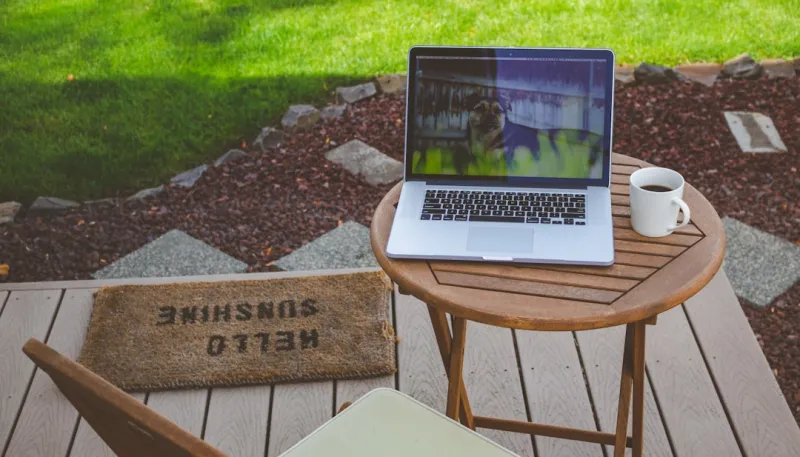
Garden Desks Are Redefining Employment in 2026
Garden desks are turning backyards into high‑performance offices, delivering mental‑health benefits, eco‑friendly credentials, and a fresh productivity su...Read More

Scent & Substance: Crafting a Home Garden That Feels Like You
Learn to turn reclaimed items, fragrant herbs, and simple DIY projects into a sensory-rich home garden that feels uniquely yours and invites calm, creativity, a...Read More

Edible Front Yard Revolution: Feeding Your Family While Beautifying Your Curb
A fresh take on curb appeal, this guide shows how to blend ornamental design with edible plants, offering practical tips on plant selection, smart irrigation, c...Read More
0 Comments
Post Comment
You will need to Login or Register to comment on this post!