
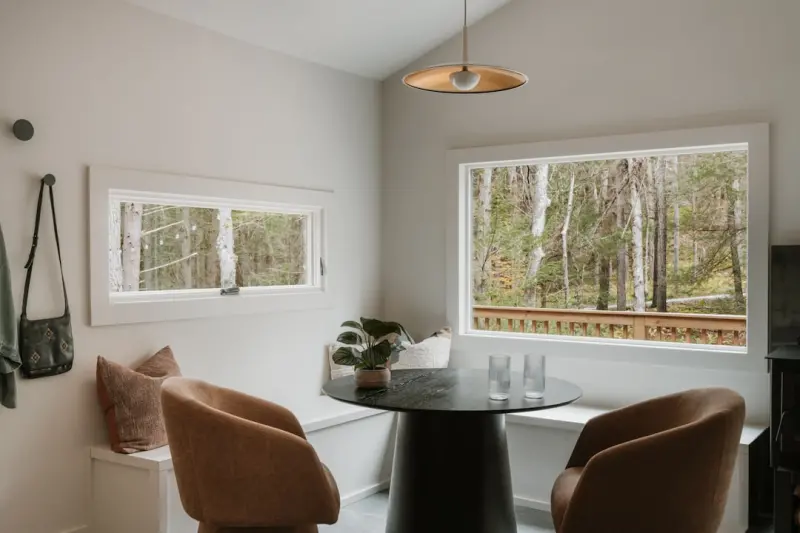
Why Edible Spaces Matter
There’s a quiet thrill that comes from plucking a fresh basil leaf right off the plant you’ve nurtured on your kitchen sill. That moment bridges the gap between food and home, turning a simple meal into a story of care, patience, and sustainability. In a world that’s constantly pulling us toward convenience, embedding edible plants into our living spaces is a subtle rebellion—one that rewards the senses, reduces waste, and deepens our connection to the seasons.
Beyond the obvious culinary benefits, edible landscaping reframes how we view our surroundings. A sunny balcony becomes a pantry, a sunny hallway transforms into a fragrant hallway, and a modest patio evolves into a miniature farm. The ripple effect reaches every corner of the home: improved indoor air quality, a reduction in grocery bills, and a daily reminder that we can influence the world, even from the comfort of our couch.
Starting Small: Windowsill Herb Gardens
If the thought of a full‑scale garden feels overwhelming, begin at eye level. A windowsill herb garden is the perfect low‑commitment entry point. Choose herbs that thrive in bright, indirect light—basil, thyme, mint, and chives are excellent candidates. Use recycled glass jars, repurposed tea tins, or even the invisible storage hacks you’ve already mastered to keep the look tidy.
- Pick the right containers. Ensure they have drainage holes; a layer of gravel at the bottom prevents soggy roots.
- Use a quality potting mix. Regular garden soil is too dense for containers. A light, well‑draining mix encourages healthy root development.
- Mind the light. South‑facing windows provide the most consistent illumination. If natural light is limited, a small LED grow light can fill the gap.
- Harvest often. Regular trimming encourages bushier growth and prevents the plant from flowering prematurely.
Once your herbs are thriving, you’ll notice a subtle shift in the kitchen atmosphere. The scent of rosemary or dill wafts through the air, turning meal prep into a multisensory experience. Plus, having fresh herbs on hand cuts down on grocery trips and reduces packaging waste.
Vertical Solutions for Tight Spaces
Urban dwellers often claim they lack the “yard” necessary for a garden. The truth is, vertical space is abundant—just look up. From sturdy wooden pallets to modular wall‑mounted planters, the options are endless. Here’s how to build a vertical garden that’s both functional and stylish:
- Choose a sturdy backing. A reclaimed wooden pallet, a metal grid, or a set of floating shelves can serve as the foundation. Ensure it’s anchored securely to the wall.
- Select lightweight, shallow containers. Pocket planters, fabric grow bags, or even repurposed shoe organizers work beautifully for herbs, lettuces, and small strawberries.
- Plan your irrigation. A simple drip system with a timer can keep plants hydrated without daily manual watering. For those who love a hands‑on approach, a watering can with a long spout works just as well.
- Mix texture and color. Combine leafy greens with trailing vines like pothos or sweet peas to add visual interest. The contrast creates a living mural that feels intentional rather than improvised.
Vertical gardens excel at maximizing yield per square foot. A 4‑foot wide wall can produce enough greens to supply a family of four with salads for weeks, all while serving as a living piece of art.
Companion Planting Inside
Companion planting isn’t just for outdoor plots; the principle works indoors, too. By pairing plants that benefit each other, you can improve flavor, deter pests, and enhance growth. For example, planting marigolds near tomatoes helps repel aphids, while basil next to peppers can boost pepper heat and flavor.
When planning an indoor companion garden, consider the following pairings:
- Tomatoes + Basil. The aromatic oils of basil can improve tomato taste and deter pests.
- Lettuce + Chives. Chives release sulfur compounds that keep leaf‑eating insects at bay.
- Strawberries + Nasturtium. Nasturtium attracts aphids away from strawberries and adds a pop of color.
These relationships also simplify maintenance. When one plant thrives, it often signals that its companion is doing well too, creating a self‑reinforcing ecosystem within four walls.
Seasonal Planning and the seasonal home reset checklist
Just as you’d rotate crops in a field, indoor edible spaces benefit from seasonal adjustments. A seasonal home reset ensures that your garden aligns with the changing light levels, temperature fluctuations, and your own culinary calendar.
- Spring Reset. Swap out winter greens for early‑season tomatoes, peas, and radishes. Increase watering frequency as temperatures rise.
- Summer Reset. Introduce heat‑tolerant herbs like oregano and sage. Consider shading devices for windows that receive intense afternoon sun.
- Fall Reset. Transition to cool‑season crops—kale, spinach, and cilantro. Reduce watering as daylight hours shorten.
- Winter Reset. Bring tender plants indoors, move containers to brighter locations, and use grow lights to supplement natural light.
Following a checklist keeps your edible garden productive year‑round and prevents the common pitfall of “planting and forgetting.” It also dovetails nicely with broader home‑maintenance routines, making your garden a seamless part of household stewardship.
Sustainable Practices: From Compost to Natural Pest Control
Embedding edibility into your home isn’t just about planting; it’s about cultivating a closed‑loop system that respects the environment. Start with a small kitchen compost bin—fruit scraps, coffee grounds, and eggshells become nutrient‑rich black gold for your pots.
For pest control, avoid chemical sprays. Instead, employ natural methods:
- Neem oil. Diluted neem oil deters a broad range of insects without harming beneficial insects.
- Beneficial insects. Ladybugs and lacewings can be introduced in larger indoor gardens to keep aphids in check.
- Companion plants. As mentioned earlier, certain herbs naturally repel pests. Planting mint near leafy greens is a low‑effort deterrent.
These practices not only safeguard your harvest but also reinforce a philosophy of stewardship—one that resonates with the broader sustainability conversations we see across the industry.
Integrating Edible Plants with Aesthetic Design
Edible doesn’t have to mean utilitarian. The most successful home gardens blend function with form, turning food‑producing plants into design statements. Here are a few strategies:
- Color Coordination. Choose varieties with foliage that complements your interior palette—purple basil, variegated lettuce, or golden oregano.
- Planter Styling. Use ceramic pots, woven baskets, or reclaimed wood boxes that echo the room’s décor. Consistency in texture creates cohesion.
- Layering. Position taller plants like dwarf tomato varieties behind shorter herbs for depth, mimicking a natural garden’s tiered look.
- Functional Art. Install a hanging herb garden that doubles as a decorative wall feature. The flowing vines become a living tapestry.
When your edible garden looks intentional, you’re more likely to nurture it regularly. It becomes a living piece of art you’re proud to showcase to guests.
Tech‑Assisted Growing: Smart Pots and Sensors
For those who love data as much as they love basil, smart gardening technology offers a bridge between tradition and innovation. Moisture sensors, automated drip irrigation, and Bluetooth‑enabled grow lights can be controlled via smartphone apps, delivering precise care even when life gets hectic.
Consider integrating a smart soil sensor that monitors pH, moisture, and temperature. The app will alert you when the soil is too dry or when the pH drifts out of the optimal range for your chosen plant. Over time, the data builds a profile that helps you fine‑tune your watering schedule, ensuring healthier growth and fewer guess‑work moments.
While technology can simplify maintenance, remember that it’s a tool—not a replacement for observation. The tactile experience of feeling soil texture and watching leaves unfurl remains irreplaceable.
Maintaining Momentum: Turning Harvest into Habit
It’s easy to start strong and then let the garden slip into neglect. To keep the momentum, weave harvesting into your daily rituals:
- Morning Routine. While brewing coffee, snip a few mint leaves for your tea.
- Meal Prep. Incorporate freshly cut herbs into sauces, salads, or marinades.
- Evening Reflection. Spend five minutes checking soil moisture and pruning any wilted leaves.
By anchoring garden tasks to existing habits, you create a feedback loop where the reward (fresh, flavorful produce) fuels the next action. Over months, the garden becomes an integral part of your home’s rhythm, not a peripheral hobby.
Beyond the Kitchen: Edible Landscaping for Every Room
While the kitchen is the natural hub for edible plants, other rooms offer unexpected opportunities:
- Living Room. A low‑light tolerant variety like Swiss chard adds a splash of color and can be harvested for its tender stems.
- Bathroom. Ferns and pothos thrive in humidity and can be paired with aromatic herbs that love moisture, like lemongrass.
- Home Office. A small desk planter with cilantro or arugula provides a refreshing scent and a quick snack during work breaks.
- Patio or Balcony. Install a tiered vertical system with strawberries, cherry tomatoes, and dwarf peppers for a compact, high‑yield oasis.
Every room offers a micro‑climate; the key is to match plants to those conditions. When done thoughtfully, your entire home becomes a cohesive, edible ecosystem.
Conclusion: Cultivating a Food‑Friendly Habitat
Turning your home into an edible haven isn’t a one‑size‑fits‑all project; it’s a personal journey that evolves with your space, lifestyle, and growing expertise. Start with a windowsill herb, experiment with vertical gardens, embrace seasonal resets, and sprinkle in a little tech when you feel adventurous. The rewards are tangible—fresh flavors, lower grocery costs, improved air quality—and intangible, like the sense of pride that comes from nurturing life within four walls.
So roll up your sleeves, dig into the soil, and let every corner of your home whisper the promise of a harvest waiting to happen.

Steph Sanderson is a Toronto-based freelance writer and content creator with a clear passion: crafting compelling articles. With a dedication to clear, engaging prose and a knack for storytelling, Steph brings a wealth of experience to every project.
Related Posts
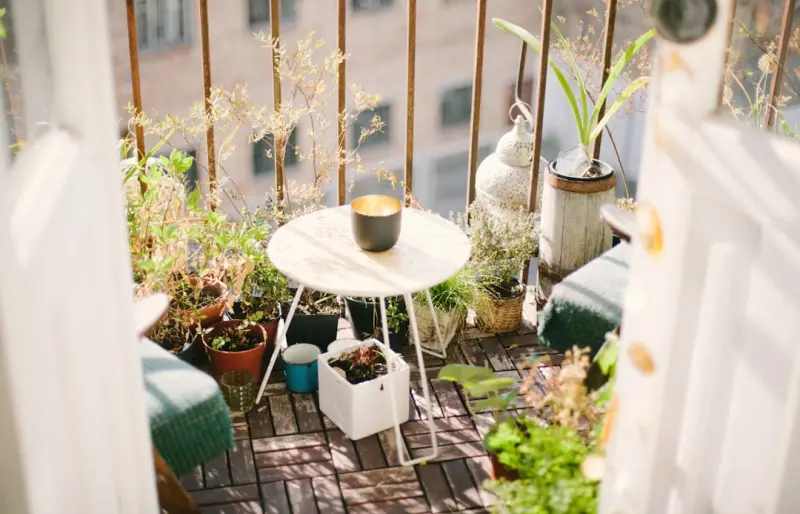
Buzz‑worthy Balconies: Turning Small Spaces into Pollinator Havens
Discover step‑by‑step strategies to create a pollinator‑friendly balcony garden, from assessin... Read More

The Rise of Garden Desks: Redefining Home Life and Work
Explore the garden desk revolution—how this outdoor workspace blends productivity, health benefits... Read More
Smart Garden Tech: How Automation Elevates Home & Garden Living
Explore the rise of smart garden technology, from essential sensors and controllers to hands‑on pr... Read More
Top Posts

When AI Joins the Whiteboard: Supercharging Brainstorms for Product Teams
Learn practical techniques to integrate AI into your brainstorming workflow, from prompt engineering to real‑time prototyping, and see how AI‑augmented sess...Read More

The Quiet Power of Ambient AI: Turning Everyday Workflows into Seamless Experiences
Ambient AI weaves intelligent assistance into the background of our work, offering timely, relevant support that frees mental bandwidth. This post explores its ...Read More

Your AI Curiosity Companion: Turning Everyday Questions into Insightful Experiments
Explore the AI Curiosity Companion, a tool that captures spontaneous questions, contextualizes them with personal data, and suggests concrete actions, turning e...Read More

24‑Hour City Sprint: Master a Day‑Long Urban Adventure
A guide to turning a single day in any city into a focused, immersive adventure using a lightweight pocket toolkit, flexible mapping, and mindful reflection for...Read More
0 Comments
Post Comment
You will need to Login or Register to comment on this post!