
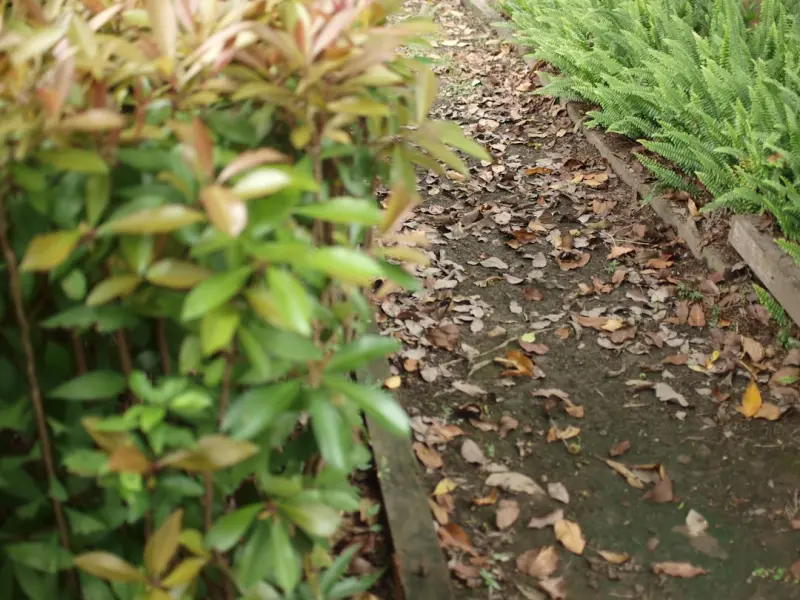
Imagine stepping out onto a sun‑kissed patio where the very ground beneath your feet offers both beauty and nourishment, a place where the line between ornamental and edible blurs into a seamless, low‑maintenance tapestry that feeds your family year after year; this is the promise of an edible landscape, a design philosophy that replaces high‑maintenance lawns with thriving perennials, dwarf fruit trees, and nutrient‑rich groundcovers that require minimal watering, pruning, or fertilizing, yet provide a bounty of fresh produce and vibrant texture. By selecting plant species that are adapted to your local climate, soil, and micro‑climates, you create a resilient ecosystem that self‑regulates, attracting pollinators, enriching soil life, and reducing the need for chemical inputs, while the strategic placement of pathways and seating areas invites you to linger and harvest with ease. The key is to think like a chef and a horticulturist at once, choosing flavors and colors that complement each other, and designing layers of growth that mimic natural forests, allowing sunlight, water, and nutrients to be shared efficiently among all the members of your garden community.
Choosing the Right Foundations: Soil, Sun, and Structure
Begin your edible landscape journey by conducting a simple site analysis, noting the hours of direct sunlight each area receives, the natural drainage patterns, and the existing soil texture, because these factors dictate which plants will thrive with the least amount of intervention, and a well‑planned foundation can transform a patch of stubborn clay into a fertile bed of carrots, kale, and creeping thyme without constant amendment. Amend the soil organically using compost, leaf mold, and a thin layer of mulch to improve moisture retention and suppress weeds, then sculpt gentle, curving beds that follow the natural contours of your yard, allowing water to flow slowly and evenly across the surface, which not only reduces erosion but also creates micro‑habitats for beneficial insects. To keep maintenance low, integrate rainwater harvesting systems that channel roof runoff into underground cisterns or rain barrels, providing a free, sustainable water source that can be delivered by drip irrigation directly to the root zones where it is needed most.
Perennial Power: Plants That Return Year After Year
Choosing perennial vegetables and fruits is the cornerstone of a low‑maintenance edible garden, because once established, these plants require only periodic pruning and occasional division, freeing you from the endless cycle of sowing, transplanting, and replanting that annuals demand, while still delivering a reliable harvest of greens, beans, and berries that can be woven into everyday meals. Consider hardy staples such as perennial kale, which produces tender leaves throughout the cooler months, chives that send up fragrant shoots year after year, and berry-producing shrubs like hardy gooseberries or dwarf blueberries that thrive in partial shade, creating a layered canopy of flavor and visual interest; the deep root systems of these perennials also improve soil structure and help sequester carbon, contributing to a healthier garden ecosystem. Pair these with low‑maintenance fruit trees such as dwarf apple or pear varieties, trained in espalier or open‑center forms, which not only maximize space but also produce a seasonal bounty that can be preserved, baked, or enjoyed fresh, reinforcing the garden’s role as a source of both nutrition and delight.
Groundcovers That Do the Work for You
Replacing traditional grass with productive groundcovers is a game‑changer for anyone seeking to reduce mowing, watering, and fertilizing while still enjoying a lush, green carpet that suppresses weeds and retains moisture; varieties like strawberry, couch grass, and low‑growing herbs such as thyme and oregano spread quickly, creating a living mulch that shades the soil, reduces evaporation, and offers edible harvests with each step you take. These low‑lying plants form a self‑sustaining mat that can be walked upon, especially when interplanted with stepping stones or a gravel pathway, allowing you to move through the garden without damaging delicate roots, and their aromatic foliage adds a sensory dimension that makes even routine tasks like weeding a pleasure. By selecting groundcovers that are both decorative and functional, you achieve the dual goals of aesthetic appeal and food production, turning every square foot of your yard into a purposeful, productive space.
Integrating Structure: Edible Borders and Living Fences
Living borders composed of edible shrubs and tall herbs not only define garden zones but also serve as natural windbreaks, privacy screens, and habitats for beneficial wildlife, turning otherwise sterile boundaries into dynamic, productive assets that require minimal pruning once established; think of planting rows of rosemary, lavender, and ornamental kale along property lines, which release fragrant oils that deter pests while providing culinary ingredients at a moment’s notice. These structural plantings can be interspersed with berry-producing vines like currants or raspberries that climb trellises or support structures, creating vertical layers of harvest that maximize space and visual interest, especially in smaller yards where every inch counts. By designing these living fences, you reduce the need for artificial materials, lower maintenance costs, and cultivate a garden that feels alive, ever‑changing, and deeply connected to the rhythms of the seasons.
Water‑Wise Design: Irrigation and Conservation
A low‑maintenance edible landscape thrives when water is delivered efficiently, so incorporate drip‑line irrigation that supplies moisture directly to the root zones, dramatically cutting evaporation losses and allowing you to set automated timers that water during the coolest parts of the day, reducing the labor required to keep plants healthy; pairing this system with moisture‑sensing soil probes can further fine‑tune delivery, ensuring each plant receives just enough water to flourish without waste. Mulching heavily around plant bases not only conserves moisture but also moderates soil temperature, suppresses weed growth, and adds organic matter as it decomposes, creating a virtuous cycle of soil health that lessens the need for supplemental fertilization. When you combine these strategies with the earlier mentioned scented garden pathways—which can double as raised beds for herbs and shallow‑rooted veggies—you create a cohesive, water‑smart environment that requires only occasional checks, freeing you to enjoy the garden rather than constantly tend to it.
Seasonal Planning: Extending the Harvest Calendar
To keep your edible landscape productive throughout the year, select a succession of crops and perennials that mature at different times, creating a continuous flow of harvests that span from early spring shoots of asparagus and radish to late‑summer berries and autumnal root vegetables like parsnips and rutabagas, ensuring that the garden never goes dormant and your kitchen always has fresh, seasonal ingredients at hand; interplanting fast‑growing annuals among slower perennials can fill gaps in the calendar while also providing ground cover that deters weeds. Additionally, incorporate cold‑hardy herbs such as sage and mint, which remain flavorful even after frosts, and consider installing a simple cold frame or hoop house to protect tender greens during unexpected cold snaps, extending the usable season without significant extra effort. By thoughtfully sequencing plantings and providing modest protection, you transform your garden into a reliable, year‑round pantry that requires only occasional pruning and harvesting, rather than intensive replanting.
Harvesting with Minimal Effort: Tools and Techniques
Design your garden layout with ergonomics in mind, placing frequently harvested crops like lettuce, herbs, and salad greens within easy reach of your kitchen door, and arranging taller, less‑touched plants toward the back or center, so you spend less time bending, stretching, or navigating dense foliage, which naturally reduces the physical workload and encourages more frequent picking; a simple raised‑bed system with wide aisles can further enhance accessibility, especially for those with limited mobility. Invest in a few multipurpose tools—such as a garden scissor set, a lightweight hand fork, and a sturdy garden tote—to streamline the harvesting process, allowing you to collect produce quickly and transport it directly to the kitchen for immediate use or storage. By integrating thoughtful design and the right tools, the act of harvesting becomes a joyful, low‑stress routine that reinforces the garden’s role as a seamless extension of daily life.
Celebrating the Edible Landscape: Community and Sharing
Finally, view your edible garden not just as a private food source but as a communal asset that can foster connections with neighbors, friends, and local food enthusiasts, inviting them to share in the harvest, exchange seeds, or participate in seasonal workshops that celebrate planting, preserving, and cooking; this social dimension adds value beyond the nutritional, turning your yard into a hub of learning and fellowship that amplifies the garden’s impact. Offer small gift baskets of freshly picked herbs, jars of homemade jam, or bundles of dried fruit to neighbors, creating goodwill and encouraging others to explore low‑maintenance gardening practices in their own spaces. By positioning your edible landscape as a living, giving entity, you reinforce the philosophy that a well‑designed garden sustains both body and community, making the modest effort you invest reap rewards that ripple far beyond your own kitchen.

When it comes to the world of blogging and writing, Rose DesRochers is a name that stands out. Her passion for creating quality content and connecting with her audience has made her a trusted voice in the industry. Aside from her skills as a writer and blogger, Rose is also known for her compassionate nature.
Related Posts

Why Garden Desks Are the Secret Weapon for a Thriving Home & Garden Life
A garden desk can turn a cramped home office into a vibrant, productive oasis, blending nature with ... Read More
Why My Backyard Garden Desk Became My Home’s Productivity Hub
Transform your home life with a garden desk: boost productivity, improve health, and create a vibran... Read More
Crafting an Outdoor Creative Studio: Your Garden as a Hobby Hub
Turn your backyard into a vibrant creative studio where painting, woodworking, and quiet contemplati... Read More
Top Posts

Unlock Hidden Home Real Estate: Transform Forgotten Nooks into Functional Showstoppers
Learn how to identify underutilized corners in your home and transform them into purposeful, multisensory spaces with smart storage, plants, and personalized to...Read More

Unlocking the Healing Power of Ambient Sound for Modern Professionals
Ambient sound isn’t just background noise; it’s a science‑backed tool that can lower stress hormones, improve focus, and support overall health. Learn how...Read More

When AI Becomes Your Personal Decision Coach
A decision‑coach AI pairs data aggregation, predictive modeling, and human feedback to turn overload into opportunity, offering transparent, ethical support f...Read More
Garden Desk Revolution: Jimmy Damon’s Guide to the Hottest Home & Garden Trend
Jimmy Damon shares his personal journey creating a garden desk, offering design tips, productivity boosts, and a vision for the future of green workspaces....Read More
0 Comments
Post Comment
You will need to Login or Register to comment on this post!